The Hidden Salt Villages of Northern Thailand (🇺🇸/🇹🇭)
The Hidden Salt Villages of Northern Thailand
Bo Kluea and the Mountain Communities Preserving an Ancient Tradition
Deep in the mountains of Nan and Phayao, far away from the typical tourist paths, lie a handful of villages where salt is produced using a method almost unchanged for centuries. These quiet communities rely on natural underground salt wells, a geological rarity in Thailand, and transform the mineral-rich water into high-quality salt through a slow and delicate process. Although the practice is little-known even among Thai travelers, it remains one of the most fascinating cultural traditions of the northern highlands.
The Origin of Mountain Salt in Nan and Phayao
Most people think of salt as a product of the sea, but the Northern region has its own source beneath the earth. Millions of years ago, ancient seabeds shifted and became trapped deep below the mountains. Over time, groundwater absorbed the minerals and created natural saline deposits.
In the present day, certain villages in Nan and Phayao have wells that tap into these underground salt layers. The water that comes up is naturally salty, and it forms the foundation of the local salt-making tradition. The best-known village is Bo Kluea in Nan, whose name literally means salt well.
Bo Kluea: The Centre of Northern Salt Culture
Bo Kluea is located in a peaceful valley surrounded by green mountains. The village is small, quiet, and feels almost frozen in time. Unlike busier tourist towns, Bo Kluea’s charm lies in its simplicity and its deep connection to traditional life.
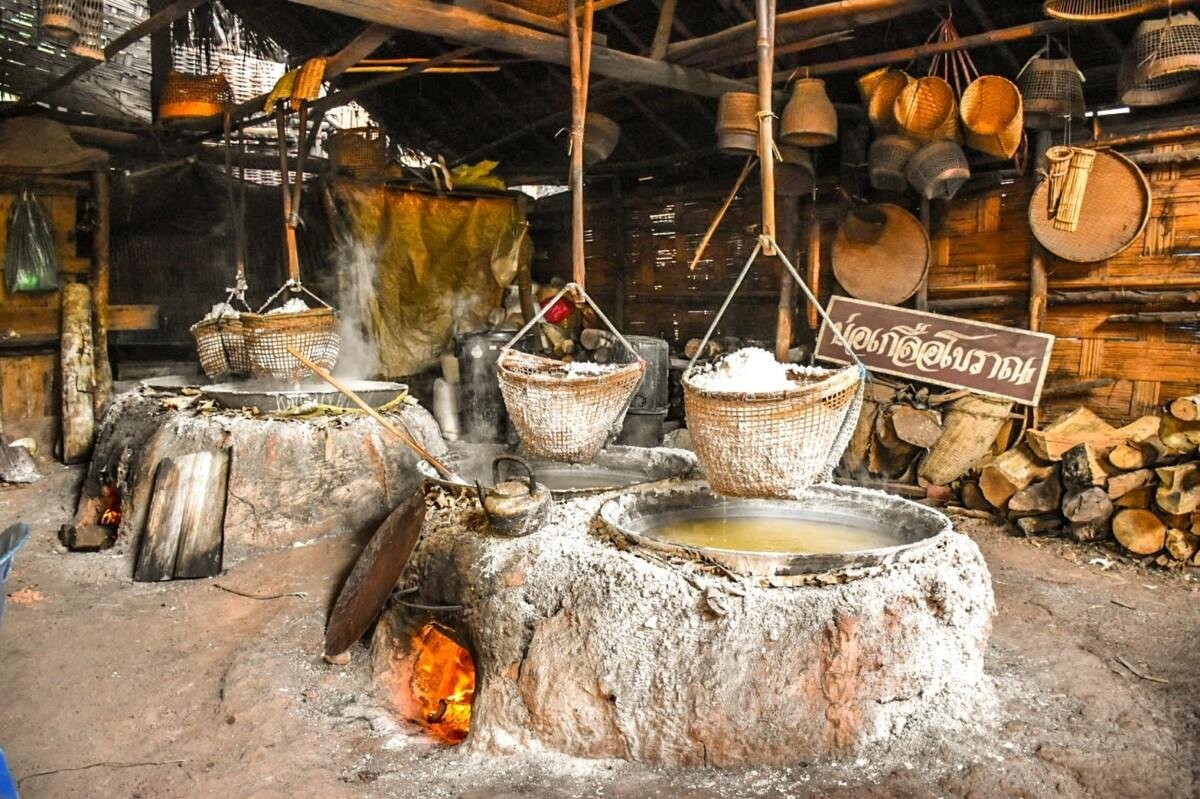
At the heart of the community are the salt barns, where large iron pans sit above wood-fired stoves. The saltwater is drawn from the natural wells each morning and poured into the pans, where it is slowly boiled to evaporate the water. This process can take many hours, depending on the weather and the mineral concentration.
As the water reduces, the salt begins to crystallize. Local workers then collect the crystals using wooden tools and place them into woven bamboo baskets, where the remaining moisture drips away. The salt is left to dry naturally before being packed for sale.
The Atmosphere of the Salt Barns
One of the most distinctive features of these salt barns is the warm, smoky environment created by the firewood. The air carries the scent of burning wood mixed with steam from the pans. Each barn typically has two to four boiling stations, allowing multiple families to work throughout the day.
The structure of the barns is also unique. They are built from wood, with high roofs designed to release steam. The ground is dark from years of evaporated mineral water, giving the space a natural, rustic feel.
Salt-Making Beyond Nan: Remote Wells in Phayao
Although Bo Kluea is the most accessible salt village, Phayao province also has a few hidden communities that produce salt in small quantities. These villages are less organized for visitors and often continue the practice only for household use or local sales.
Their salt-making methods are similar, though smaller in scale. The saltwater is boiled in medium-sized pans, occasionally over charcoal instead of firewood. These communities are even lesser-known, making them some of the most traditional and untouched salt-producing sites in Thailand.
Cultural Importance of the Tradition
The salt wells are not only a source of income but also part of the local identity. Families have passed down the knowledge of salt making for generations. Even as younger people leave for work in larger towns, the older villagers continue to preserve the craft.
In many households, salt making is tied to community values such as cooperation, patience, and respect for natural resources. The process requires teamwork, from gathering firewood to drawing water and boiling it throughout the day.
What Makes Northern Mountain Salt Special
Salt from the northern wells has a noticeably clean, natural flavor. Because the crystals are formed through slow evaporation without chemicals, the salt retains trace minerals that enhance its taste. Many visitors purchase it for cooking or as a local souvenir.
Some households also create specialty salts, such as fine-grain salt for seasoning, coarse salt for grilling, and naturally sun-dried salt for traditional recipes.
Traveling to Bo Kluea and Similar Villages
Bo Kluea can be reached by road from Nan city, with the journey offering scenic mountain views and rolling hills. The roads are well-maintained, and the trip typically takes two to three hours depending on the route.
The village has small cafes, homestays, and viewpoints that allow visitors to explore the surrounding natural scenery. The salt barns are open to visitors, and observing the salt-making process is free. Some families sell handmade salt products directly at their homes.
The salt villages in Phayao are more remote and require deeper exploration, often with the help of local guides or information from nearby districts.
A Glimpse into an Ancient Northern Heritage
The hidden salt villages of Nan and Phayao represent a heritage that has quietly survived for centuries. Their traditions are not widely advertised, and many travelers pass through northern Thailand without ever hearing about them. Yet these villages offer a rare window into a slower, more grounded lifestyle that is deeply connected to the land.
Visiting these communities provides more than a look at salt production. It allows travelers to experience a unique blend of history, culture, and geography that reveals a completely different side of Thailand, far away from beaches and big cities.
หมู่บ้านทำเกลือบนภูเขาแห่งภาคเหนือ
วิถีเกลือโบราณของบ่อเกลือและชุมชนเล็กๆในน่านและพะเยา
ท่ามกลางขุนเขาเงียบสงบของจังหวัดน่านและพะเยา มีหมู่บ้านเล็กๆไม่กี่แห่งที่ยังคงสืบทอดการทำเกลือจากบ่อน้ำเกลือใต้ดิน ซึ่งเป็นวิถีชีวิตที่มีมานานหลายร้อยปี แม้จะไม่ค่อยเป็นที่รู้จักในหมู่นักท่องเที่ยว แต่ชุมชนเหล่านี้ยังคงรักษาวิธีการทำเกลือแบบดั้งเดิมไว้อย่างงดงาม
ต้นกำเนิดของบ่อน้ำเกลือบนภูเขา
หลายคนอาจคิดว่าเกลือต้องมาจากทะเลเท่านั้น แต่ในภาคเหนือกลับมีชั้นตะกอนแร่เกลือโบราณอยู่ใต้ภูเขา เกิดจากการเปลี่ยนแปลงของแผ่นดินในอดีต ทำให้น้ำใต้ดินในบางพื้นที่มีความเค็มตามธรรมชาติ ชาวบ้านจึงเจาะบ่อเพื่อนำน้ำเกลือขึ้นมาใช้ และต่อมาได้พัฒนาวิธีการต้มเกลือเพื่อผลิตเกลือบริสุทธิ์
หนึ่งในพื้นที่ที่มีชื่อเสียงที่สุดคืออำเภอบ่อเกลือ จังหวัดน่าน ซึ่งชื่อของอำเภอสะท้อนถึงแหล่งน้ำเกลือใต้ดินที่นี่อย่างชัดเจน
บ่อเกลือ แหล่งทำเกลือดั้งเดิมท่ามกลางขุนเขา
บ่อเกลือเป็นหมู่บ้านที่เงียบสงบ อยู่ในหุบเขาที่รายล้อมด้วยภูเขาเขียวชอุ่ม จุดเด่นของหมู่บ้านคือโรงต้มเกลือซึ่งเป็นศูนย์กลางของวิถีชีวิตชุมชน ภายในโรงต้มจะมีหม้อต้มใบใหญ่ตั้งอยู่บนเตาฟืน ชาวบ้านจะสูบน้ำเกลือจากบ่อใต้ดินและนำมาต้มให้เดือด เพื่อให้น้ำระเหยและตกผลึกเป็นเกลือ
ขั้นตอนในการทำเกลือใช้เวลาเกือบทั้งวัน เมื่อเกลือเริ่มจับตัวเป็นผลึก ชาวบ้านจะใช้ไม้ค่อยๆตักขึ้นมาใส่ตะกร้าสานเพื่อนำไปพักให้สะเด็ดน้ำ จากนั้นจึงปล่อยให้แห้งตามธรรมชาติ ก่อนจะบรรจุใส่ถุงขายให้ผู้มาเยือน
โรงต้มเกลือและบรรยากาศดั้งเดิม
โรงต้มเกลือของที่นี่สร้างจากไม้หลังคาสูง เพื่อให้ไอน้ำระบายขึ้นไปได้ดี ภายในเต็มไปด้วยไอของน้ำเกลือที่กำลังเดือดและกลิ่นหอมของฟืนไฟบนเตา พื้นดินมีสีเข้มจากการระเหยของแร่เกลือ เป็นภาพที่สะท้อนถึงการทำงานที่ต่อเนื่องและยาวนานของชุมชน
แต่ละโรงจะมีจุดต้มเกลือหลายเตา ทำให้หลายครอบครัวสามารถทำงานพร้อมกันได้ตลอดวัน เป็นพื้นที่ที่เต็มไปด้วยความร่วมมือและภูมิปัญญาท้องถิ่น
บ่อน้ำเกลือขนาดเล็กในจังหวัดพะเยา
แม้บ่อเกลือจะเป็นแหล่งที่รู้จักมากที่สุด แต่ในจังหวัดพะเยาก็ยังมีหมู่บ้านเล็กๆที่ทำเกลือจากบ่อน้ำเกลือใต้ดินเช่นกัน ส่วนใหญ่ยังคงผลิตในปริมาณน้อยเพื่อใช้ในครัวเรือนหรือขายในตลาดชุมชน วิธีการคล้ายกันคือการต้มน้ำเกลือจนแห้งและเก็บผลึกเกลือที่ได้ไว้ใช้งาน
หมู่บ้านเหล่านี้มีความเป็นธรรมชาติสูง ไม่มีโครงสร้างรองรับนักท่องเที่ยวมากนัก ทำให้สะท้อนวิถีชีวิตแบบดั้งเดิมได้อย่างเต็มที่
ความสำคัญทางวัฒนธรรม
การทำเกลือเป็นหนึ่งในภูมิปัญญาที่สืบทอดจากรุ่นสู่รุ่น เกลือจากแหล่งภูเขาเหล่านี้ถือเป็นสินค้ามีค่าของชุมชน ทั้งใช้บริโภคและใช้เป็นสินค้าทางเศรษฐกิจ แม้คนรุ่นใหม่บางส่วนจะย้ายไปทำงานในเมือง แต่ยังมีครอบครัวที่คงวิถีดั้งเดิมและรักษามรดกนี้ไว้ไม่ให้สูญหาย
จุดเด่นของเกลือภูเขา
เกลือจากบ่อน้ำเกลือธรรมชาติมีรสชาติกลมกล่อม ไม่มีสารเคมีเจือปน เนื่องจากผลิตด้วยวิธีธรรมชาติอย่างแท้จริง เก็บรักษารสแร่ธาตุจากใต้ดินไว้ได้อย่างดี ทำให้กลายเป็นของฝากยอดนิยมของนักเดินทางที่แวะมาเยี่ยมชม
การเดินทางมาเยือนบ่อเกลือและพื้นที่ใกล้เคียง
จากตัวเมืองน่านสามารถขับรถมายังอำเภอบ่อเกลือได้ภายในสองถึงสามชั่วโมง เส้นทางเต็มไปด้วยวิวภูเขาที่สวยงามตลอดทาง ภายในหมู่บ้านยังมีคาเฟ่เล็กๆ โฮมสเตย์ และจุดชมวิวที่นักท่องเที่ยวสามารถพักผ่อนและใช้เวลาเรียนรู้วิถีชีวิตของชาวบ้านได้อย่างใกล้ชิด
ส่วนหมู่บ้านในพะเยาจะค่อนข้างห่างไกล ต้องอาศัยการค้นหาหรือสอบถามจากชุมชนใกล้เคียงจึงจะเข้าถึงได้ แต่ก็ยังคงมีเสน่ห์ของความเงียบและธรรมชาติบริสุทธิ์
มรดกที่ยังคงอยู่ในขุนเขา
หมู่บ้านเกลือแห่งภาคเหนือเป็นหนึ่งในวิถีชีวิตที่ยังคงเคลื่อนไปอย่างช้าๆโดยไม่ถูกกระแสสมัยใหม่กลืนหาย เป็นการผสมผสานระหว่างประวัติศาสตร์ ภูมิศาสตร์ และวัฒนธรรมของผู้คนบนภูเขาที่หาไม่ได้จากที่อื่น
การมาเยือนพื้นที่เหล่านี้จึงไม่ใช่แค่การชมกรรมวิธีการทำเกลือ แต่เป็นการสัมผัสรากเหง้าของวิถีชีวิตดั้งเดิมของชาวล้านนา ที่ค่อยๆเปิดเผยตัวให้เห็นทีละน้อยสำหรับผู้ที่เดินทางมาถึงด้วยความตั้งใจและความสนใจจริง
#BoKluea #SaltVillageThailand #NanThailand #PhayaoThailand #NorthernThailand #HiddenThailand #ThailandCulture #TraditionalSaltMaking #MountainSalt #ThailandTravel #ExploreThailand #LocalHeritage #ThailandHiddenGems

Categories
- Art
- Business & Work
- Cost of Living
- Crafts
- Culture & Traditions
- Digital Life
- Expat Life
- Farmer Life
- Festivals & Events
- Finance & Banking
- Food & Drink
- Health & Wellness
- Hidden Gems
- History & Heritage
- Language
- Literature
- Nature & Adventure
- Networking
- Nightlife & Entertainment
- Real Estate
- Religion
- School & Education
- Shopping & Markets
- Social Life
- Sports
- Theater & Shows
- Transport
- Travel
- Visas & Immigration
- Other
Read More
The Old Tattoo Masters Who Practice Non Commercial Sak Yant Sacred Traditions Tourists Rarely Witness Thailand is famous worldwide for sak yant tattoos. Images of celebrities getting intricate designs from monks or ajarns appear everywhere online. Tourists travel to temples hoping to receive a spiritual blessing tattoo. Studios in Bangkok and Chiang Mai offer sak yant in hygienic and modern...

Bangkok, the vibrant capital of Thailand, is a city that never sleeps. When the sun sets, the bustling metropolis transforms into a playground of lights, sounds, and unparalleled energy. In this blog post, we will delve into the kaleidoscopic world of Bangkok's nightlife, exploring the diverse range of experiences that make it a global hotspot for nocturnal adventures. The Neon-Lit Skyline:...
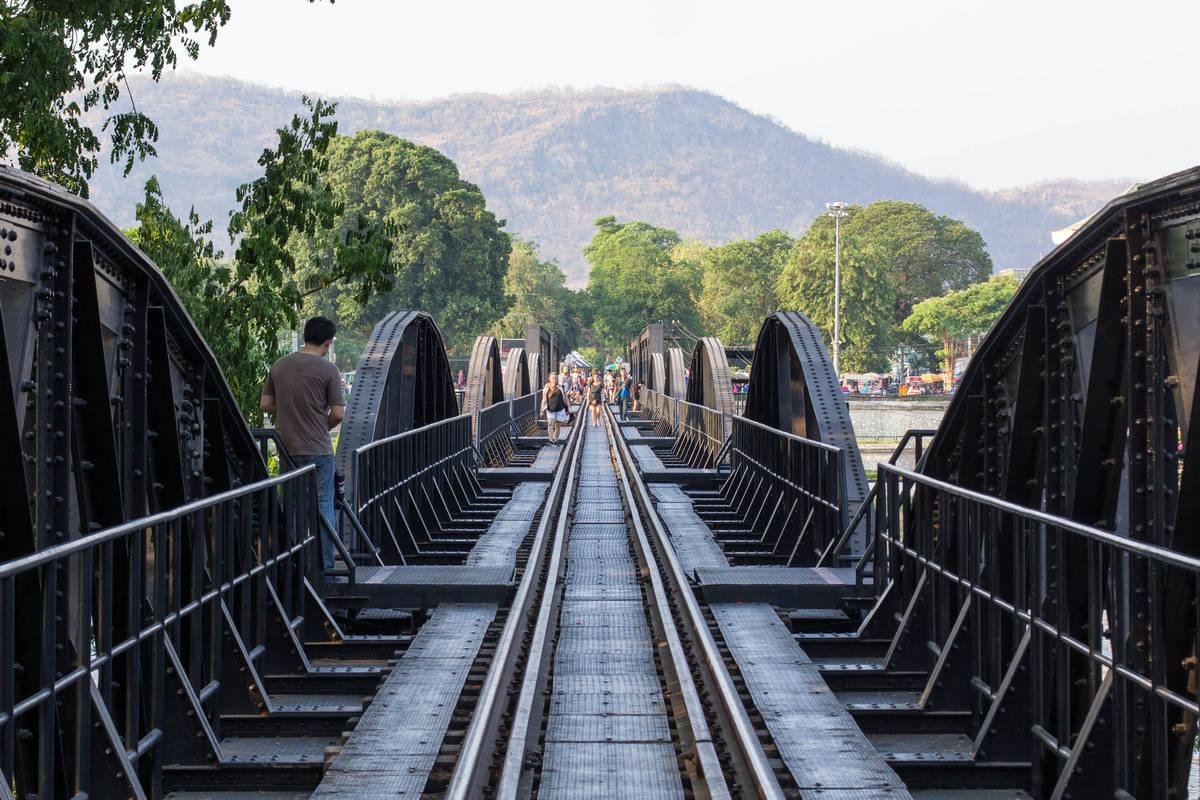
Kanchanaburi - Nestled about 120 km west of Bangkok, Kanchanaburi is a province that quietly surprises. Here, jungle-covered hills meet tragic wartime history, and sleepy river towns echo with stories of resilience. Whether you're drawn to the past, lush nature, or a serene getaway, Kanchanaburi offers something real — less polished than Thailand’s southern beaches but far...
Ayutthaya, Nestled along the banks of the Chao Phraya River, Ayutthaya stands as a testament to Thailand's rich cultural and historical legacy. The ancient city, once the capital of the Kingdom of Ayutthaya, was a flourishing center of trade, culture, and power for over four centuries. In this blog post, we will embark on a journey through time to unravel the captivating history of...
Thailand. Amidst the vast tapestry of Thailand's rural landscapes, where emerald green rice paddies stretch to the horizon and the scent of earth fills the air, lies the beating heart of the nation—the hardworking Thai farmers. In this blog, we delve into the intricate world of their daily lives, exploring the dedication, traditions, and challenges that define the noble profession of Thai...