Uttaradit: A Northern Thai Province Where History, Rivers, and Everyday Life Still Flow Together (🇺🇸/🇹🇭)
Uttaradit: A Northern Thai Province Where History, Rivers, and Everyday Life Still Flow Together
Uttaradit is a province that rarely appears on travel wish lists, yet it quietly preserves something increasingly rare in Thailand: continuity. Located in the lower northern region of the country, bordering Phrae, Nan, Phitsanulok, and Laos to the east, Uttaradit is not shaped by tourism demand or external expectations. It is shaped by rivers, forests, agriculture, and the steady rhythm of people who have lived and worked here for generations.
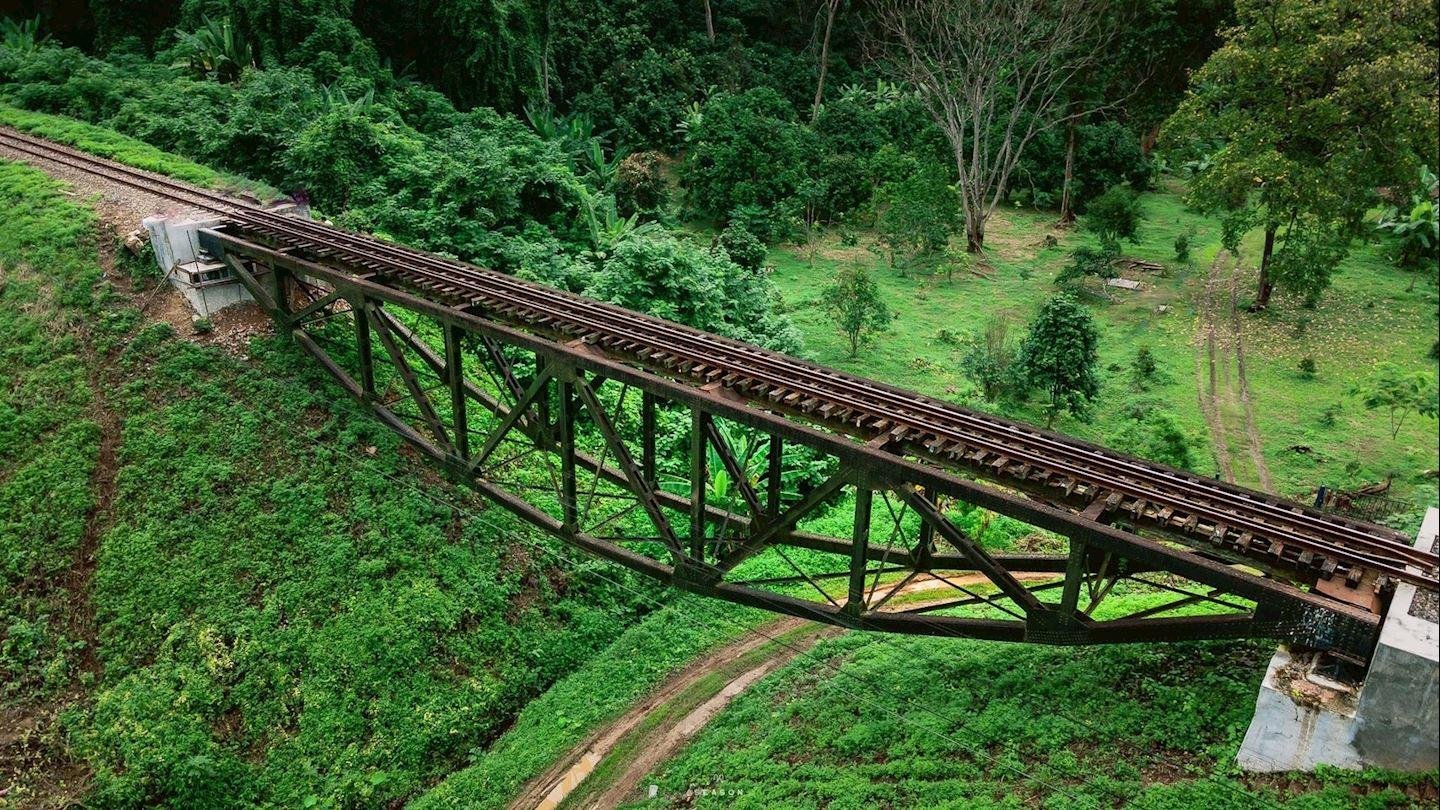
This is not a province that introduces itself through landmarks. Uttaradit reveals itself slowly, through atmosphere, routine, and stories embedded in everyday places. It is a destination for those who are curious about how Thailand functions away from famous cities and tourist corridors, and for those who value authenticity over convenience.
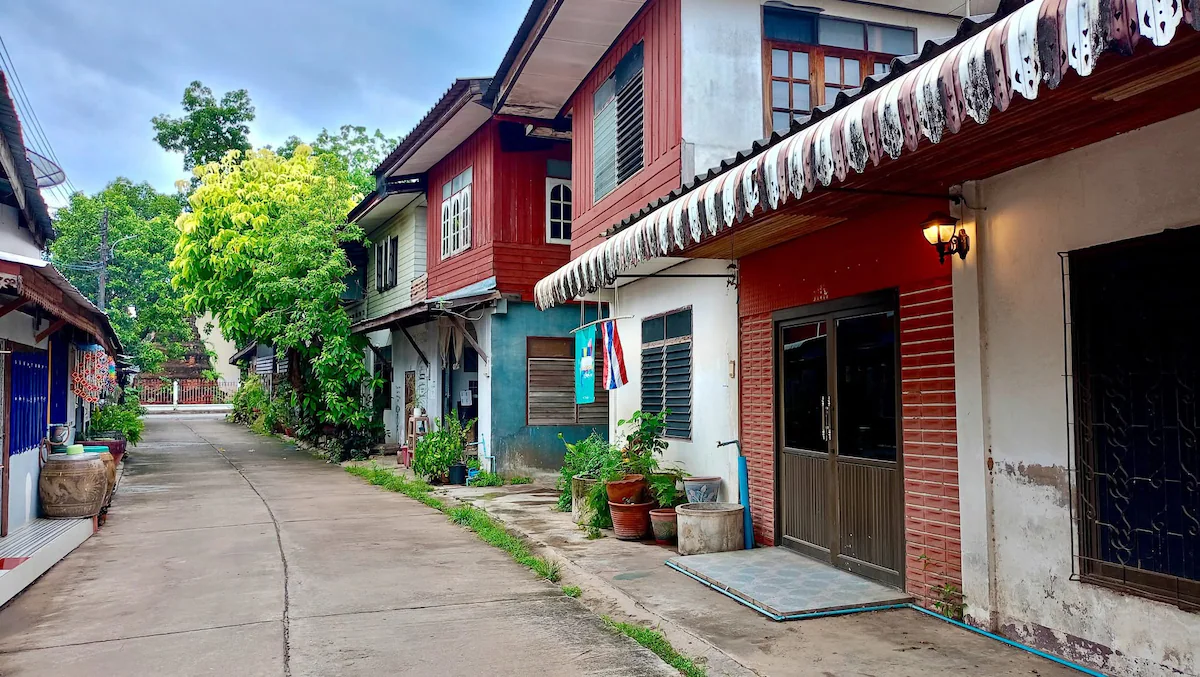
Uttaradit town, the provincial capital, is modest and practical. It does not try to impress with architecture or nightlife. Instead, it serves as a regional center for administration, education, and trade. The Nan River runs nearby, influencing both the geography and the lifestyle of the area. Mornings begin early, with markets opening before sunrise, monks walking for alms, and food stalls preparing simple northern dishes for workers and students starting their day.
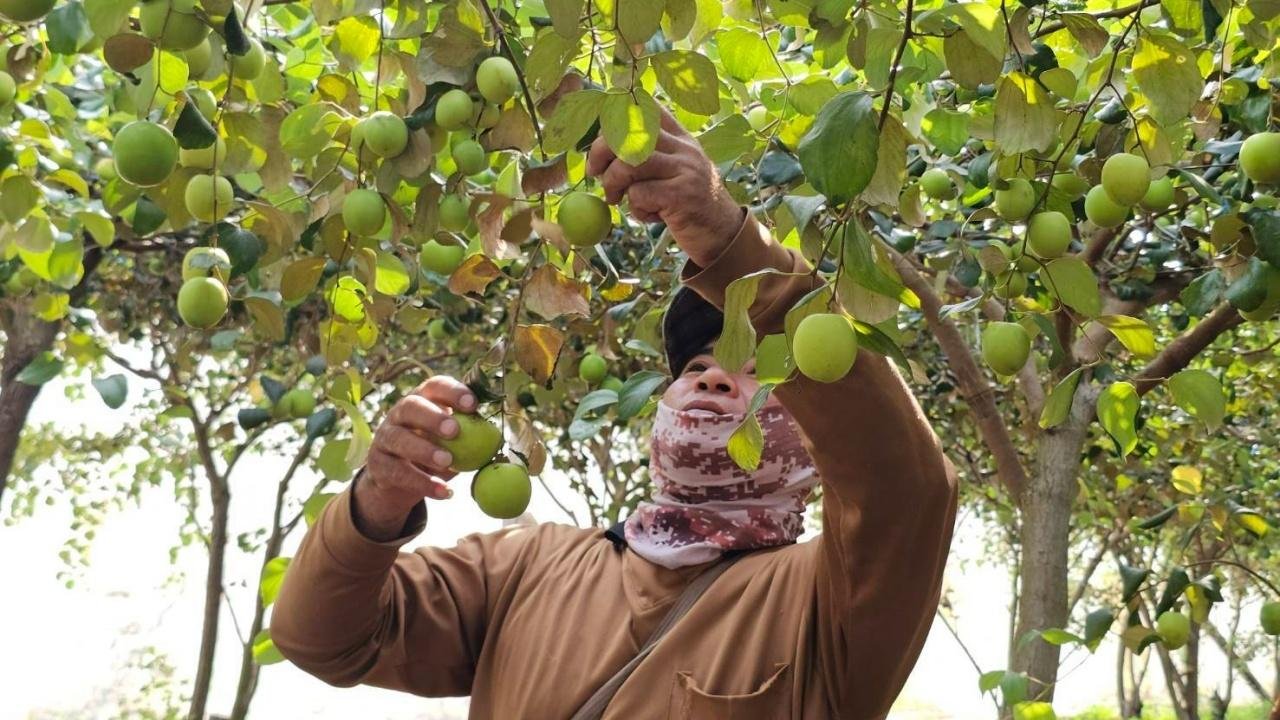
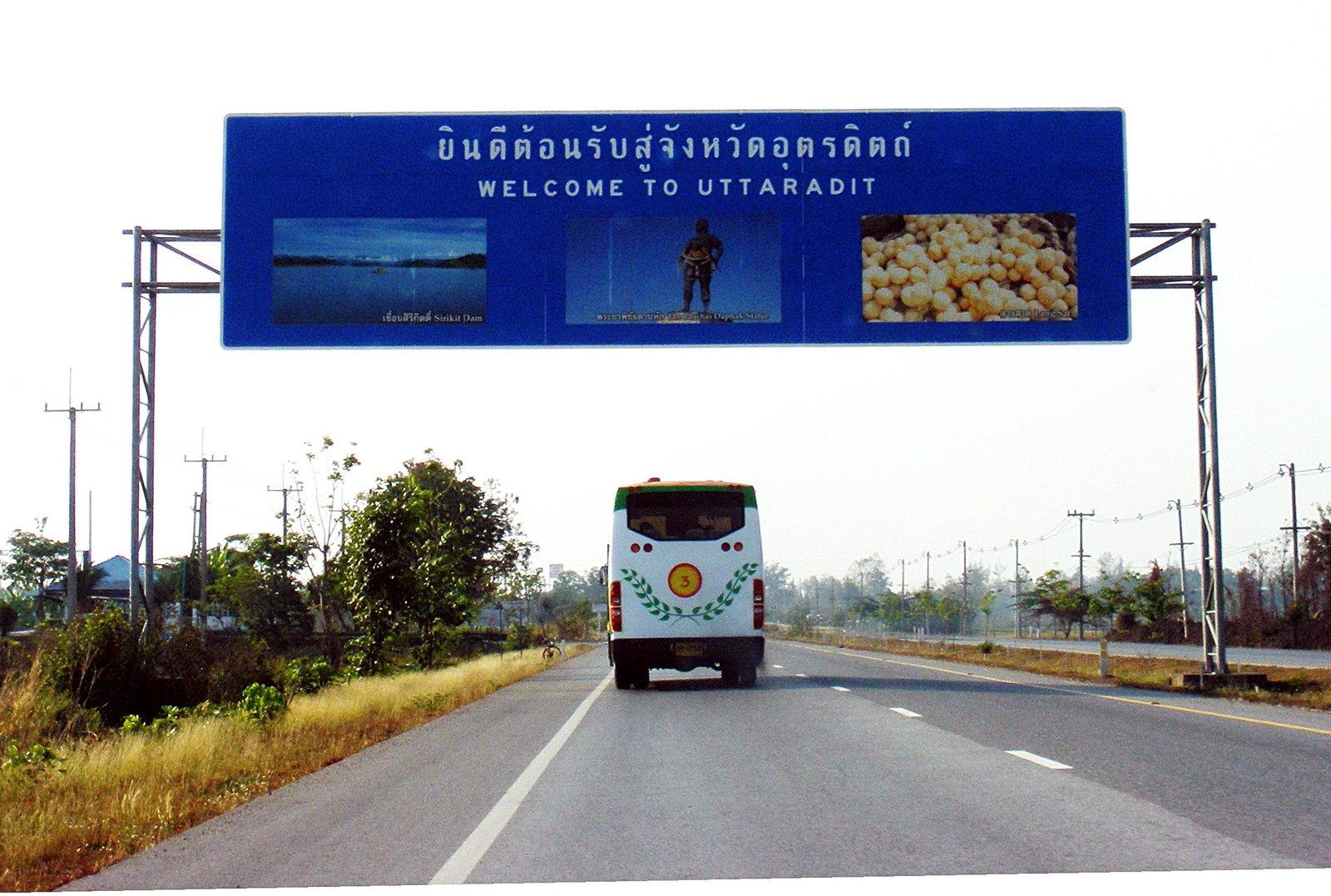
Life in Uttaradit is closely connected to agriculture. Rice fields dominate the flat areas, while fruit orchards and forested hills surround the province. Uttaradit is especially known for its durian, particularly the local varieties that are prized inside Thailand but rarely exported or marketed internationally. During harvest seasons, the province feels alive with movement, trucks transporting produce, roadside stalls selling fresh fruit, and families working together in the fields.
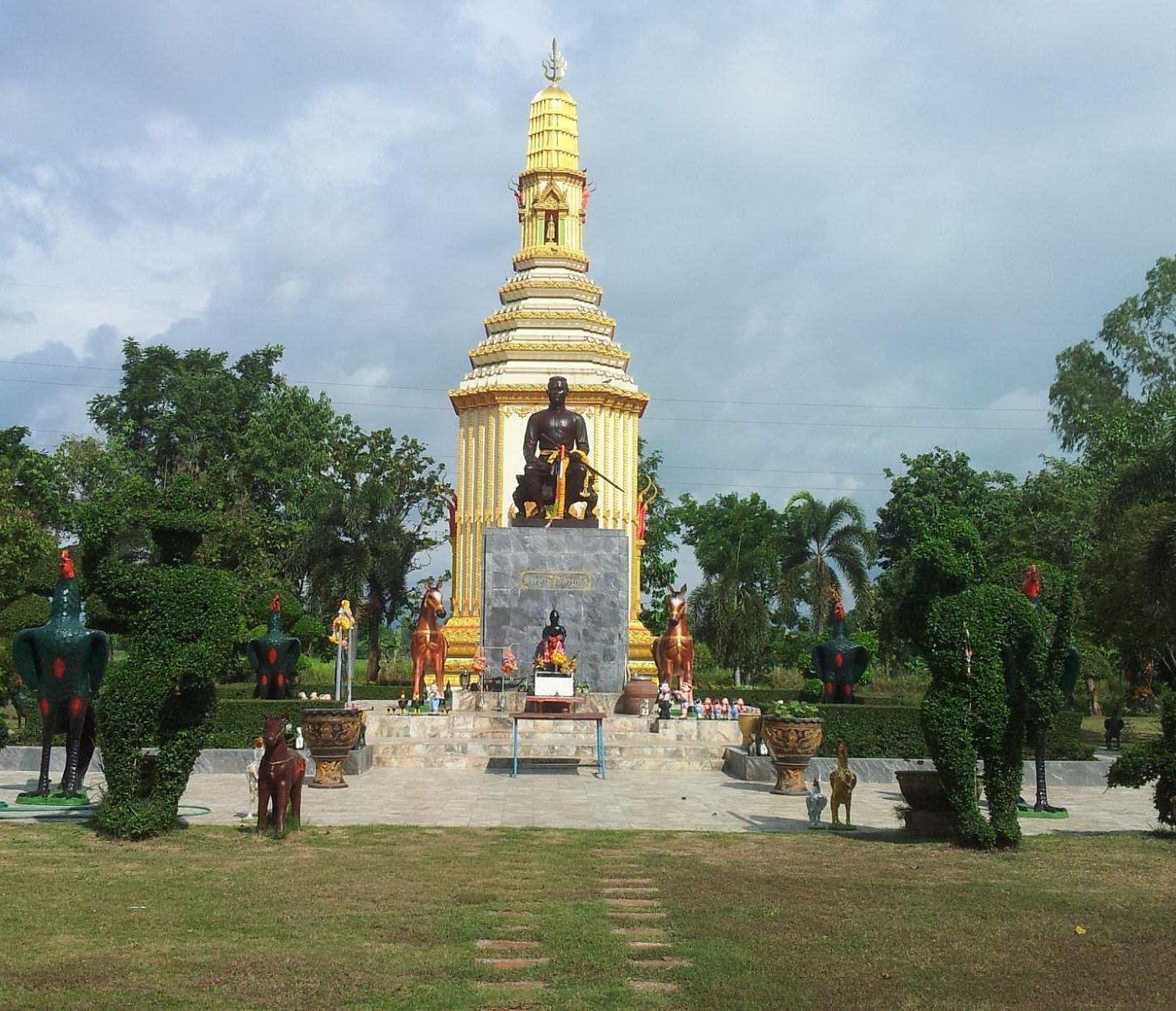
Beyond agriculture, Uttaradit carries deep historical significance. The province played an important role in northern Thai history, particularly during periods of regional conflict and territorial defense. One of the most respected historical figures associated with the area is Phraya Phichai Dap Hak, a legendary warrior remembered for his loyalty and sacrifice. His story is not treated as distant history here, but as a living part of local identity, taught in schools and honored in public spaces.
Culturally, Uttaradit is conservative and deeply rooted in tradition. Temples are central to community life, not as attractions but as gathering points for religious practice, ceremonies, and festivals. Many temples are simple and unadorned, reflecting local values rather than artistic ambition. Festivals tend to be small scale and community focused, organized for residents rather than visitors.
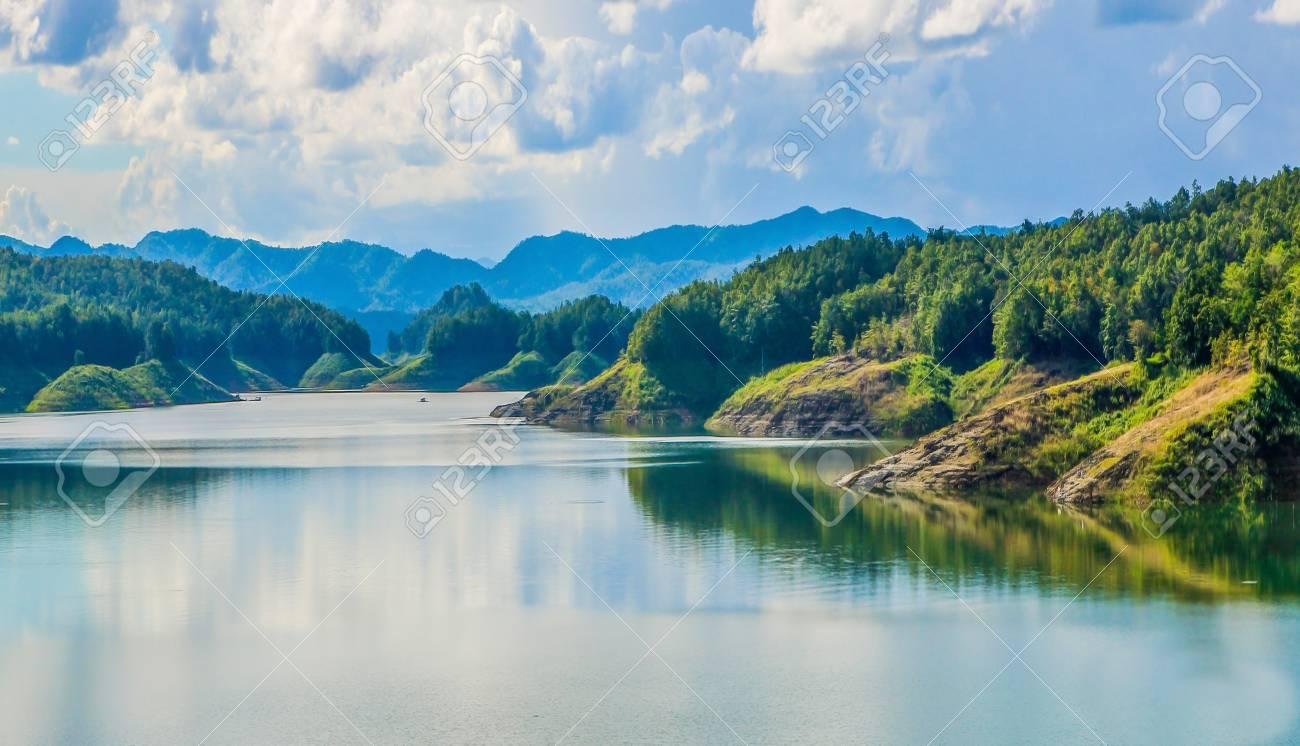
The natural environment surrounding Uttaradit is one of its quiet strengths. Forests, hills, reservoirs, and rivers provide a sense of space and calm. While not dramatic or famous, these landscapes support farming, fishing, and local recreation. People picnic by rivers, fish in local reservoirs, and gather in natural areas without formal infrastructure or commercial development. Nature here is part of daily life, not a curated experience.
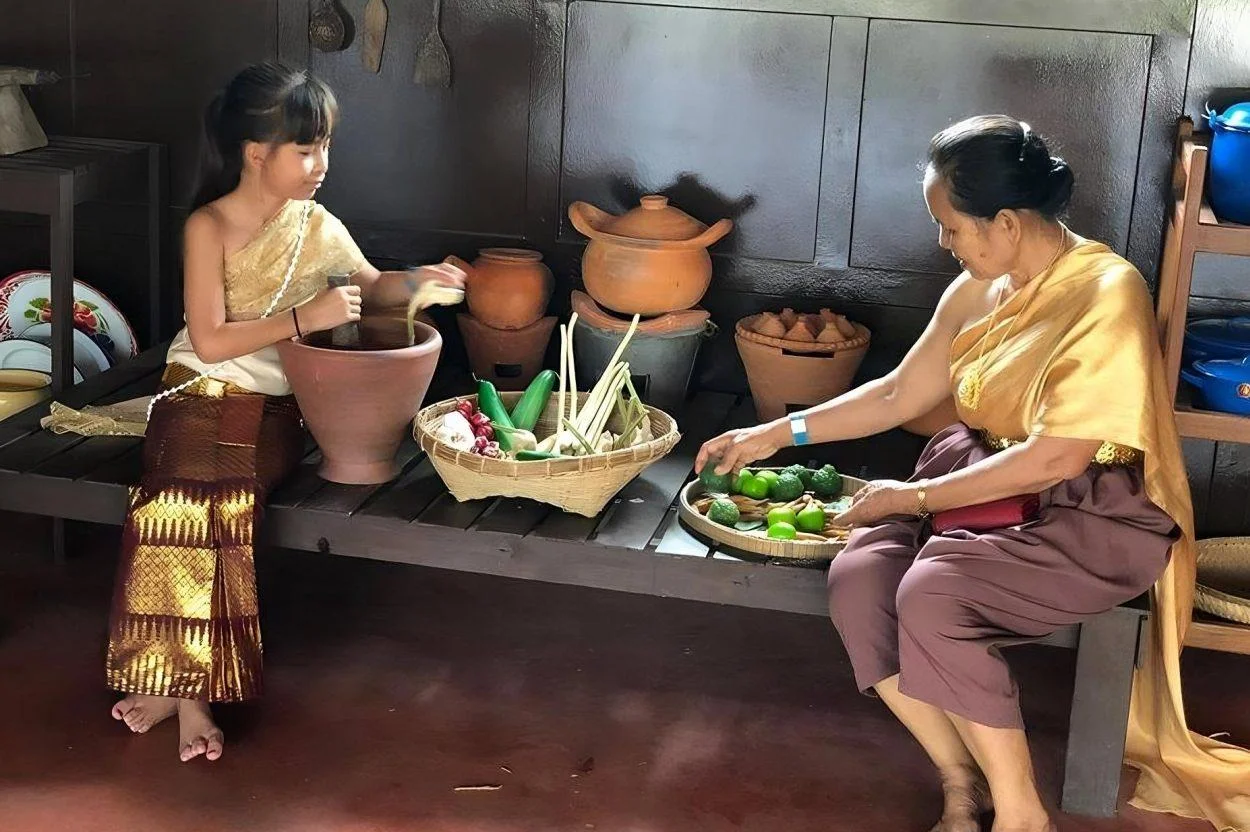
Food in Uttaradit reflects northern Thai traditions. Meals are simple, seasonal, and practical. Sticky rice, grilled meats, local vegetables, and chili based dips are common. Markets offer prepared dishes early in the morning and again in the late afternoon, matching local work rhythms. Eating out is affordable and informal, often centered around familiarity rather than variety.
Economically, Uttaradit is not wealthy, but it is stable. The province relies on agriculture, small businesses, local trade, and public sector employment. There is little speculative development and minimal influence from mass tourism. This keeps living costs relatively low, especially for housing and food, but also means fewer job opportunities for outsiders without local connections or specific skills.
For foreigners or long term residents considering Uttaradit, adaptation is essential. English is rarely spoken outside schools and government offices. Social life is family oriented, and communities are close knit. Privacy exists, but anonymity does not. Life here rewards patience, respect, and participation rather than speed or ambition.
Uttaradit is not a place for those seeking stimulation, entertainment, or rapid change. It is a place for those who want to observe, learn, and slow down. It shows a side of Thailand that continues quietly, unaffected by trends, algorithms, or external validation.
In a country often defined internationally by beaches, nightlife, or ancient ruins, Uttaradit offers something different. It offers continuity. It offers routine. And it offers a glimpse into how much of Thailand actually lives, works, and moves forward, one ordinary day at a time.
อุตรดิตถ์: จังหวัดภาคเหนือที่ประวัติศาสตร์ สายน้ำ และชีวิตประจำวันยังคงไหลไปพร้อมกัน
จังหวัดอุตรดิตถ์เป็นหนึ่งในจังหวัดที่ไม่ค่อยปรากฏในแผนการท่องเที่ยว แต่กลับรักษาความต่อเนื่องของวิถีชีวิตแบบไทยไว้ได้อย่างชัดเจน ตั้งอยู่ในภาคเหนือตอนล่าง มีอาณาเขตติดกับแพร่ น่าน พิษณุโลก และประเทศลาวทางทิศตะวันออก อุตรดิตถ์ไม่ได้ถูกหล่อหลอมโดยการท่องเที่ยว แต่เติบโตจากแม่น้ำ ป่าไม้ เกษตรกรรม และชุมชนท้องถิ่น
อุตรดิตถ์ไม่ใช่จังหวัดที่แนะนำตัวเองผ่านสถานที่สำคัญ แต่เผยตัวตนผ่านบรรยากาศและชีวิตประจำวัน เมืองนี้เหมาะสำหรับผู้ที่อยากเข้าใจประเทศไทยในมุมที่ไม่ถูกจัดแสดง และให้คุณค่ากับความจริงมากกว่าความสะดวกสบาย
ตัวเมืองอุตรดิตถ์เป็นเมืองเรียบง่าย ทำหน้าที่เป็นศูนย์กลางด้านการปกครอง การศึกษา และการค้า แม่น้ำน่านมีบทบาทสำคัญต่อภูมิประเทศและวิถีชีวิต ช่วงเช้าเริ่มต้นเร็ว ตลาดเปิดตั้งแต่ฟ้ายังไม่สว่าง พระออกบิณฑบาต และร้านอาหารเตรียมอาหารพื้นบ้านสำหรับผู้คนที่เริ่มวันทำงาน
เกษตรกรรมเป็นหัวใจของจังหวัด นาข้าวครอบคลุมพื้นที่ราบ ขณะที่สวนผลไม้และป่าเขาล้อมรอบ อุตรดิตถ์มีชื่อเสียงด้านทุเรียนพันธุ์พื้นเมืองที่เป็นที่รู้จักภายในประเทศ ช่วงฤดูเก็บเกี่ยว จังหวัดจะคึกคักด้วยการขนส่งผลผลิต แผงขายผลไม้ริมทาง และการทำงานร่วมกันของครอบครัวในชนบท
อุตรดิตถ์ยังมีความสำคัญทางประวัติศาสตร์ โดยเฉพาะบทบาทในการปกป้องดินแดนในอดีต หนึ่งในบุคคลสำคัญคือพระยาพิชัยดาบหัก วีรบุรุษที่เป็นสัญลักษณ์ของความกล้าหาญและความซื่อสัตย์ เรื่องราวของท่านยังคงเป็นส่วนหนึ่งของอัตลักษณ์ท้องถิ่น
วัฒนธรรมของอุตรดิตถ์มีความเรียบง่ายและยึดถือประเพณี วัดเป็นศูนย์รวมของชุมชน ใช้ประกอบพิธีกรรมและกิจกรรมทางศาสนา เทศกาลต่างๆ มักจัดขึ้นเพื่อคนในพื้นที่ ไม่ได้เน้นการท่องเที่ยว
ธรรมชาติรอบจังหวัดให้ความรู้สึกสงบ ป่าเขา แม่น้ำ และอ่างเก็บน้ำถูกใช้เป็นพื้นที่พักผ่อนของคนท้องถิ่นโดยไม่ต้องมีการพัฒนาเชิงพาณิชย์ ธรรมชาติเป็นส่วนหนึ่งของชีวิต ไม่ใช่สิ่งที่ถูกจัดแสดง
อาหารในอุตรดิตถ์สะท้อนวิถีชีวิตภาคเหนือ ข้าวเหนียว อาหารย่าง ผักพื้นบ้าน และน้ำพริกเป็นส่วนหนึ่งของมื้อประจำวัน ตลาดเป็นแหล่งอาหารหลัก เปิดตามจังหวะชีวิตของผู้คน
ด้านเศรษฐกิจ อุตรดิตถ์อาจไม่มั่งคั่ง แต่มีความมั่นคง ค่าใช้จ่ายในการดำรงชีวิตต่ำ โอกาสทางธุรกิจจำกัด และต้องอาศัยความเข้าใจบริบทท้องถิ่น
อุตรดิตถ์ไม่เหมาะสำหรับผู้ที่มองหาความตื่นเต้น แต่เหมาะสำหรับผู้ที่ต้องการความสงบ ความต่อเนื่อง และความเข้าใจในประเทศไทยอย่างลึกซึ้ง
ในประเทศที่มักถูกจดจำด้วยทะเลหรือสถานที่ท่องเที่ยวชื่อดัง อุตรดิตถ์นำเสนออีกมุมหนึ่ง นั่นคือชีวิตธรรมดาที่ดำเนินไปอย่างมั่นคง และนั่นคือคุณค่าที่แท้จริงของจังหวัดนี้
#Uttaradit #UttaraditThailand #NorthernThailand #ThaiLocalLife #RealThailand #LifeInThailand #ThaiProvince #SlowThailand #TraditionalThailand
Categories
- Art
- Business & Work
- Cost of Living
- Crafts
- Culture & Traditions
- Digital Life
- Expat Life
- Farmer Life
- Festivals & Events
- Finance & Banking
- Food & Drink
- Health & Wellness
- Hidden Gems
- History & Heritage
- Language
- Literature
- Nature & Adventure
- Networking
- Nightlife & Entertainment
- Real Estate
- Religion
- School & Education
- Shopping & Markets
- Social Life
- Sports
- Theater & Shows
- Transport
- Travel
- Visas & Immigration
- Other
Read More
Family Traditions: In the heart of Thailand's rich cultural tapestry lies a set of cherished traditions that have been passed down through generations—Thai family traditions. These customs play a vital role in shaping the identity of Thai families, fostering close-knit bonds, and preserving the values that define the Land of Smiles. In this blog, we will delve into the time-honored...
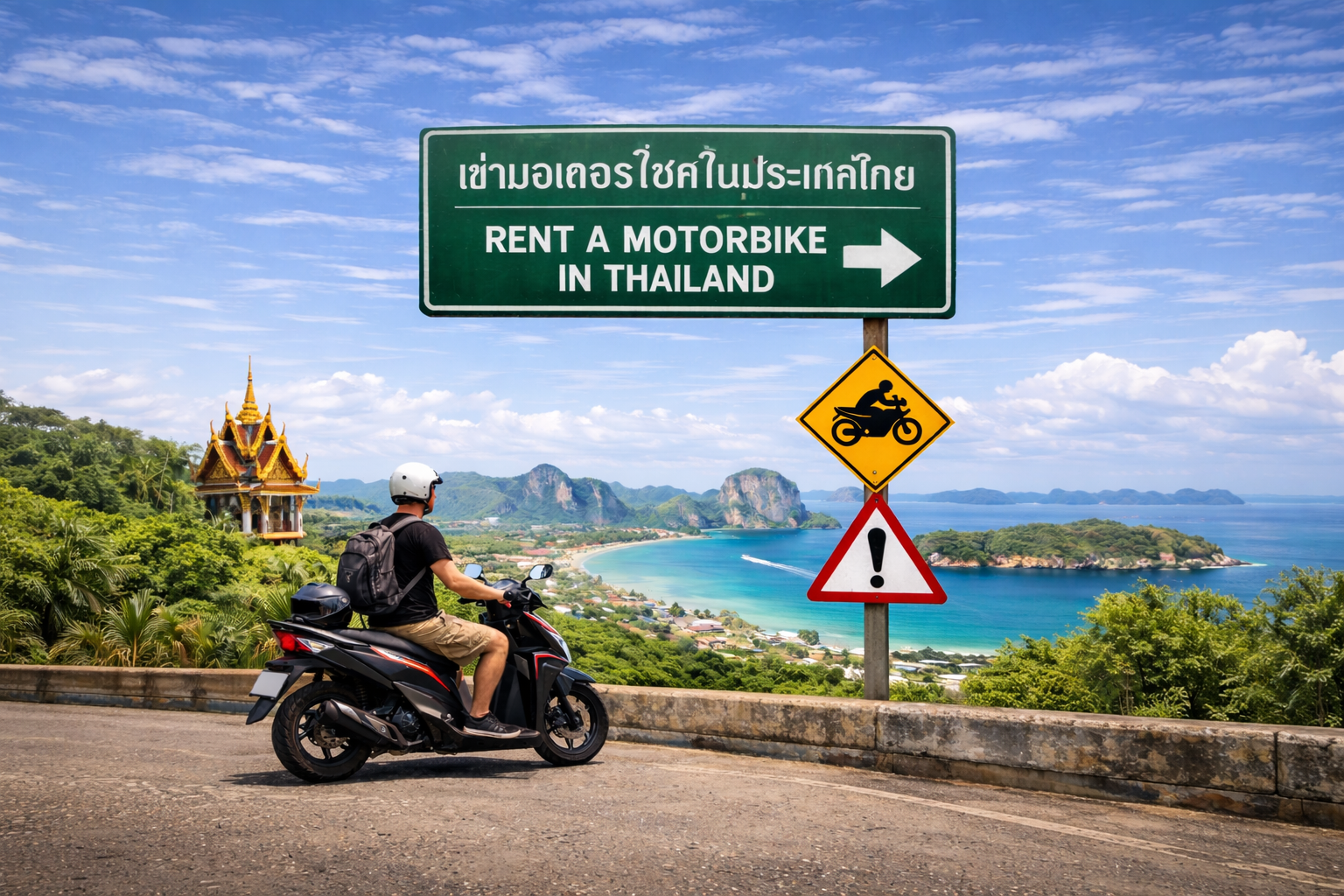
Renting a Motorcycle in Thailand Everything You Need to Know Before You Ride Renting a motorcycle in Thailand is one of the most popular and practical ways to explore the country. From busy city streets to quiet island roads and mountain curves in the north, a motorbike gives you freedom, flexibility, and access to places that cars and public transport simply cannot reach. For many travelers,...
Thailand Digital Arrival Card (TDAC): Everything You Need to Know Before Traveling to Thailand Thailand remains one of the world's most popular destinations for tourists, retirees, digital nomads, and business travelers. Millions of visitors arrive every year to enjoy the country's beautiful beaches, vibrant cities, world-famous cuisine, and welcoming culture. In 2025, Thailand introduced a...

Thailand, renowned for its rich cultural tapestry, warm hospitality, and stunning landscapes, is also a place where cultural nuances play a significant role in interpersonal relationships. In this blog post, we'll explore the intricacies of Thai women's behavior towards foreign men, shedding light on the cultural factors that influence their interactions. Politeness and Respect: Thai culture...

Chiang Mai, Nestled in the mountainous landscapes of Northern Thailand, Chiang Mai is a city that breathes culture at every corner. From its ancient temples to vibrant festivals, the cultural richness of Chiang Mai is a tapestry woven with threads of tradition, spirituality, and modern influences. In this exploration, we embark on a journey through the diverse facets of Chiang Mai's culture,...