
Thailand’s Forgotten Railway Lines and Abandoned Stations (🇺🇸/🇹🇭)
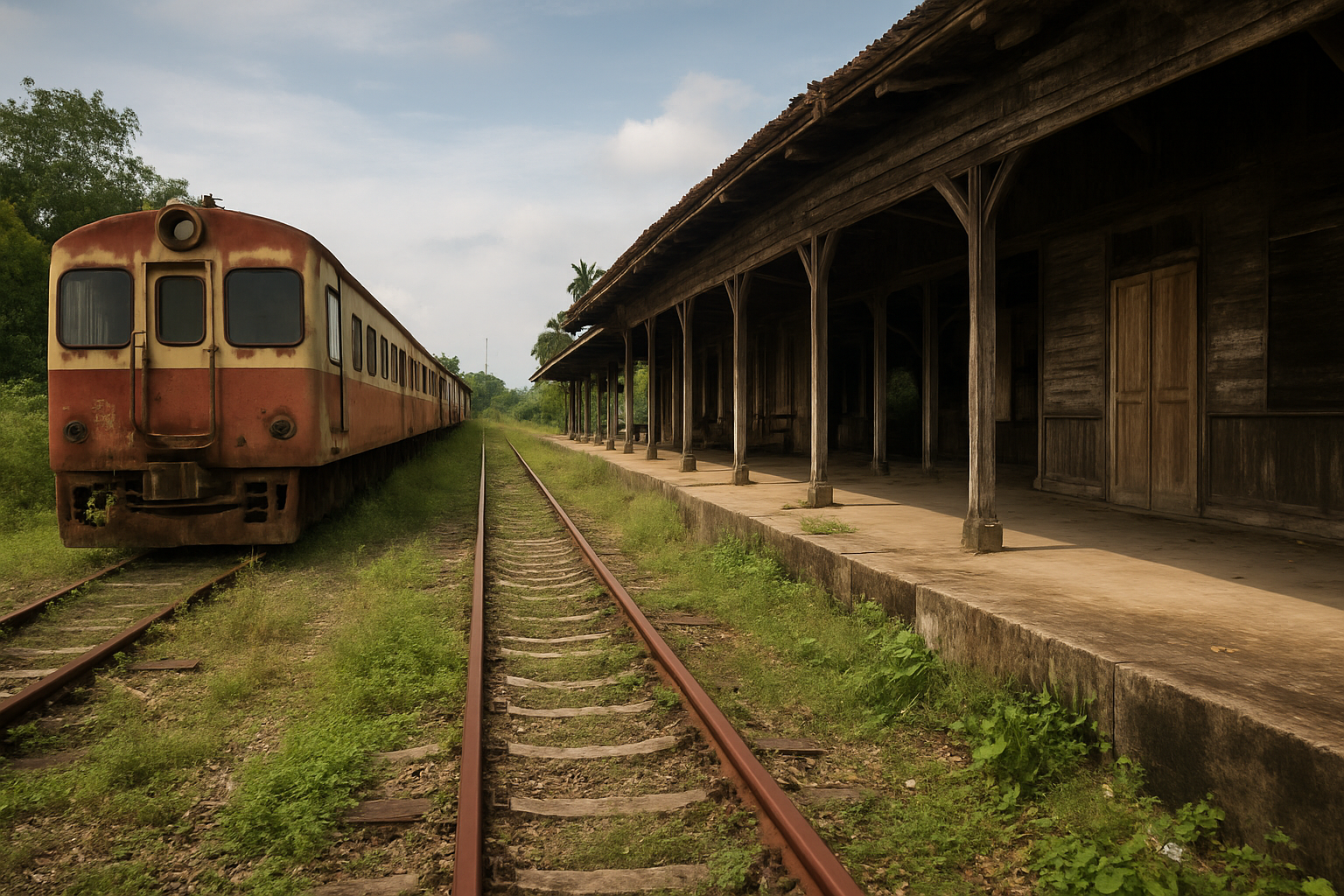
Thailand’s Forgotten Railway Lines and Abandoned Stations
Exploring the Lost Tracks, Silent Platforms, and Mysteries They Left Behind
Thailand’s railway system is more than a network of steel tracks. For over a century, it connected remote villages, carried soldiers during wartime, transported rice across provinces, and served as a lifeline for communities before roads existed. Today, some of these lines have fallen silent. Overgrown with weeds, overtaken by jungle, or standing empty under a fading roof, they tell stories that most travelers never hear about.
Exploring Thailand’s forgotten railways is like stepping into another era. These abandoned routes reveal how the country once moved, grew, and connected long before modern highways took over.
The Lines That Time Left Behind
In many regions of Thailand you can still find traces of railway lines that once served bustling rural towns. Some were closed due to low passenger numbers. Others were abandoned after floods, war damage, or changes in transportation planning. While trains no longer run on these tracks, the remnants remain surprisingly intact.
One of the most interesting examples is the old line that once connected Khon Kaen to Kalasin. Built decades ago to support agricultural transport, it was eventually decommissioned when modern roads provided faster access. Today parts of the route are still visible if you know where to look. Old rails are buried under grass, concrete sleepers lie scattered beside fields, and rusted bridges stretch across dry streams.
In the South, several small branch lines near Songkhla and Phatthalung tell similar stories. These lines were created to serve tin-mining communities and lakeside villages. When mining declined, the trains stopped coming and the stations were left to fade quietly into history.
The Silent Stations
Old Thai railway stations have a special charm. They are small, simple, and often built in traditional styles with wooden beams, tiled roofs, and elegant signs bearing the station’s name in Thai and English. When these stations are abandoned, they become hauntingly beautiful.
Some platforms still have benches waiting for passengers who will never arrive. Some ticket booths still have faded posters from the 1980s. Many are surrounded by wild plants, as if nature is slowly reclaiming everything that once belonged to humans.
In central Thailand there are small stations along the former branch to Suphanburi and Nakhon Pathom that still stand. Some communities keep the buildings clean even though no trains pass anymore. The station becomes a meeting point for villagers, a playground for children, or a backdrop for local festivals.
In the North, forgotten stations along discontinued logging routes can still be found in remote forest areas. These stations once served workers and transported valuable teak wood. Today they sit alone, surrounded by trees that have grown tall after decades of untouched growth.
The Mystery of Lost Routes
One of the most intriguing aspects of Thailand’s abandoned railway lines is how little information remains about some of them. Local elders may remember a train that once came through their village but official documentation can be incomplete or scattered. Some lines were planned, partially built, and then canceled. Others were used only briefly.
There are stories of unfinished tunnels in the northern mountains, built during wartime and later abandoned. There are whispers about rails removed during conflicts and melted into weapons. Although not all stories are confirmed, they add a mysterious layer to Thailand’s forgotten railway culture.
The most surprising thing is how often these hidden tracks appear in places you would never expect. You might be walking through a park and notice a perfectly straight, raised path. Or driving down a road that locals reveal was once a railway embankment. The past is always closer than it seems.
Nature’s Slow Reclaiming
When a railway line is abandoned, nature slowly takes control. Trees grow between the sleepers. Grass covers the rails. Termite mounds begin to form near old wooden station structures. Birds nest inside platforms. Over time, the landscape transforms into something both nostalgic and peaceful.
Walking along an abandoned track gives a strange feeling of stillness. You can imagine the sound of an old diesel engine in the distance, the whistle echoing through rice fields, the conductor leaning out the window while villagers wave from the platform. It is as if the memories of the trains are still there, even though the trains themselves are long gone.
The Future of Forgotten Railways
Some abandoned lines have found new purposes. Communities have transformed them into walking paths, bicycle routes, and cultural heritage trails. The old station buildings become museums or community centers. In rare cases, local train enthusiasts have restored sections for tourism.
However, many forgotten routes continue to quietly decay. Without recognition, they may vanish completely in the coming decades.
Preserving these stories does not mean reopening the tracks. It means acknowledging that these lines played an important role in Thailand’s development. They shaped migration patterns, trade, industry, and even the layout of towns. Remembering them helps preserve a piece of history that modern development tends to erase.
Why These Lost Railways Matter
Thailand’s forgotten railway lines and abandoned stations represent more than rust and old wood. They reflect the hopes of a different time, the dreams of connecting communities, and the effort of thousands of workers who built the network by hand.
They remind us that every journey has a past.
Every station once held meaning.
Every track once carried life.
Exploring these places allows us to appreciate how Thailand has changed and how much of its history remains hidden in plain sight.
เส้นทางรถไฟที่ถูกลืมของประเทศไทย
สำรวจสถานีร้าง รางเก่า และเรื่องราวปริศนาที่หลงเหลืออยู่ในกาลเวลา
เครือข่ายรถไฟของประเทศไทยมีอายุมากกว่าหนึ่งศตวรรษ และเคยเป็นเส้นเลือดใหญ่ของการคมนาคมในประเทศ หนึ่งในวิธีเดินทางที่ช่วยเชื่อมหมู่บ้านเล็กๆ เมืองใหญ่ และพื้นที่ห่างไกลให้เข้าหากัน แต่เมื่อยุคสมัยเปลี่ยนไป หลายเส้นทางที่เคยคึกคักกลับเงียบหาย ถูกทิ้งร้าง และถูกธรรมชาติกลืนกินไปทีละนิด
การเดินสำรวจเส้นทางรถไฟที่ถูกลืมเหล่านี้เปรียบเสมือนการย้อนเวลากลับไปสู่สมัยที่ชุมชนพึ่งพารถไฟเป็นศูนย์กลางของชีวิต เรื่องราวมากมายยังคงซ่อนอยู่ตามรางเก่าและสถานีเล็กๆ ที่ไม่มีเสียงหวูดรถไฟอีกต่อไป
เส้นทางที่ถูกกาลเวลาทิ้งไว้ข้างหลัง
หลายจังหวัดทั่วประเทศไทยยังมีร่องรอยของรางรถไฟเก่าที่เคยถูกใช้งานจริง บางเส้นทางถูกยกเลิกเพราะจำนวนผู้โดยสารลดลง บางเส้นทางเสียหายจากสงคราม น้ำท่วม หรือเปลี่ยนแผนการพัฒนา และบางเส้นทางเป็นเพียงโครงการที่สร้างไม่เสร็จ
หนึ่งในเส้นทางที่น่าสนใจคือรางเก่าที่เคยเชื่อมขอนแก่นกับกาฬสินธุ์ เส้นนี้ถูกสร้างขึ้นเพื่อขนส่งผลผลิตทางการเกษตร แต่เมื่อมีถนนตัดผ่านและการเดินทางทางรถยนต์สะดวกขึ้น รถไฟก็หยุดวิ่ง รางและหมอนรองรถไฟบางส่วนยังคงหลงเหลือให้เห็น วันนี้ซ่อนตัวอยู่ใต้หญ้าและต้นไม้ริมทุ่งนา
ในภาคใต้ บริเวณใกล้สงขลาและพัทลุงก็มีเส้นทางสาขาย่อยเดิมที่เคยรองรับชุมชนเหมืองแร่ เมื่ออุตสาหกรรมเหมืองแร่ลดลง รางรถไฟก็ถูกปล่อยทิ้งไว้เงียบๆ จนกลายเป็นเส้นทางที่มีเพียงนักสำรวจไม่กี่คนเท่านั้นที่รู้จัก
สถานีรถไฟที่ไม่เหลือผู้โดยสารอีกต่อไป
สถานีรถไฟไทยในอดีตมักเป็นอาคารไม้หลังคากระเบื้อง ทาสีสดใส และมีป้ายชื่อสถานีโดดเด่น เมื่อเวลาผ่านไปและรถไฟหยุดให้บริการ อาคารสถานีหลายแห่งยังคงตั้งอยู่ รอผู้โดยสารที่ไม่มีวันกลับมา
บางแห่งยังมีม้านั่งไม้เก่าๆ วางอยู่บนชานชาลา ตู้ขายตั๋วที่เต็มไปด้วยโปสเตอร์ลบเลือนจากยุคก่อน และเสาต่างๆที่วันนี้ถูกปกคลุมด้วยเถาวัลย์
ในภาคกลาง สถานีตามเส้นทางสาขาที่เคยไปสุพรรณบุรีและนครปฐมยังคงพอเห็นเค้าลางอาคารอยู่ บางหมู่บ้านดูแลทำความสะอาดตัวอาคารเพื่อให้เป็นพื้นที่รวมตัวของชุมชน แม้จะไม่มีรถไฟมาแล้วก็ตาม
ส่วนในภาคเหนือ บางสถานีร้างตามเส้นทางขนไม้เก่าแก่ยังคงฝังตัวอยู่ท่ามกลางป่าทึบ เสาไม้และป้ายสถานีที่ซีดจางยังคงบอกเล่าเรื่องราวอดีตของเส้นทางที่เคยคึกคักด้วยคนงานและขบวนรถขนไม้สัก
ปริศนาที่เหลือไว้บนรางเก่า
เสน่ห์อย่างหนึ่งของเส้นทางรถไฟที่ถูกลืมคือเรื่องราวที่ยังไม่ชัดเจน บางเส้นทางไม่มีข้อมูลบันทึกไว้ในประวัติศาสตร์อย่างละเอียด คนเฒ่าคนแก่ในหมู่บ้านมักเล่าเรื่องรถไฟที่เคยผ่านมา แต่เอกสารทางการอาจขาดหาย
บางรางถูกสร้างขึ้นในช่วงสงครามและถูกทิ้งร้างอย่างรวดเร็ว มีเรื่องเล่าถึงอุโมงค์ที่สร้างไม่เสร็จ รางที่ถูกถอดไปใช้ทำอาวุธ หรือเส้นทางที่ถูกปิดเพราะเหตุ mysterious เหตุการณ์ปริศนา แม้หลายเรื่องจะยังไม่มีหลักฐาน แต่ก็เพิ่มความน่าค้นหาให้กับเส้นทางเหล่านี้อย่างมาก
ธรรมชาติที่ค่อยๆกลืนรางรถไฟ
เมื่อรางไม่ได้ใช้งาน ธรรมชาติจะเริ่มเข้ามาทวงคืน พืชพรรณขึ้นแทรกระหว่างหมอนราง ต้นไม้เติบโตจนบดบังชานชาลา นกและสัตว์เล็กๆ ใช้พื้นที่เดิมของสถานีเป็นที่อยู่อาศัยใหม่
หากเดินตามรางเก่าที่ถูกทิ้งร้าง คุณจะสัมผัสได้ถึงความเงียบที่ลึกซึ้ง ราวกับยังคงได้ยินเสียงหวูดรถไฟ เสียงรางสั่นจากขบวนเก่าๆ ที่เคยผ่านมานับพันครั้งในอดีต ทั้งที่วันนี้ไม่มีอะไรเหลือ นอกจากรางสนิมและความทรงจำของผู้คน
อนาคตของเส้นทางรถไฟที่ถูกลืม
บางเส้นทางได้รับการฟื้นฟูโดยชุมชนท้องถิ่น กลายเป็นเส้นทางเดิน เส้นทางปั่นจักรยาน หรือแหล่งเรียนรู้ทางวัฒนธรรม อาคารสถานีบางแห่งถูกปรับให้เป็นพิพิธภัณฑ์หรือศูนย์ชุมชน แต่หลายเส้นทางยังคงถูกทิ้งให้ผุพังไปตามกาลเวลา
แม้จะไม่ได้กลับมามีขบวนรถไฟวิ่งเหมือนเดิม แต่การบันทึกเรื่องราวของรางเก่าเหล่านี้เป็นวิธีหนึ่งในการรักษาประวัติศาสตร์ เพราะเส้นทางรถไฟเคยมีบทบาทสำคัญในการพัฒนาประเทศ ช่วยสร้างเมือง เชื่อมชุมชน และบอกเล่าว่าไทยในอดีตเคยเคลื่อนไหวผ่านรางเหล่านี้อย่างไร
ทำไมเราควรสนใจเส้นทางที่ถูกลืมเหล่านี้
รางรถไฟเก่าไม่ได้เป็นเพียงเหล็กสนิมหรืออาคารร้าง แต่เป็นบทบันทึกของยุคสมัย เป็นร่องรอยของความหวัง ความฝัน และความพยายามของผู้คนในอดีต การสำรวจพื้นที่เหล่านี้ช่วยให้เราเข้าใจความเปลี่ยนแปลงของสังคมไทย และเห็นถึงความสำคัญของการอนุรักษ์เรื่องราวที่ถูกกลืนหายไปกับกาลเวลา
#ThailandRailways
#AbandonedThailand
#LostRailways
#HiddenThailand
#ThaiHistory
#RailwayHeritage
#UrbanExplorationThailand
#OldTrainStations
#ForgottenThailand
#ThailandTravel

Categories
- Art
- Business & Work
- Cost of Living
- Crafts
- Culture & Traditions
- Digital Life
- Expat Life
- Farmer Life
- Festivals & Events
- Finance & Banking
- Food & Drink
- Health & Wellness
- Hidden Gems
- History & Heritage
- Language
- Literature
- Nature & Adventure
- Networking
- Nightlife & Entertainment
- Real Estate
- Religion
- School & Education
- Shopping & Markets
- Social Life
- Sports
- Theater & Shows
- Transport
- Travel
- Visas & Immigration
- Other
Read More
Suvarnabhumi Airport: The Gateway to Thailand and the World Suvarnabhumi Airport is not just an airport. It is the first chapter of Thailand for millions of travelers and the final emotional punctuation mark when they leave. Long before a visitor understands Bangkok’s traffic, humidity, contradictions, and charm, Suvarnabhumi has already introduced them to the country’s rhythm. It...

E-SAN Music Festival 2026, Khon Kaen. The Complete Guide for Music & Culture Lovers The E-SAN Music Festival is one of Thailand’s most unique and authentic cultural music events, an experience blending nature, art, freedom, and the unmistakable soul of Isan culture. For 2026, the festival returns bigger, greener, and louder than ever. If you love outdoor festivals, indie vibes,...

IsaanNestled in the heart of Thailand, the Isaan region stands as a hidden gem waiting to be discovered. Often overlooked by mainstream tourism, Isaan is a captivating region that offers a unique blend of cultural richness, historical significance, and natural beauty. In this blog post, we will delve into the wonders of Isaan, unveiling the reasons why this northeastern part of Thailand...

Chiang Mai, with its lush greenery, majestic mountains, and rich cultural heritage, is not only a haven for temple enthusiasts but also an adventure seeker's paradise. If you're looking to add an adrenaline rush to your travel itinerary, Chiang Mai's zipline trips offer a thrilling and unique way to experience the beauty of Northern Thailand. The Thrill of Flight: Embark on an exhilarating...

Chiang Mai, known for its cultural richness and stunning landscapes, is also home to a thriving academic community that adds another layer of vibrancy to this enchanting city. In this blog post, we will delve into the world of universities in Chiang Mai, exploring the academic excellence, cultural diversity, and unique experiences that these institutions offer to students from around the...