The Real Origin of Pattaya (🇺🇸/🇹🇭)

THE REAL ORIGIN OF PATTAYA
How a Silent Shoreline Became Thailand’s Most Famous Tourism City. And Why the Vietnam War Was the Spark That Changed Everything
A Quiet Bay Before the World Arrived
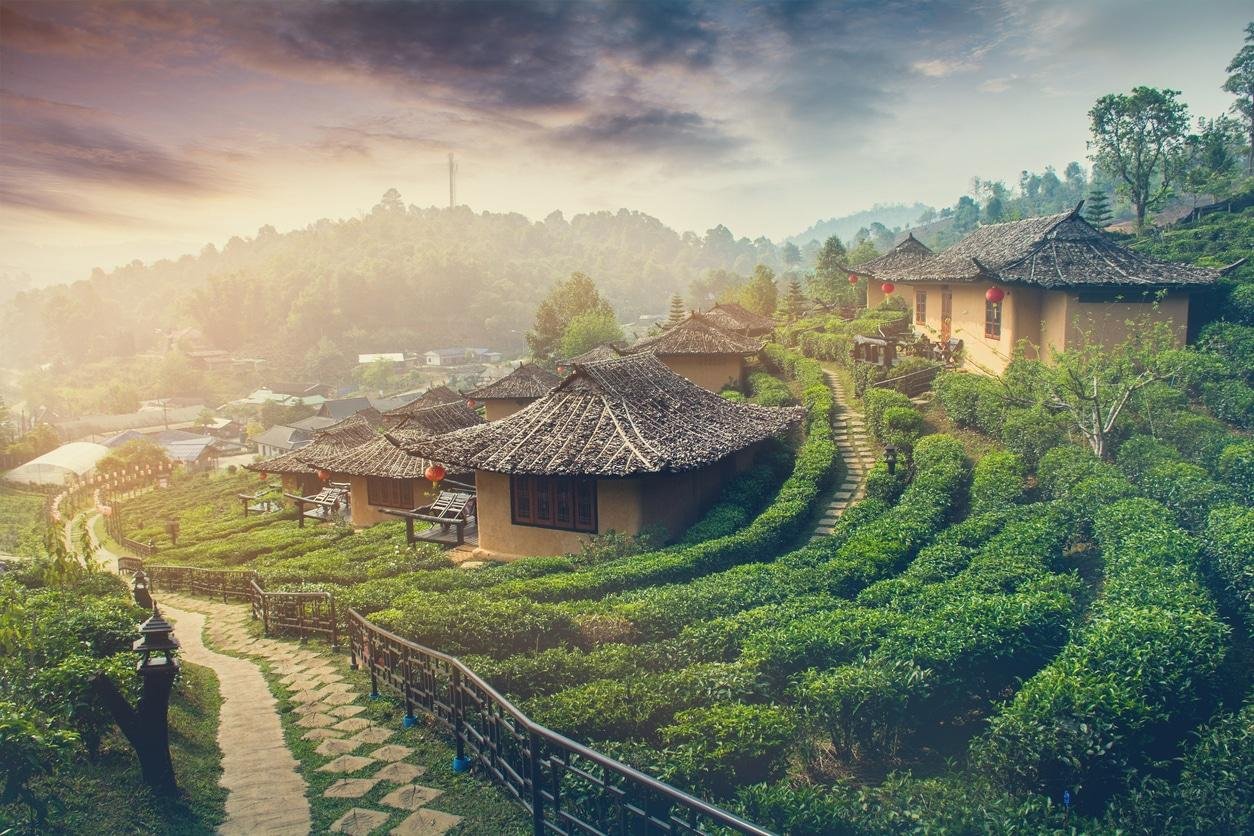
Before Pattaya became a global name, it existed in a kind of quiet anonymity. The coastline curved softly into the Gulf of Thailand, framed by coconut palms, sandy shallows and a few clusters of wooden homes built on stilts. Locals lived almost entirely by fishing and near-shore trading. Men pushed their longtail boats into the water at dawn, pulling nets heavy with mackerel, squid, crab and small shrimp. Women sorted the catch under the shade of palm trees. Children played barefoot along the tide line. There was no electricity in many homes, no paved road along the beach, no concept of “tourism” as we understand it today. Pattaya was simply a coastal village in a region known more for agriculture and fishing than anything else.
The area’s earlier name, Thap Phraya, came from an eighteenth-century royal march under Phraya Tak, who later became King Taksin the Great. Over time the name shifted to Phatthaya and eventually Pattaya, but these changes meant little to the outside world. For most of its history the village was invisible on the international stage.

Thailand’s Strategic Geography and a Region on the Edge of Conflict
What Pattaya lacked in historical fame, it made up for in geography. The Gulf of Thailand opened directly toward Cambodia and Vietnam. The distance was not immense. The region was interconnected by sea routes, cultural links and regional trade long before any modern conflict. When war escalated in Vietnam in the early nineteen sixties, Thailand felt the political pressure almost immediately. Though the fighting never reached Thai soil, the proximity made Thailand a natural staging ground for operations.
The United States and Thailand signed several agreements allowing American forces to operate from Thai bases. By the mid-sixties, the country hosted an extensive network of American air operations at Korat, Udon Thani, Ubon Ratchathani, Takhli, Nakhon Phanom and, most significantly for Pattaya, the Royal Thai Navy Airfield at U Tapao in Rayong. This base, completed in nineteen sixty six, would become the busiest outside Vietnam. B 52 strategic bombers, KC 135 refueling aircraft and transport planes passed through it continuously.
Tens of thousands of American servicemen served in Thailand on rotating schedules during these years. They needed rest between missions. They needed sunlight, sea air and escape. This need, more than any tourism plan, would be the force that put Pattaya on the world map.

The Moment That Changed Pattaya Forever
The most referenced turning point comes from June nineteen sixty two. A group of approximately one hundred American airmen stationed at Korat RTAFB were granted a short break known as R and R, Rest and Recreation. Their Thai military driver knew the eastern seaboard well and decided to bring them to a peaceful spot where the sea was calm and the villages hospitable.
He drove them to Pattaya.
At that moment Pattaya was still a simple fishing community, barely touched by modernization. The airmen stayed in wooden beach houses rented from local families. They swam in the warm Gulf, bought seafood grilled by villagers, drank cold beer at makeshift tables, and slept in quiet rooms with the sea breeze drifting through.
To the airmen this was paradise. To the villagers it was a rare moment of economic magic. Renting a house for a few nights brought more income than fishing for days. When the group returned to Korat, they spoke enthusiastically about this hidden beach. Stories traveled across bases by word of mouth. Within months more servicemen arrived. Within a few years, Pattaya was no longer a secret.
The Rise of R and R and the First Wave of Transformation
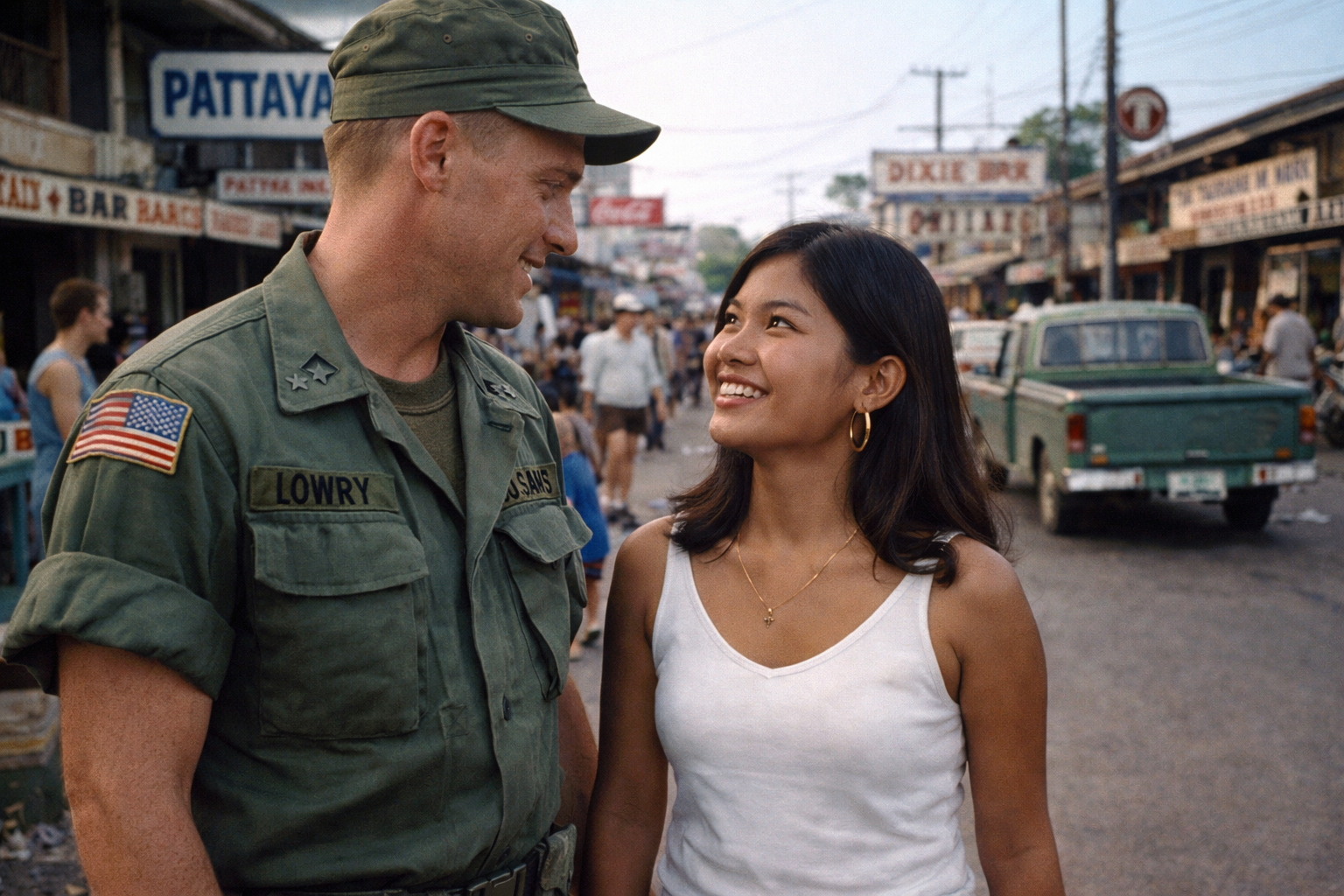
As R and R popularity increased, the village began to change. Locals extended their homes to create simple guest rooms. Small family restaurants appeared. Tailors set up shops. Street vendors began selling fresh fruit, barbecue and snacks to the growing number of foreigners. Bars began forming in the evening as a response to off-duty soldiers who wanted music, conversation and relaxation.
When U Tapao Air Base opened in nineteen sixty six everything accelerated dramatically. The base sat only a short drive from Pattaya and quickly became the busiest point for US air operations outside Vietnam. With thousands of airmen living and working near Rayong, Pattaya became the natural choice for days off.
Many soldiers preferred Pattaya to Bangkok because the beach offered something softer and freer than the capital. Pattaya evolved around their needs: cold beer, food, accommodation, music, fresh seafood, and a feeling of escape from the war zone just across the gulf. English became widely used in business. American rock music filled the air. Restaurants began serving steak and Western-style breakfasts. The local economy shifted almost overnight from fishing to hospitality.

A City Growing Faster Than Anyone Expected
By the late nineteen sixties and early nineteen seventies Pattaya was expanding at a pace almost unmatched in Thailand. Roads were widened. Electricity was extended into new neighborhoods. More guesthouses and small hotels were constructed from timber, bamboo and later concrete.
The city began developing its distinct personality. Streets remained rural, but the energy felt international. Locals interacted daily with Americans, Australians and support staff from many allied countries. Pattaya became one of the most well-known off-duty destinations among US forces in Asia. When sailors, pilots, mechanics and medical staff talked about Thailand, Pattaya appeared in their stories again and again.
This sudden growth was not controlled or formally planned. It was organic, driven by human need, money and opportunity. Pattaya grew house by house, bar by bar, road by road. The coastline transformed into a bustling community that felt new and unconventional for Thailand.

The War Comes to an End but Pattaya Does Not Slow Down
When the Vietnam War ended and American military forces withdrew from Thailand around nineteen seventy five to nineteen seventy six, many feared the town would collapse economically. After all, its first boom had depended completely on US servicemen.
Surprisingly, Pattaya did not fall. It had already established itself in the international imagination. American veterans told their families about the relaxing beach town where they had spent breaks from the war. Travel writers began referencing Pattaya as an emerging destination. Western backpackers discovered it. European charter flights to Bangkok increased dramatically in the late seventies and eighties, and Pattaya became the easiest coastal getaway for those visitors.
Thai domestic tourism also played a big role. Bangkok residents loved escaping the city for a weekend at the coast, and Pattaya became the most accessible option. Hotels expanded rapidly. Resorts appeared along Jomtien. The Pattaya skyline slowly began to take shape.
In the nineteen eighties and nineteen nineties new waves of international tourists arrived: Europeans, Russians, Middle Eastern travelers, later Koreans and Chinese. Pattaya adapted to every new group, absorbing international tastes, languages, cuisines and cultural habits into its streets.
Pattaya’s Identity Today and the Long Shadow of History
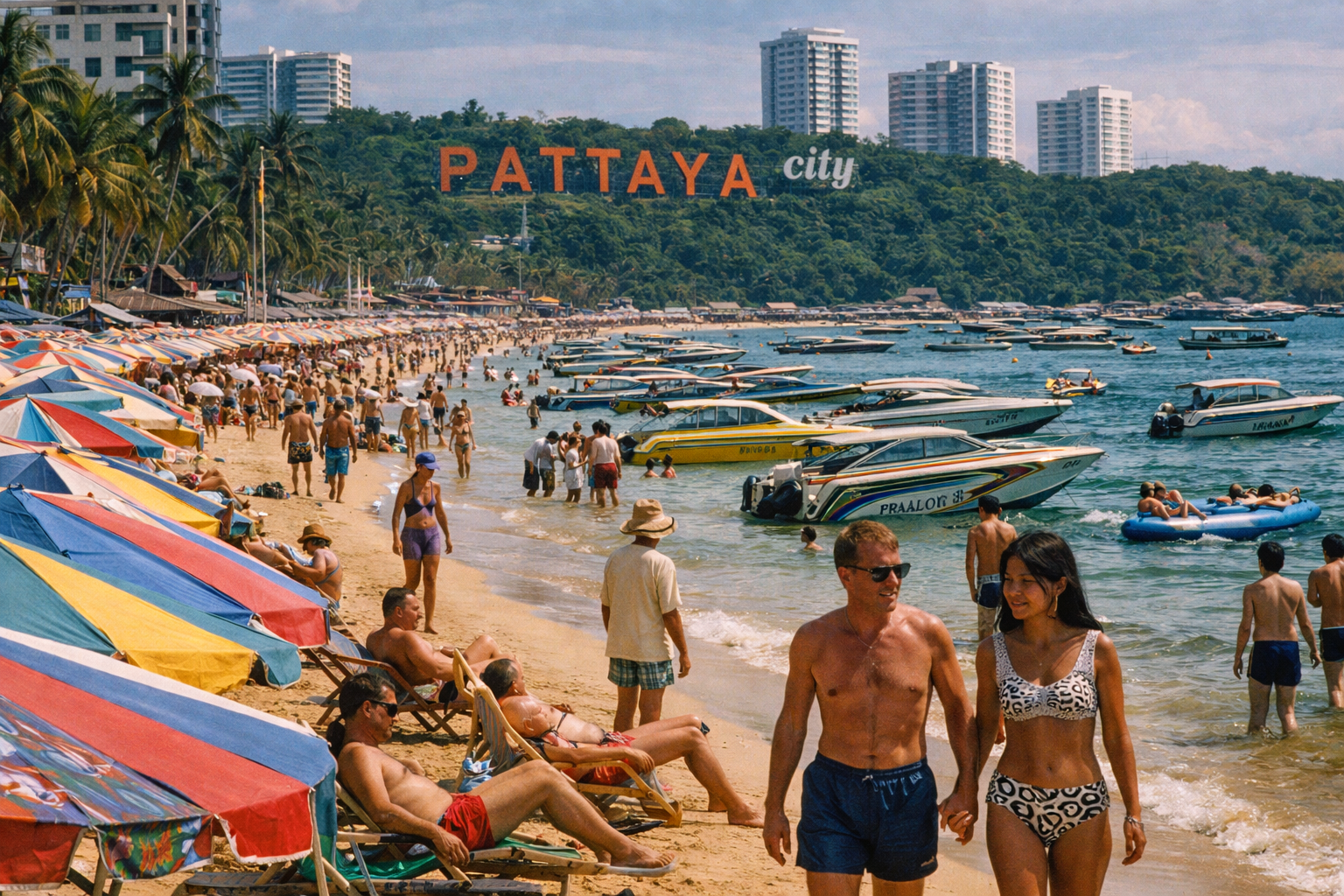
Modern Pattaya is a city of contrasts. Five-star hotels overlook the same bay where fishing boats once anchored. Busy nightlife areas sit beside quiet temples. International restaurants stand where coconut groves used to be. The rhythm of the city never truly stops.
Yet beneath the surface, Pattaya still carries traces of its unusual birth. The international atmosphere, the hospitality-driven economy, the presence of Western food and music, the multilingual signs and the open, easygoing nature of the town all come from its early relationship with American servicemen during the Vietnam War.
Many older residents still remember those years vividly. They remember the trucks arriving with airmen in military fatigues. They remember cooking meals for them, renting their spare rooms, learning English word by word, building their first guesthouses and watching the shoreline change faster than any Thai coastal village in living memory. They remember when electricity came. They remember when modern roads arrived. They remember when Pattaya went from a quiet bay to a name recognized all over the world.
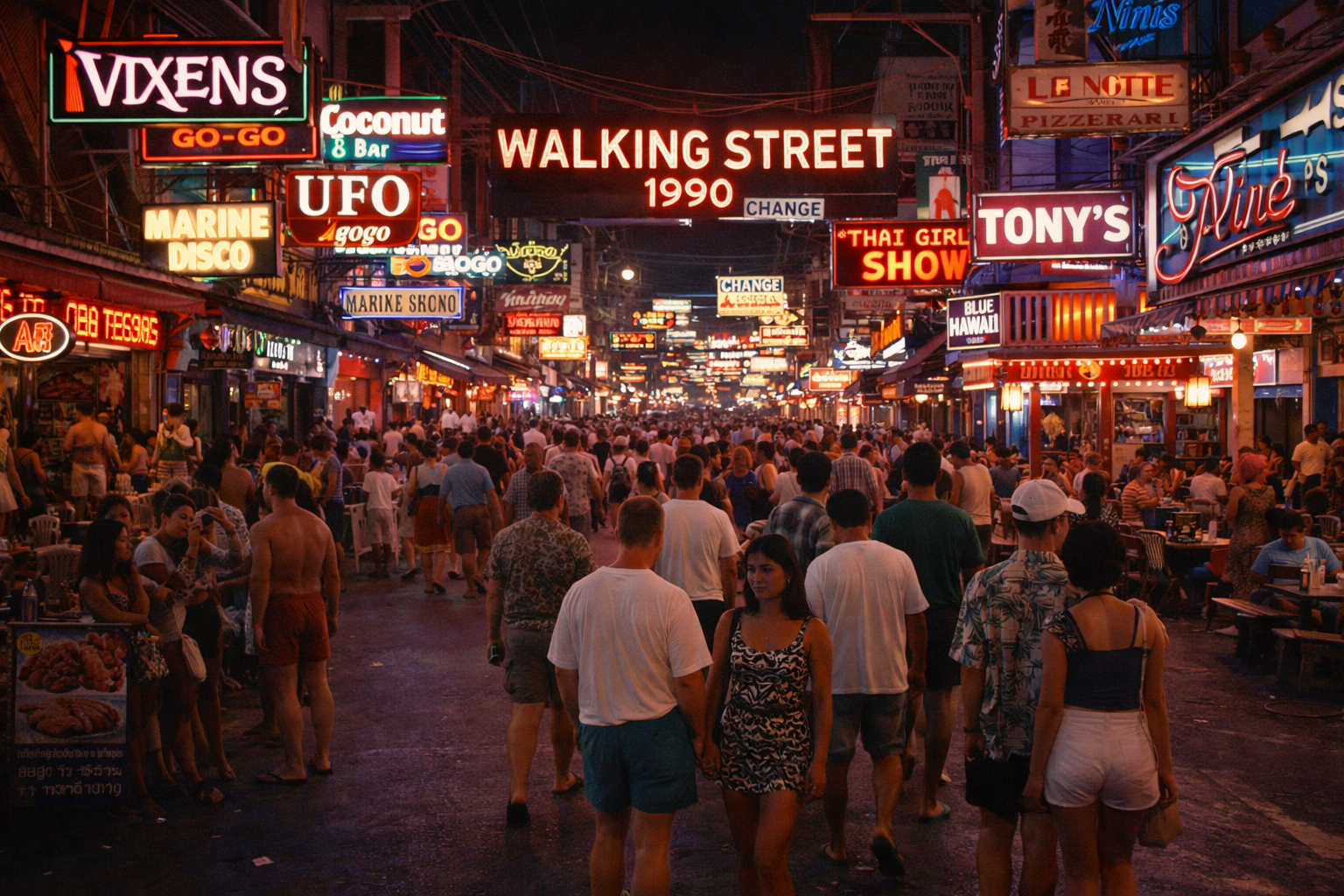
Pattaya exists as it does today because of an accidental collision between history and geography. A global conflict taking place just across the Gulf of Thailand sent thousands of young servicemen in search of rest, and that search transformed a small fishing village into one of Asia’s most famous cities. It is one of the rare examples where a war that brought destruction to many places brought growth to another.
Pattaya’s rise was not planned, not predicted and not controlled. It was born from chance, shaped by human need and carried forward by wave after wave of travelers who saw something special in the sea, the sun and the spirit of this once-silent bay.
กำเนิดจริงของพัทยา
จากอ่าวเงียบสงบสู่เมืองท่องเที่ยวระดับโลก
และเหตุใดสงครามเวียดนามจึงเป็นจุดเปลี่ยนสำคัญ
อ่าวเล็กๆ ที่เงียบงันก่อนที่โลกจะรู้จัก
ก่อนที่พัทยาจะกลายเป็นชื่อที่ดังไปทั่วโลก ชายฝั่งเส้นนี้เคยเป็นเพียงอ่าวสงบที่มีบ้านไม้เรียงรายอยู่ไม่กี่หลัง ชาวบ้านส่วนใหญ่เป็นชาวประมง ออกเรือหาปลากับแสงแรกของวัน กลับมาฝั่งตอนบ่ายพร้อมอวนที่หนักด้วยปลา หมึก ปู และกุ้งทะเล เด็กๆ วิ่งเล่นริมชายหาดใต้ต้นมะพร้าว ชีวิตเรียบง่ายตามจังหวะของลม คลื่น และฤดูกาล
ถ้าย้อนกลับไปในช่วงศตวรรษก่อนหน้า พื้นที่นี้เคยถูกเรียกว่า “ทัพพระยา” ตามเหตุการณ์ในสมัยพระเจ้าตากสินมหาราชที่เคยตั้งค่ายแรมพักในบริเวณนี้ ก่อนที่ชื่อจะค่อยๆ เพี้ยนเป็น “พัทธยา” และ “พัทยา” ในที่สุด แต่แม้จะมีประวัติย้อนไปหลายร้อยปี พัทยาในยุคนั้นก็ยังเงียบเชียบและไม่มีชื่อเสียงใดๆ
ทำเลของไทยและแรงกดดันจากความขัดแย้งใกล้บ้าน
เหตุผลที่พัทยาถูกเปลี่ยนชะตา เกิดจากทำเลที่เหมือนจะธรรมดาแต่กลับสำคัญอย่างยิ่ง อ่าวไทยเปิดรับฝั่งกัมพูชาและเวียดนามโดยตรง ระยะทางไม่ไกลเลย ความตึงเครียดด้านการเมืองของภูมิภาคจึงส่งผลต่อไทยอย่างรวดเร็วเมื่อสงครามเวียดนามเริ่มทวีความรุนแรงขึ้นในทศวรรษ ๒๕๐๓
ไทยไม่ได้เป็นสนามรบ แต่เป็นพันธมิตรสำคัญของสหรัฐอเมริกา รัฐบาลไทยในยุคนั้นอนุญาตให้กองทัพสหรัฐฯ ใช้ฐานทัพอากาศหลายแห่งในประเทศ ไม่ว่าจะเป็นโคราช อุดรธานี อุบลราชธานี ตาคลี นครพนม และที่สำคัญที่สุดคือฐานบินอู่ตะเภาในจังหวัดระยอง ซึ่งตั้งอยู่ไม่ไกลจากพัทยาเลย
ฐานบินอู่ตะเภาเปิดใช้งานในปี ๒๕๐๙ และกลายเป็นศูนย์กลางปฏิบัติการทางอากาศที่สำคัญที่สุดของสหรัฐนอกเวียดนาม มีทั้งเครื่องบินทิ้งระเบิด B-52 เครื่องบินเติมเชื้อเพลิง KC-135 และกำลังพลหลายพันคนหมุนเวียนตลอดเวลา
เมื่อมีทหารจำนวนมหาศาลมาประจำการในไทย สิ่งที่ตามมาคือความต้องการสถานที่พักผ่อนในช่วงลางานหรือที่เรียกว่า R and R ซึ่งนี่คือจุดเริ่มต้นของการเปลี่ยนแปลงครั้งใหญ่ของพัทยา
วันที่การเปลี่ยนแปลงเริ่มต้นขึ้นจริง
จุดเริ่มต้นที่ถูกบันทึกมากที่สุดเกิดขึ้นในเดือนมิถุนายน พ.ศ. ๒๕๐๕ เมื่อทหารอากาศสหรัฐประมาณหนึ่งร้อยนายจากฐานทัพโคราช ได้รับอนุญาตให้ไปพักผ่อนเป็นเวลาไม่กี่วัน คนขับรถชาวไทยที่รู้จักเส้นทางมาก่อนจึงพาไปยังชายหาดที่เงียบสงบในจังหวัดชลบุรี
ชายหาดนั้นคือพัทยา
ในเวลานั้นพัทยายังเป็นเพียงหมู่บ้านไม้สองสามหลังติดทะเล ไม่มีโรงแรม ไม่มีร้านหรู มีเพียงความสงบ เสียงคลื่น และอากาศที่ปลอดโปร่งยิ่งกว่าที่ไหน ทหารพักในบ้านชาวบ้าน กินอาหารทะเลสดที่จับในวันเดียวกัน จิบเบียร์เย็นๆ และนอนหลับไปกับเสียงลมจากอ่าวไทย
พวกเขากลับไปพร้อมความรู้สึกเหมือนได้หลุดออกจากภารกิจหนักชั่วคราว เมื่อกลับถึงฐาน ทุกคนเริ่มเล่าถึงชายหาดเล็กๆ ที่สงบที่สุดเท่าที่เคยเจอ ข่าวนี้แพร่ไปตามฐานทัพอื่นๆ อย่างรวดเร็ว ภายในเวลาไม่นาน ทหารอเมริกันเริ่มหลั่งไหลสู่พัทยาอย่างต่อเนื่อง
พัทยาที่เริ่มขยับตัวตามคลื่นนักท่องเที่ยวยุคแรก
เมื่อนักท่องเที่ยวกลุ่มแรกๆ มาถึงมากขึ้น ชาวบ้านก็เริ่มมองเห็นโอกาสใหม่ รายได้จากการให้เช่าบ้านไม้เพียงไม่กี่คืนกลับสูงกว่าการออกเรือหาปลาหลายวัน หลายครอบครัวเริ่มต่อเติมบ้าน เปิดร้านอาหารเล็กๆ เปิดร้านตัดเสื้อ รับซักรีด และต่อมาคือการเปิดบาร์ริมทะเลยามค่ำคืน
เมื่อฐานบินอู่ตะเภาเปิดใช้งานจริงในปี ๒๕๐๙ ทุกอย่างก็ขยายตัวเร็วยิ่งกว่าเดิม เพราะพัทยาอยู่ห่างจากอู่ตะเภาเพียงไม่กี่สิบกิโลเมตร ทหารจึงเดินทางมาที่นี่ได้ง่ายและสะดวกกว่าไปกรุงเทพฯ
บรรยากาศของเมืองเริ่มเปลี่ยน ดนตรีอเมริกันดังจากลำโพง ไฟฟ้าเริ่มเข้ามาในบ้านเรือนมากขึ้น ร้านอาหารเริ่มเสิร์ฟอาหารฝรั่งร่วมกับอาหารไทย ภาษาอังกฤษเริ่มถูกใช้ทั่วไปมากขึ้น เมืองที่เคยเงียบงันเริ่มคึกคักขึ้นอย่างแทบไม่ทันตั้งตัว
เมืองเล็กที่ขยายตัวเร็วที่สุดแห่งหนึ่งของไทย
ปลายทศวรรษ ๒๕๐๐ และต้น ๒๕๑๐ คือยุคทองแห่งการเติบโตของพัทยา ถนนถูกขยาย ไฟฟ้าเข้ามาครอบคลุมมากขึ้น เกิดเกสต์เฮาส์จำนวนมาก โรงแรมเริ่มผุดขึ้นทีละแห่งสองแห่ง
แม้เมืองจะยังดูเรียบง่าย แต่บรรยากาศกลับมีความเป็นนานาชาติอย่างที่ไม่เคยมีมาก่อน ชาวไทยในพื้นที่คุ้นเคยกับทหารอเมริกัน ออสเตรเลีย และชาติพันธมิตรอื่นๆ การพบปะผู้คนจากทั่วโลกกลายเป็นเรื่องปกติในพัทยา
สิ่งเหล่านี้ทำให้พัทยาเกิดเอกลักษณ์เฉพาะตัวที่แตกต่างจากเมืองชายทะเลอื่นๆ ของไทย
สงครามจบลง แต่พัทยาไม่เคยหยุดเติบโตอีกเลย
เมื่อสงครามเวียดนามยุติลงในปี ๒๕๑๘ และสหรัฐอเมริกาถอนกำลังออกจากไทย หลายคนคิดว่าพัทยาจะซบเซาเพราะไม่มีทหารต่างชาติอีกต่อไป
แต่สิ่งที่เกิดขึ้นตรงกันข้าม
พัทยาโด่งดังไปแล้วในหมู่ชาวต่างชาติ อดีตทหารอเมริกันกลับบ้านพร้อมความทรงจำดีๆ เกี่ยวกับเมืองชายหาดแห่งนี้ หนังสือท่องเที่ยวเริ่มพูดถึงพัทยา นักเดินทางชาวยุโรปและออสเตรเลียเริ่มหลั่งไหลเข้ามา กระแสแบ็กแพ็กเกอร์เติบโตขึ้น ขณะเดียวกันกรุงเทพฯ ก็เติบโตขึ้นอย่างรวดเร็ว ทำให้การหนีความวุ่นวายมาพัทยากลายเป็นเรื่องง่าย
ทศวรรษ ๒๕๒๐–๒๕๓๐ เป็นยุคที่พัทยาขยายตัวแบบก้าวกระโดด โรงแรมใหญ่ๆ ผุดขึ้นตามแนวชายฝั่ง หาดจอมเทียนเริ่มพัฒนาอย่างจริงจัง นักท่องเที่ยวรัสเซีย ยุโรปตะวันออก ตะวันออกกลาง และต่อมาคือชาวจีนเพิ่มขึ้นอย่างต่อเนื่อง เมืองที่ครั้งหนึ่งเคยเป็นหมู่บ้านประมงได้กลายเป็นมหานครท่องเที่ยวอย่างเต็มตัว
อัตลักษณ์พัทยาในวันนี้และเงาที่ทอดยาวมาจากประวัติศาสตร์
วันนี้พัทยาคือเมืองที่ไม่เคยหลับใหล แต่ถ้ามองให้ลึกลงไปในจิตวิญญาณของเมือง คุณยังเห็นรากเหง้าที่เริ่มต้นจากวันแรกที่ทหารอเมริกันมาถึง ไม่ว่าจะเป็นวัฒนธรรมนานาชาติ สภาพเศรษฐกิจแบบบริการเต็มรูปแบบ ร้านอาหารนานาชาติ ความหลากหลายของผู้คน ภาษา และไลฟ์สไตล์ที่เปิดรับผู้มาเยือนจากทุกมุมโลก ทุกอย่างล้วนมีต้นกำเนิดจากยุคสงครามเวียดนาม
คนท้องถิ่นรุ่นเก่าหลายคนยังจำได้ดีถึงวันที่รถทหารถูกขับเข้ามาในหมู่บ้านไม้ คนต่างชาติลงมาจากรถพร้อมรอยยิ้ม พวกเขาจำได้ถึงความเปลี่ยนแปลงรวดเร็ว ช่วงเวลาที่ไฟฟ้า ถนนและกิจการต่างๆ เข้ามา พร้อมๆ กับโอกาสที่ไม่เคยมีมาก่อน
พัทยาในปัจจุบันยังคงสะท้อนจุดเริ่มต้นนั้นอย่างชัดเจน เมืองนี้ไม่ได้เติบโตจากการวางแผนระยะยาวของรัฐ ไม่ได้ค่อยๆ พัฒนาตามธรรมชาติแบบหัวหิน ไม่ได้เติบโตจากวัฒนะแบ็กแพ็กเกอร์แบบเกาะพะงัน แต่เกิดขึ้นมาจากเหตุการณ์ประวัติศาสตร์ระดับโลกที่พลิกชะตาของเมืองเล็กๆ ริมทะเลแห่งนี้
มันคือผลลัพธ์ของสงครามที่เกิดขึ้นใกล้บ้านพอให้ไทยต้องเข้ามามีบทบาท และสงครามนั้นเองที่ผลักดันให้พัทยากลายเป็นเมืองท่องเที่ยวที่มีชื่อเสียงที่สุดแห่งหนึ่งของเอเชีย
หากคุณเดินเล่นบนถนนเลียบชายหาด ฟังเสียงคลื่นปะทะฝั่ง มองดูไฟเมืองที่สะท้อนกับผิวน้ำ คุณกำลังยืนอยู่กลางเรื่องราวที่ไม่เคยถูกวางแผนไว้ เรื่องราวที่เกิดขึ้นเพราะประวัติศาสตร์ลื่นไถลไปในทิศทางที่ไม่มีใครคาดคิด และทำให้พัทยากลายเป็นเมืองที่มีชีวิตชีวาแบบที่เราเห็นในทุกวันนี้
#PattayaHistory
#PattayaThailand
#PattayaOrigin
#VietnamWarHistory
#ThailandWarEra
#UtapaoAirbase
#ThaiHistory
#SoutheastAsiaHistory
#TravelThailand
#VisitPattaya
#EasternSeaboardThailand
#PattayaStory
#ThailandTourism
#HistoricalThailand
#WarAndTourism
#AmazingThailand
#PattayaToday


Categories
- Art
- Business & Work
- Cost of Living
- Crafts
- Culture & Traditions
- Digital Life
- Expat Life
- Farmer Life
- Festivals & Events
- Finance & Banking
- Food & Drink
- Health & Wellness
- Hidden Gems
- History & Heritage
- Language
- Literature
- Nature & Adventure
- Networking
- Nightlife & Entertainment
- Real Estate
- Religion
- School & Education
- Shopping & Markets
- Social Life
- Sports
- Theater & Shows
- Transport
- Travel
- Visas & Immigration
- Other
Read More
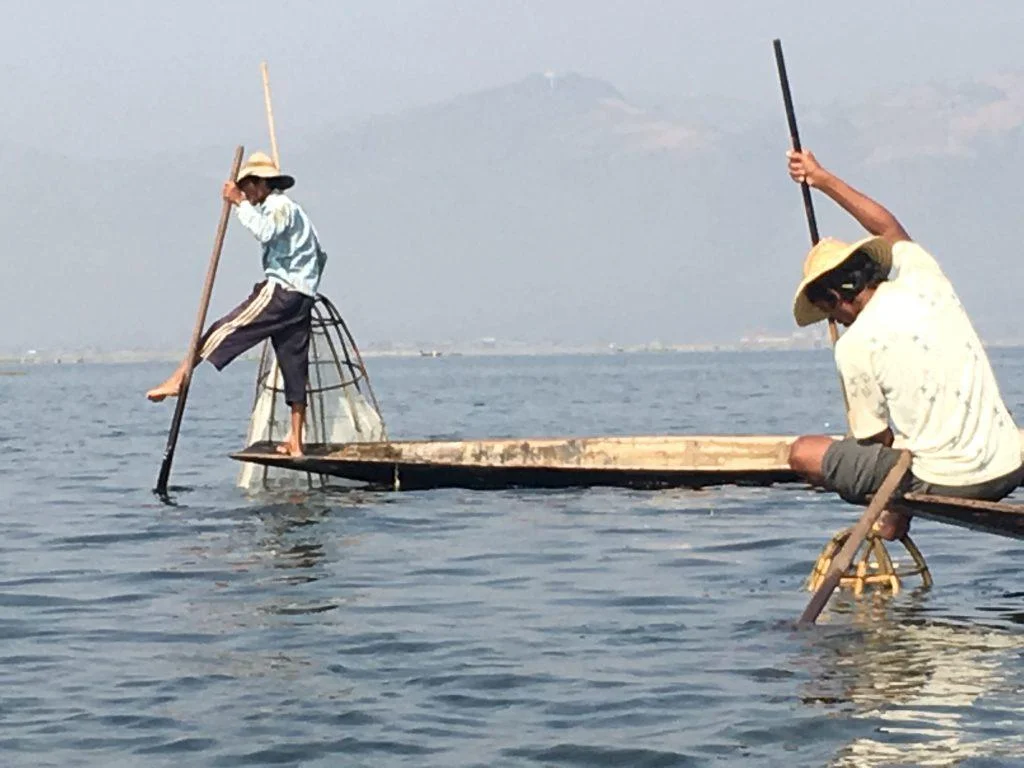
Fisher LIfe: Nestled along Thailand's picturesque coastlines and vibrant waterways is a way of life intricately woven with the ebb and flow of the ocean—the life of Thai fishermen. In this blog, we dive into the fascinating world of Thailand's fisher life, exploring the deep connection between these communities and the bountiful seas that surround the Land of Smiles. Coastal...
Koh Chang - When people think of Thai islands, names like Phuket, Koh Samui, or Koh Phi Phi usually come to mind. But if you're looking to escape the crowds, immerse yourself in raw jungle beauty, and enjoy a perfect blend of adventure and relaxation — Koh Chang might be the paradise you've been searching for. 📍 Where is Koh Chang? Koh Chang (meaning "Elephant Island") is...
Thailand, a land of vibrant culture, breathtaking landscapes, and warm hospitality, has become a beloved destination for people from all corners of the globe. The question often arises: what is it about Thailand that captures the hearts of foreigners? Let's delve into the myriad reasons that make this Southeast Asian gem a perennial favorite among international travelers. Cultural Richness:...
The Logic Behind Thai Street Food Chaos Why it looks unplanned but works perfectly, based on invisible rules of territory, timing, and respect. Thai street food is one of the first things foreigners fall in love with and one of the last things they truly understand. At first glance it looks like pure chaos. Carts parked at impossible angles. Smoke drifting into traffic. Vendors occupying...
PAI, Tucked away in a lush valley of northern Thailand, just a three-hour journey (and 762 curves) from Chiang Mai, Pai has grown from a sleepy farming village into a legendary destination for backpackers, digital nomads, and anyone searching for peace, beauty, and a slower way of life. What makes Pai unique is not just its landscapes but its people, atmosphere, and creative energy. The...