Sukhothai: Thailand's First Kingdom of Balance and Beauty (🇺🇸/🇹🇭)
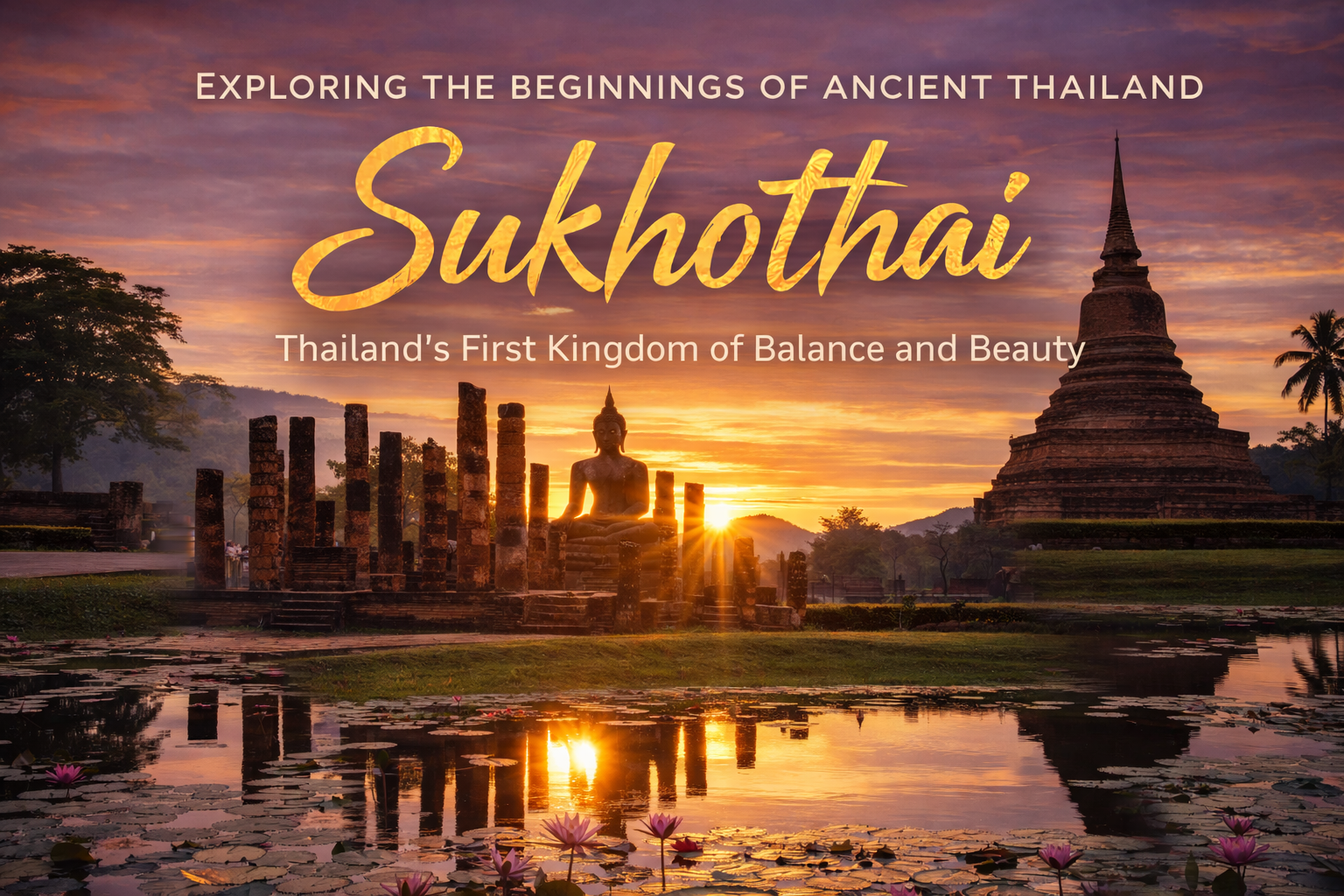
SUKHOTHAI: Thailand's First Kingdom of Balance and Beauty
Sukhothai is not a place that tries to impress you. It does not shout its importance, nor does it dress itself up for modern expectations. Instead, it remains calm, grounded, and quietly confident, like someone who knows exactly who they are and no longer feels the need to prove it. To understand Sukhothai is to understand the emotional and philosophical foundation of Thailand itself, long before Bangkok became a capital, long before speed and survival became daily instincts.
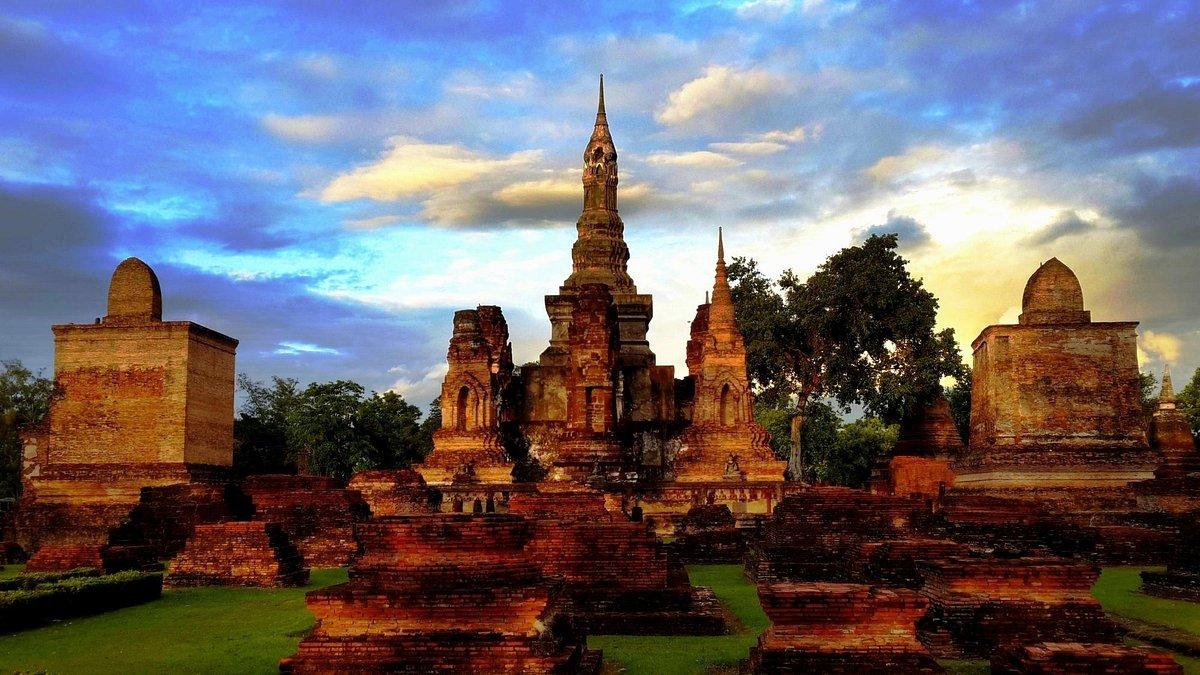
This was the first true Thai kingdom, not merely in political terms, but in mindset. Sukhothai represents the moment when the Thai identity began to form its own language of balance, moderation, and collective harmony. The landscape reflects this perfectly. Wide open plains stretch beneath an enormous sky, interrupted gently by reservoirs, lotus ponds, and ancient brick structures that seem to rise organically from the earth rather than dominate it. Nothing here feels forced. Even the ruins appear to rest rather than crumble.

Walking through Sukhothai Historical Park feels less like touring an archaeological site and more like entering a memory that Thailand itself still carries. The spacing between temples, the alignment with water, the orientation toward mountains and sunlight all reveal a civilization that understood rhythm rather than control. Power here was not expressed through excess. It was expressed through order, proportion, and restraint. The kings of Sukhothai ruled with an ideal that modern Thailand still references, even if it struggles to replicate it.
The famous inscription attributed to King Ramkhamhaeng speaks of a kingdom where there was water in the fields and fish in the canals, where the people could ring a bell at the palace gate if they needed justice. Whether fully literal or partially symbolic, the message is clear. Governance was imagined as something close to the people, responsive, humane, and rooted in moral responsibility. This idea continues to echo through Thai culture today, especially in rural areas where community still outweighs individual ambition.
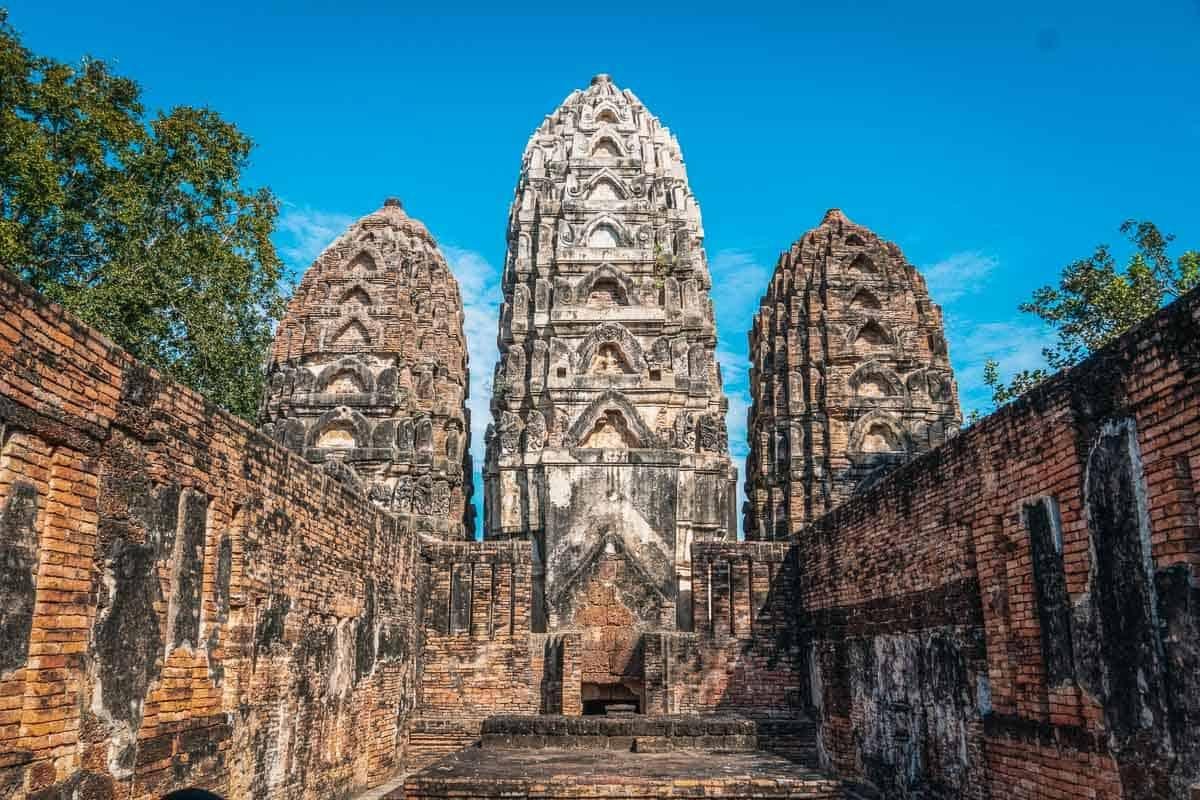
Sukhothai art and architecture reveal the same philosophy. The Buddha images of this era are distinct. Elegant, fluid, almost alive in their posture. The walking Buddha, a form that originated here, captures motion without urgency, progress without aggression. It is a visual metaphor for Thailand’s ideal self-image. Moving forward gently, aware of the ground beneath each step.
Time behaves differently in Sukhothai. There is no pressure to move quickly. Cyclists glide between ruins at dawn, monks walk silently along tree-lined paths, and the soundscape is dominated by wind, birds, and the occasional distant voice. Even tourists tend to lower their volume here, as if instinctively aware that noise would feel out of place. The atmosphere encourages reflection without demanding it.
What makes Sukhothai particularly powerful is not just its history, but its contrast with modern Thailand. Bangkok represents adaptation, negotiation, and survival in a complex global world. Sukhothai represents origin. It reminds visitors that before congestion, compromise, and constant motion, there was a vision of balance. That vision was never fully lost. It simply became harder to access.
Visiting Sukhothai is not about checking landmarks off a list. It is about recalibrating perspective. Understanding why Thai culture values softness over confrontation, patience over urgency, and harmony over domination. These are not modern inventions. They were embedded at the very beginning.
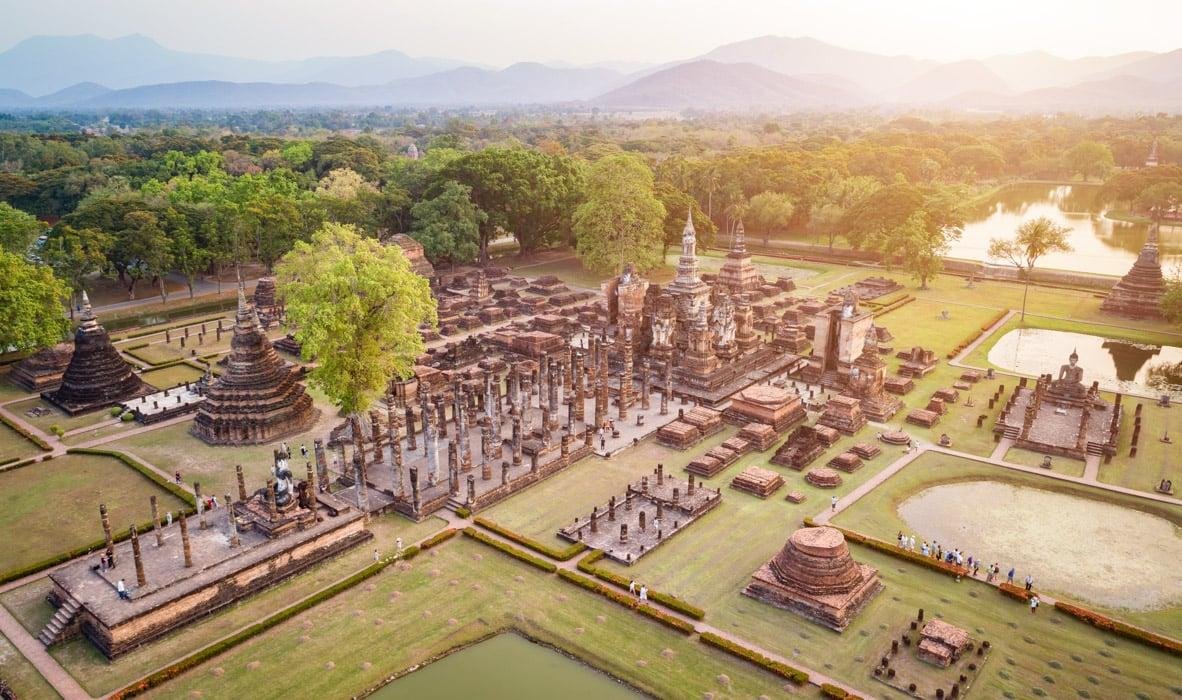
Sukhothai does not try to reclaim relevance. It does not need to. Its relevance is permanent, because it exists beneath everything that came after. The roads, the cities, the systems, the contradictions of modern Thailand all sit on a foundation first imagined here. Quietly. Thoughtfully. Without spectacle.
In Sukhothai, Thailand learned how it wanted to exist in the world. And even now, centuries later, it is still trying to live up to that first idea.
🇹🇭 สุโขทัย: ที่ซึ่งประเทศไทยเรียนรู้วิธีหายใจเป็นครั้งแรก
สุโขทัยไม่ใช่สถานที่ที่พยายามสร้างความประทับใจ มันไม่ประกาศความยิ่งใหญ่ ไม่แต่งตัวให้ทันสมัย และไม่เร่งเร้าให้ใครต้องตื่นตา สุโขทัยนิ่ง สงบ และมั่นคงในตัวเอง ราวกับคนที่รู้จักตัวตนของตนอย่างแท้จริง และไม่จำเป็นต้องพิสูจน์อะไรอีกแล้ว การเข้าใจสุโขทัย คือการเข้าใจรากฐานทางอารมณ์และความคิดของประเทศไทย ก่อนจะมีกรุงเทพฯ ก่อนที่ความเร่งรีบและการเอาตัวรอดจะกลายเป็นเรื่องปกติในชีวิตประจำวัน
นี่คืออาณาจักรไทยแห่งแรก ไม่ใช่แค่ในเชิงการเมือง แต่ในเชิงจิตวิญญาณ สุโขทัยคือจุดเริ่มต้นของอัตลักษณ์ไทยที่ให้ความสำคัญกับความสมดุล ความพอดี และความกลมกลืนของส่วนรวม ภูมิประเทศสะท้อนแนวคิดนี้อย่างชัดเจน พื้นที่ราบกว้าง ท้องฟ้าสูงใหญ่ สระน้ำ ดอกบัว และโบราณสถานอิฐแดงที่ดูเหมือนเติบโตจากผืนดิน มากกว่าจะถูกสร้างขึ้นเพื่อครอบงำ ทุกอย่างดูเป็นธรรมชาติ แม้แต่ซากปรักหักพังก็ดูเหมือนกำลังพักผ่อน ไม่ใช่พังทลาย
การเดินในอุทยานประวัติศาสตร์สุโขทัยให้ความรู้สึกเหมือนเดินเข้าไปในความทรงจำของประเทศ มากกว่าการเยี่ยมชมโบราณสถาน ระยะห่างระหว่างวัด การวางผังเมือง การเชื่อมโยงกับน้ำและภูเขา ล้วนสะท้อนอารยธรรมที่เข้าใจจังหวะชีวิตมากกว่าการควบคุม อำนาจในสุโขทัยไม่ได้แสดงออกผ่านความยิ่งใหญ่ แต่ผ่านความเป็นระเบียบ ความพอดี และความสงบ
ศิลปะและสถาปัตยกรรมสุโขทัยเผยให้เห็นแนวคิดเดียวกัน พระพุทธรูปยุคนี้มีลักษณะอ่อนช้อย เคลื่อนไหวได้ แม้จะหยุดนิ่ง พระพุทธรูปปางลีลา ซึ่งเกิดขึ้นที่นี่ เป็นภาพแทนของการก้าวไปข้างหน้าอย่างไม่เร่งรีบ เป็นสัญลักษณ์ของการพัฒนาโดยไม่ทำร้ายสิ่งรอบตัว
เวลาในสุโขทัยเดินช้าลงอย่างชัดเจน นักปั่นจักรยานเคลื่อนผ่านโบราณสถานยามเช้า พระเดินบิณฑบาตอย่างเงียบงัน เสียงลมและนกกลายเป็นเสียงหลัก แม้แต่นักท่องเที่ยวยังพูดเบาลงโดยไม่รู้ตัว ราวกับเข้าใจว่าสถานที่นี้ไม่ต้องการเสียงดัง
สิ่งที่ทำให้สุโขทัยทรงพลัง ไม่ใช่แค่ประวัติศาสตร์ แต่คือความแตกต่างจากประเทศไทยยุคใหม่ กรุงเทพฯ คือการปรับตัว การต่อรอง และการเอาชีวิตรอดในโลกที่ซับซ้อน สุโขทัยคือจุดเริ่มต้น เตือนให้เห็นว่าก่อนความเร่งรีบและความกดดัน เคยมีวิสัยทัศน์แห่งความสมดุล ซึ่งไม่เคยหายไป เพียงแต่ถูกกลบด้วยความเร็วของโลกสมัยใหม่
การมาเยือนสุโขทัยไม่ใช่การเก็บสถานที่ท่องเที่ยว แต่เป็นการปรับมุมมอง ทำความเข้าใจว่าทำไมวัฒนธรรมไทยจึงให้คุณค่ากับความอ่อนโยน ความอดทน และความกลมกลืน สิ่งเหล่านี้ไม่ได้เกิดขึ้นภายหลัง แต่ถูกฝังไว้ตั้งแต่ต้นกำเนิดของชาติ
สุโขทัยไม่พยายามทวงคืนความสำคัญ เพราะไม่จำเป็น ความสำคัญของมันถาวร อยู่ใต้ทุกถนน เมือง และระบบของประเทศไทยในปัจจุบัน เป็นรากฐานที่เงียบงัน แต่มั่นคง
ที่สุโขทัย ประเทศไทยได้เรียนรู้ว่าตนเองอยากดำรงอยู่ในโลกนี้อย่างไร และแม้เวลาจะผ่านไปหลายศตวรรษ ประเทศนี้ก็ยังคงพยายามกลับไปหาความคิดแรกนั้นอยู่เสมอ
#Sukhothai #ThaiHistory #AncientThailand #ThailandHeritage #SukhothaiKingdom #HistoryThailand #CulturalThailand #ThaiIdentity #VisitThailand #ThailandRoots

Categories
- Art
- Business & Work
- Cost of Living
- Crafts
- Culture & Traditions
- Digital Life
- Expat Life
- Farmer Life
- Festivals & Events
- Finance & Banking
- Food & Drink
- Health & Wellness
- Hidden Gems
- History & Heritage
- Language
- Literature
- Nature & Adventure
- Networking
- Nightlife & Entertainment
- Real Estate
- Religion
- School & Education
- Shopping & Markets
- Social Life
- Sports
- Theater & Shows
- Transport
- Travel
- Visas & Immigration
- Other
Read More
Bangkok is one of the world’s best cities for shopping, offering everything from high-end luxury brands and stylish local designers to bustling street markets filled with bargains. Whether you want to shop in air-conditioned malls, explore trendy night markets, or hunt for souvenirs, Bangkok has it all. 🌟 1. Luxury & High-End Malls These malls are modern, stylish, and filled...

Chiang Mai, nestled among the misty mountains of Northern Thailand, Chiang Mai emerges as a cultural haven and natural paradise. This enchanting city, surrounded by lush landscapes and steeped in history, has earned its place as the jewel of the north. Join us as we embark on a journey to explore the unique charm and diverse offerings that make Chiang Mai a must-visit destination. Cultural...
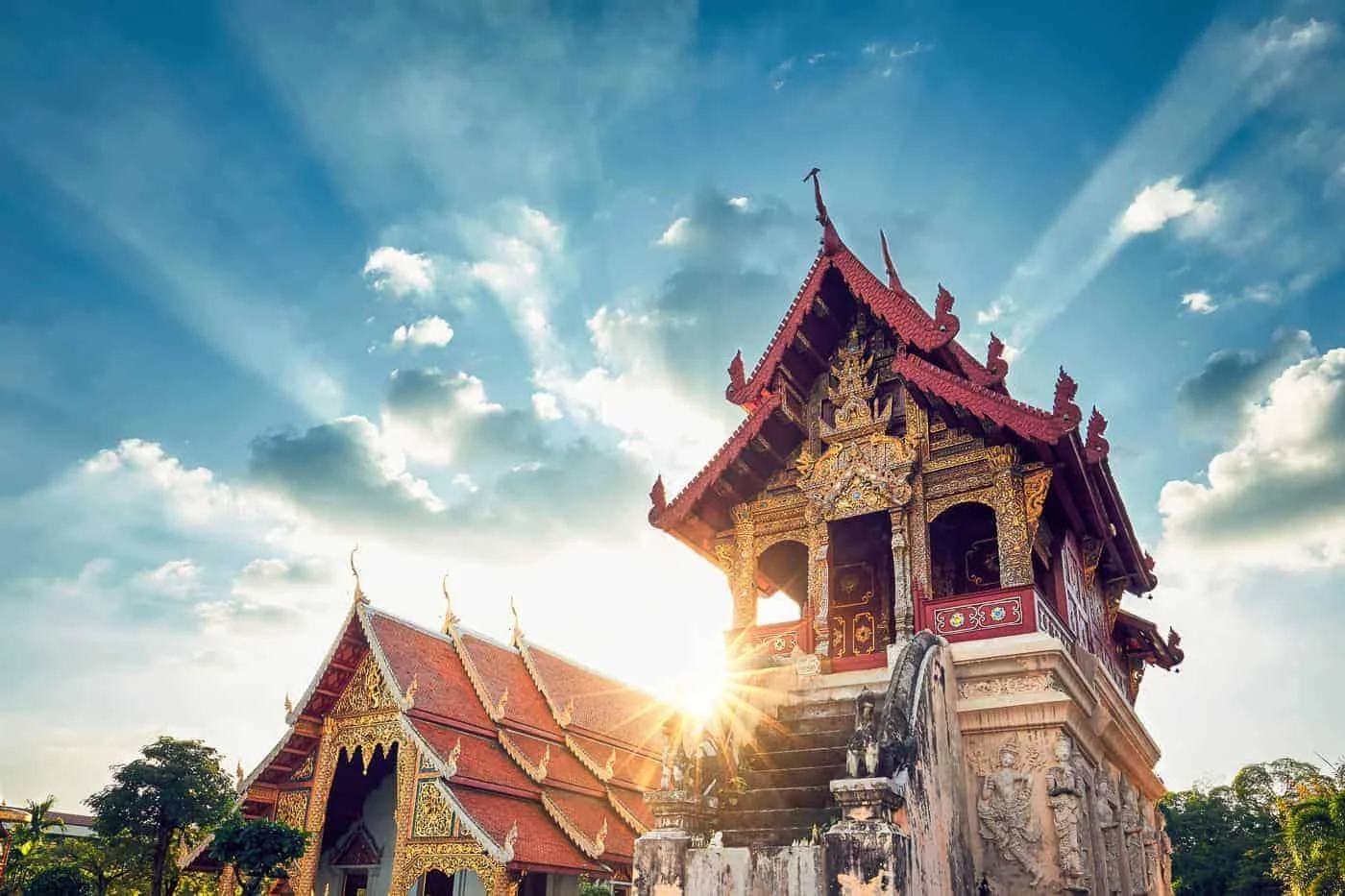
Buddhism, nestled within the heart of Thailand lies a profound spiritual heritage that has shaped the cultural landscape of the nation—the gentle teachings of Buddhism. As the majority religion in Thailand, Buddhism is not just a set of beliefs; it is a way of life that permeates every aspect of Thai society. In this blog, we embark on a spiritual journey to explore the essence of Thai...
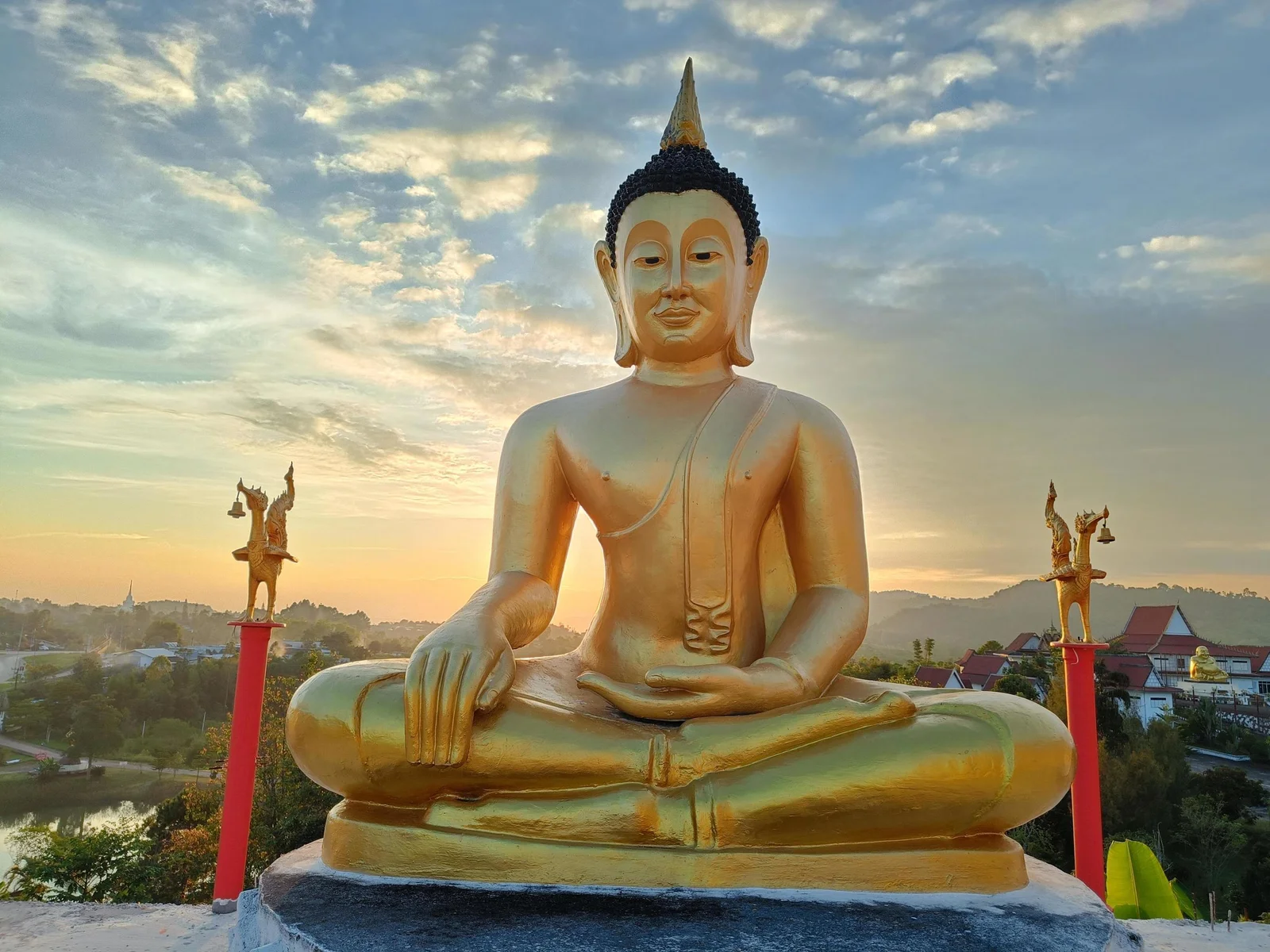
Phi Phi Don stands as a testament to nature's exquisite beauty, captivating travelers with its crystal-clear waters, lush greenery, and vibrant coral reefs. In this blog, we embark on a virtual journey to explore the enchanting island of Phi Phi Don, unraveling its stunning landscapes, vibrant marine life, and the unique experiences that make it a tropical paradise like no other. 1. Tropical...
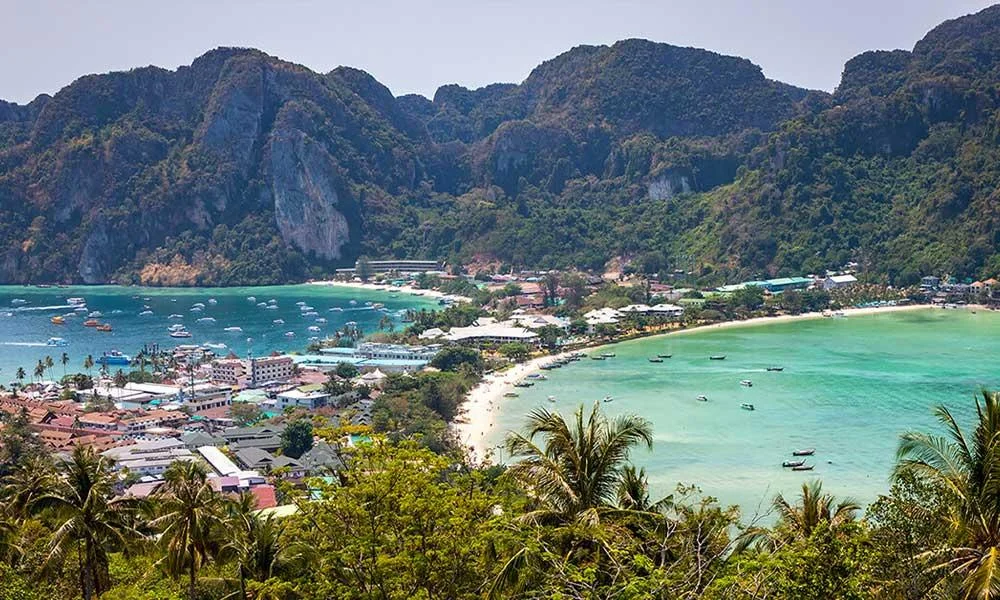
Chiang Mai, with its lush greenery, majestic mountains, and rich cultural heritage, is not only a haven for temple enthusiasts but also an adventure seeker's paradise. If you're looking to add an adrenaline rush to your travel itinerary, Chiang Mai's zipline trips offer a thrilling and unique way to experience the beauty of Northern Thailand. The Thrill of Flight: Embark on an exhilarating...