
The Hmong and Lahu Coffee Revolution in the Mountains (🇺🇸/🇹🇭)
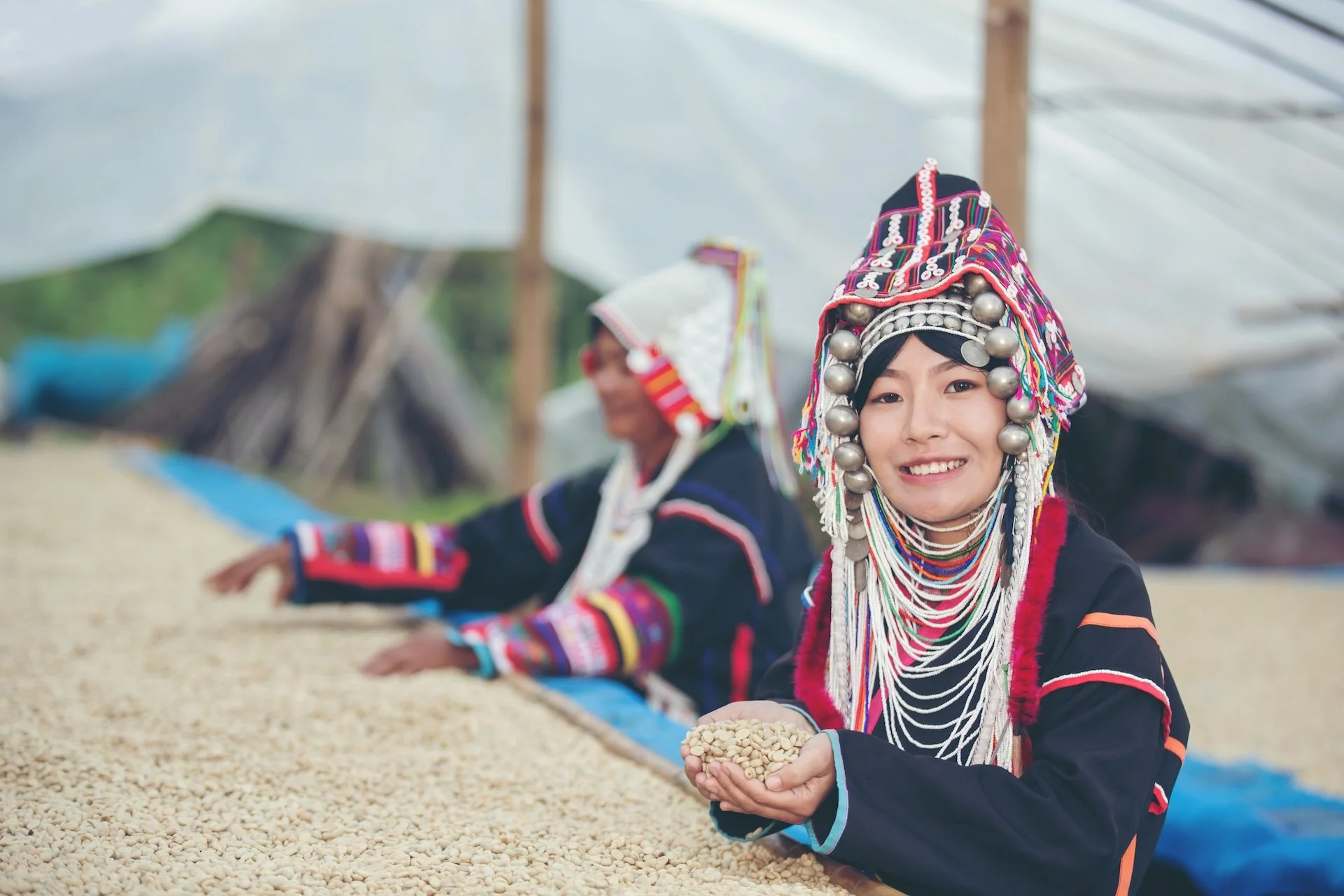
The Hmong and Lahu Coffee Revolution in the Mountains
How Thailand’s Hill Tribes Are Becoming the New Leaders of Specialty Coffee
In the high mountains of Chiang Mai, Chiang Rai, Mae Hong Son, and the border regions toward Myanmar and Laos, something extraordinary is happening. Far from the tourist cafés and trendy roasters in the cities, the Hmong and Lahu ethnic hill tribes are quietly transforming Thailand’s coffee industry. What once began as small community farms has now grown into one of Southeast Asia’s most exciting specialty-coffee revolutions.
The story of this transformation is not only about coffee beans. It is also about identity, empowerment, craftsmanship, and the deep connection these communities have with the land.
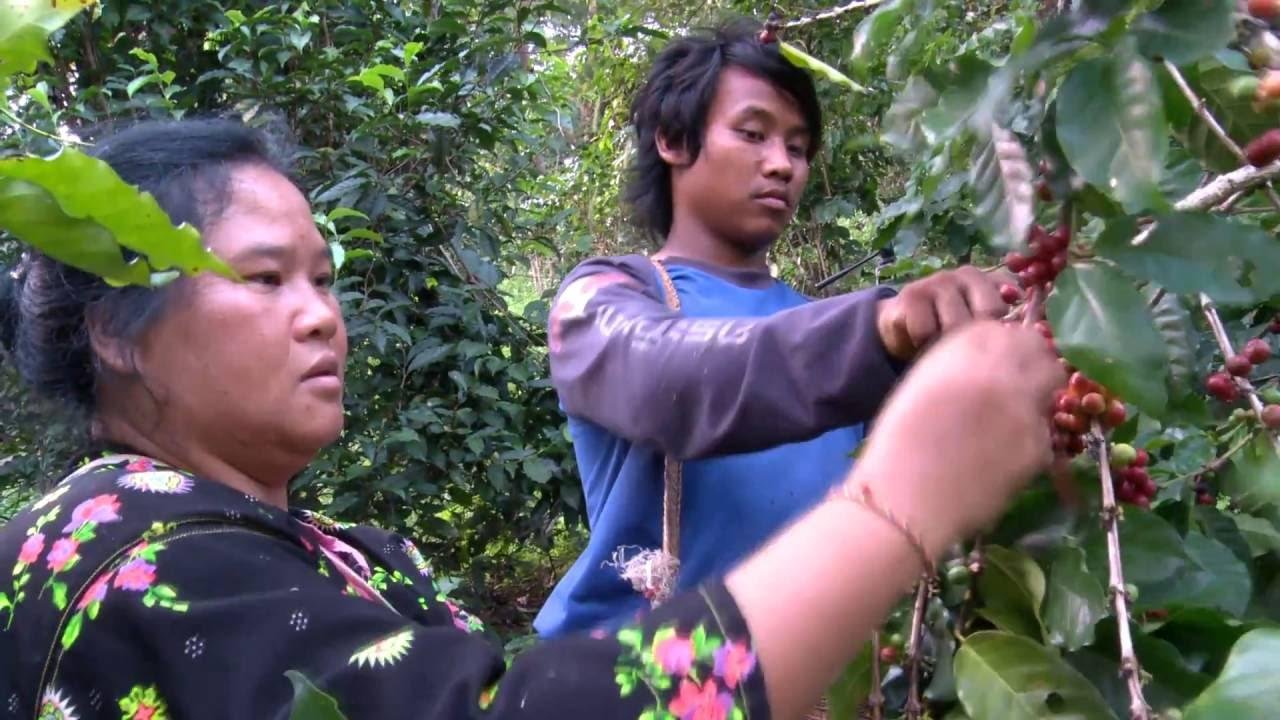
From Opium Fields to Coffee Forests
A Turning Point in Hill-Tribe History
Several decades ago, many highland communities relied on opium cultivation. When the Royal Project Foundation introduced alternative crops, coffee became one of the most successful options. The cool climate, high altitude, and fertile mountain soil created the perfect conditions for growing premium Arabica beans.
Today, fields that once grew opium poppies have been transformed into green coffee forests shaded by tall trees. This shift changed everything. It provided stable income, reduced dependence on unstable crops, and opened doors for global specialty-coffee recognition.
Why Hmong and Lahu Coffee Is So Special
Coffee grown by hill-tribe communities is unique because of the environment and the dedication behind every step of production.
High Altitude
Most Hmong and Lahu coffee farms are located between 1,200 and 1,600 meters above sea level. At this elevation, beans mature slowly, which creates deeper sweetness, higher density, and more complex flavors.
Organic and Forest-Grown
Many communities grow coffee under natural forest canopy. The cherries ripen slowly without chemicals, resulting in cleaner and more vibrant cup profiles.
Handpicked With Precision
Families harvest only fully ripe cherries. This attention to detail is labor-intensive but crucial for producing specialty-grade beans.
Controlled Processing
Over the past 10–15 years, Hmong and Lahu farmers have mastered advanced processing techniques such as natural, honey, anaerobic fermentation, and washed processes. These methods create flavors ranging from fruity and bright to sweet and chocolatey.
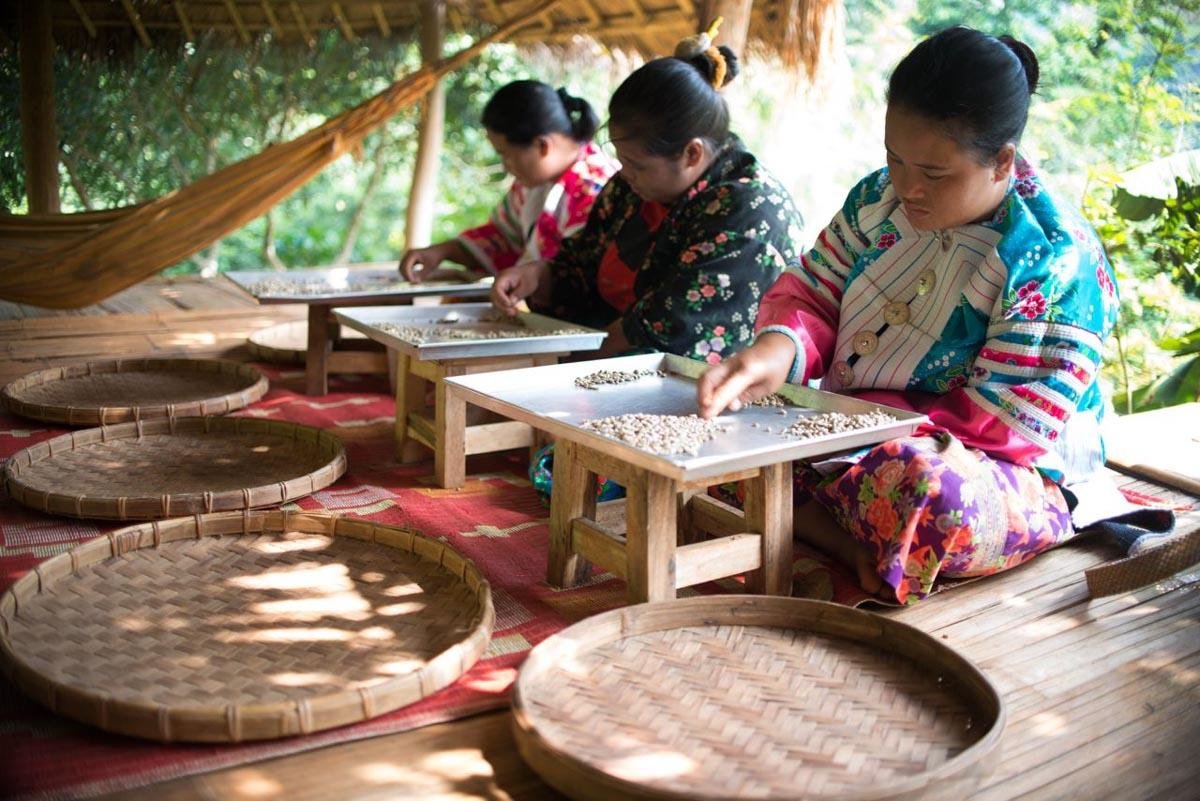
Villages Leading the Coffee Movement
Several remote mountain communities are now known among international buyers and Thai coffee enthusiasts:
Doi Chang (Chiang Rai)
One of the best-known coffee areas in Thailand, originally pioneered by the Akha and Hmong. The region produces some of the country’s most award-winning beans.
Doi Pangkhon (Chiang Rai)
A Lahu-majority area famous for small-batch specialty coffee with strong international demand.
Mae Ethan, Mae Klang Luang, and Khun Chang Khian (Chiang Mai)
Mixed Hmong and Karen villages that have gained attention for high-altitude natural-process coffees.
Doi Sam Muen (Chiang Mai / Mae Hong Son border)
One of the newest but fastest-rising regions, with extremely clean and fruity naturals.
Each village has its own flavor signature, shaped by microclimate, soil, elevation, and local farming techniques.
From Local Farms to International Cups
The Rise of Village Roasters and Coffee Cooperatives
A major part of this revolution comes from increased control over the entire production chain. Many Hmong and Lahu farmers no longer sell their coffee as raw cherries. Instead, they:
Process the beans themselves
Roast the coffee locally
Sell directly to cafés and global buyers
Create small cooperatives to ensure fair income distribution
This shift has elevated their earnings dramatically. It has also given them pride and independence. Instead of being suppliers in a long chain, they have become creators of a final, high-quality product that carries their village’s name.
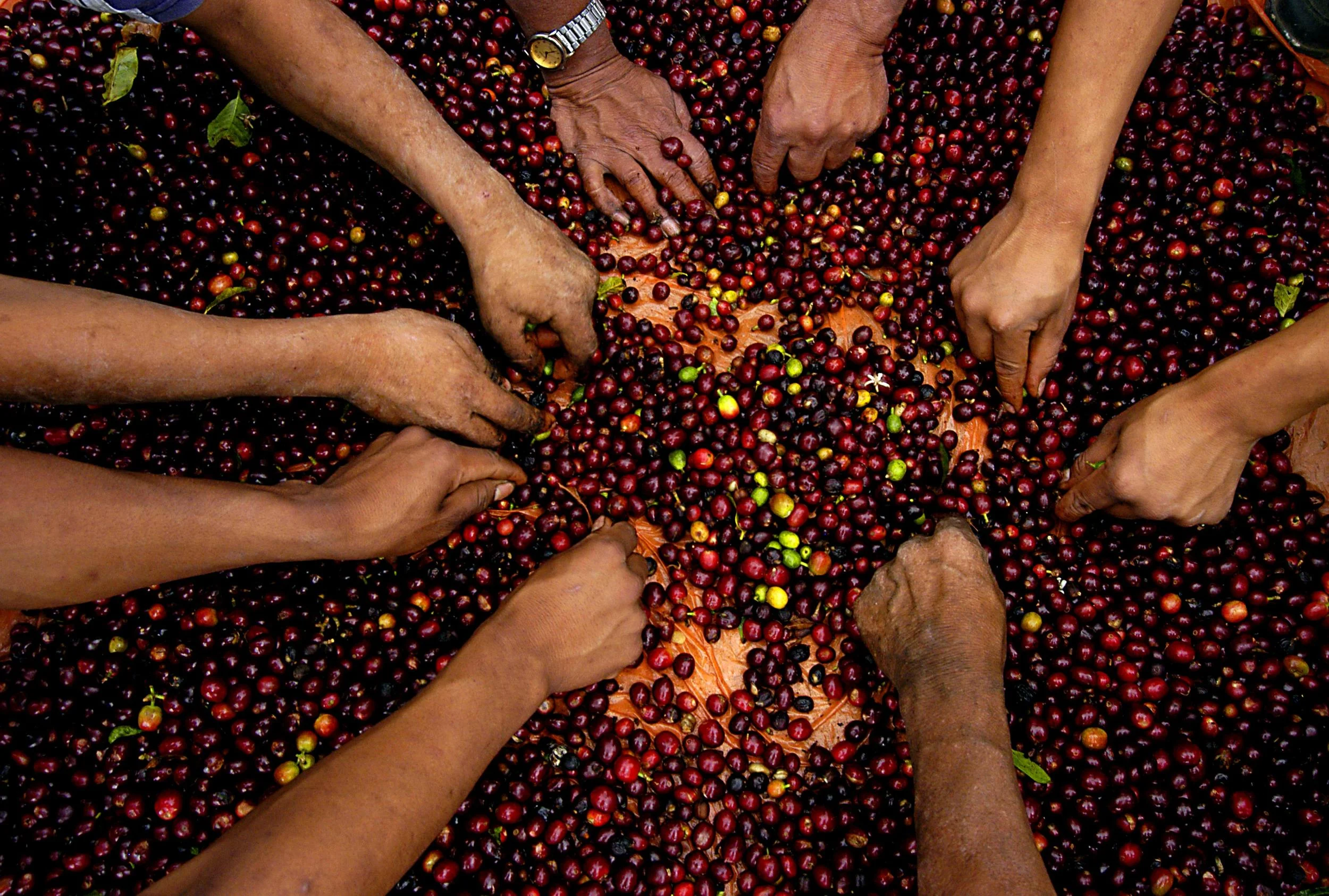
The Human Side of the Coffee Revolution
More Than Just Beans
The growth of specialty coffee in hill-tribe communities has also strengthened education, tourism, and cultural identity. Income from coffee helps families send children to school and supports community development. Many villages now host eco-friendly homestays where visitors can learn about farming, roasting, and tribal traditions.
The coffee itself is a bridge between cultures. Every cup tells a story of the mountains, the climate, and the hands that pick the cherries.
Thailand’s New Identity in the Global Coffee World
As demand for premium and ethical coffee continues to rise worldwide, Thailand is gaining a reputation as a producer of world-class Arabica. International cafés and roasters increasingly feature beans from Doi Chang, Pangkhon, and other tribal villages. Competitions and cupping sessions often highlight Thai coffees scoring 85–90+ points, placing them beside beans from Ethiopia, Colombia, and Panama.
What makes this especially remarkable is that the movement began not in the cities, but in remote mountain villages with limited resources — driven by passion, collaboration, and a strong connection to the land.
Why Travelers Should Explore Coffee Villages
Visiting a Hmong or Lahu coffee village in Northern Thailand offers something rare: a blend of nature, culture, and craftsmanship that cannot be replicated in urban cafés.
Travelers can
walk through coffee forests,
pick cherries during harvest season,
learn the roasting process firsthand,
and taste beans that never reach the mainstream market.
It is one of the most memorable ways to understand Thailand beyond beaches and nightlife — a way to see how traditional communities are shaping the future of specialty coffee.
การปฏิวัติกาแฟของชาวม้งและชาวลาหูในขุนเขา
ชุมชนบนดอยที่กำลังก้าวขึ้นมาเป็นผู้บุกเบิกกาแฟพิเศษของไทย
ในช่วงสิบปีที่ผ่านมา ชื่อของกาแฟไทยเริ่มถูกพูดถึงบนเวทีโลกมากขึ้น โดยเฉพาะจากพื้นที่ภาคเหนืออย่างเชียงใหม่ เชียงราย แม่ฮ่องสอน และน่าน แต่เรื่องที่หลายคนยังไม่รู้คือ กาแฟที่ได้รับคำชมมากมายเหล่านี้ ส่วนใหญ่เกิดจากความทุ่มเทของกลุ่มชาติพันธุ์ที่อาศัยอยู่บนภูเขา เช่น ชาวม้งและชาวลาหู ที่ได้พลิกบทบาทจากผู้ปลูกพืชเชิงเดี่ยวในอดีต มาสู่การเป็นผู้ผลิตกาแฟคุณภาพระดับพรีเมียมอย่างเต็มตัว
จากไร่ฝิ่นสู่ไร่กาแฟ
การเปลี่ยนผ่านที่ยิ่งใหญ่ของชุมชนบนดอย
เมื่อหลายสิบปีก่อน ชุมชนบนภูเขาในภาคเหนือพึ่งพาการปลูกฝิ่นเป็นแหล่งรายได้หลัก จนรัฐบาลและโครงการพระราชดำริของในหลวงรัชกาลที่ 9 เริ่มส่งเสริมการปลูกพืชทดแทน หนึ่งในนั้นคือ "กาแฟอาราบิก้า" ซึ่งเติบโตดีในสภาพอากาศเย็นและระดับความสูงของเทือกเขาไทย ชาวม้งและชาวลาหูจึงเริ่มเรียนรู้การเพาะปลูก ดูแลต้นกาแฟ และเก็บเกี่ยวอย่างพิถีพิถัน จนวันนี้กาแฟจากหมู่บ้านบนดอยหลายแห่ง เริ่มได้รับรางวัลระดับนานาชาติ
ทำไมกาแฟจากหมู่บ้านม้งและลาหูถึงพิเศษ
สิ่งที่ทำให้กาแฟของพวกเขาโดดเด่นมีหลายปัจจัย ได้แก่
ความสูงของพื้นที่เพาะปลูก
หลายพื้นที่ตั้งอยู่ที่ระดับความสูง 1,200 ถึง 1,700 เมตรเหนือระดับน้ำทะเล อากาศเย็นจัดในตอนเช้าและกลางคืน ทำให้ผลกาแฟสุกช้า เมล็ดแน่น และมีรสชาติซับซ้อนมากขึ้น
การเก็บเกี่ยวแบบคัดลูกสุก
ต่างจากพื้นที่ปลูกเชิงอุตสาหกรรม ชาวบ้านจะเลือกเก็บเฉพาะ "เชอร์รี่กาแฟที่สุกเต็มที่" ซึ่งให้รสหวานเป็นธรรมชาติ
การแปรรูปแบบพิเศษ
บางหมู่บ้านใช้วิธี Natural ที่ตากเชอร์รี่ทั้งผล บางแห่งใช้ Honey Process ที่คงความหวานของเมือกกาแฟ และบางพื้นที่พัฒนาเทคนิคใหม่ เช่น Anaerobic Fermentation ซึ่งเพิ่มกลิ่นรสที่โดดเด่นและซับซ้อน
ความรู้จากรุ่นสู่รุ่น
ทุกขั้นตอนตั้งแต่การคั่วเล็กๆ ในบ้านจนถึงการส่งออก ได้พัฒนาขึ้นจากประสบการณ์หลายสิบปี ทำให้กาแฟมีเอกลักษณ์เฉพาะตัวของแต่ละชาติพันธุ์
หมู่บ้านกาแฟที่น่าสนใจ
บริเวณภาคเหนือมีหมู่บ้านบนดอยหลายแห่งที่กำลังโด่งดังด้านกาแฟพิเศษ เช่น
ดอยแม่สลอง (เชียงราย)
เด่นเรื่องกาแฟคั่วใหม่ที่ส่งกลิ่นหอมฟุ้ง และวิธีแปรรูปหลากหลายแบบ
ดอยปางขอน (เชียงราย)
กาแฟจากพื้นที่นี้ได้รางวัลหลายเวที และขึ้นชื่อเรื่องรสชาติผลไม้และกลิ่นดอกไม้ชัดเจน
ดอยสุเทพและแม่แจ่ม (เชียงใหม่)
ชาวม้งหลายหมู่บ้านหันมาพัฒนากาแฟที่ปลูกในป่าแบบ Shade-Grown ทำให้เมล็ดมีความละมุนมากขึ้น
ดอยตุง (เชียงราย–พะเยา)
ตัวอย่างของความสำเร็จจากโครงการพัฒนาชุมชนที่ยั่งยืน ทำให้กาแฟไทยเป็นที่รู้จักในระดับโลก
การเติบโตของกาแฟแบบ Specialty ในไทย
ปัจจุบัน ร้านกาแฟ Specialty ในเชียงใหม่และเชียงรายหลายแห่ง โดยเฉพาะร้านเล็กๆ ที่คั่วเอง กำลังสร้างชื่อให้กาแฟชาวม้งและลาหูอย่างต่อเนื่อง นักท่องเที่ยวที่สนใจกาแฟเริ่มเดินทางขึ้นดอยเพื่อไปเยี่ยมชมสวนกาแฟ ดูกระบวนการแปรรูป และลิ้มลองรสชาติที่มาจากต้นกำเนิดจริงๆ
นอกจากนี้ ยังมีการส่งออกเมล็ดกาแฟไทยไปยังญี่ปุ่น เกาหลี ออสเตรเลีย และยุโรปมากขึ้น ทำให้กาแฟไทยเริ่มมีที่ยืนในตลาดโลก นับเป็นความสำเร็จที่เกิดจากความมุ่งมั่นของชุมชนบนภูเขา ที่ต้องการสร้างรายได้อย่างยั่งยืนและรักษาผืนป่าพร้อมกัน
อนาคตของชุมชนกาแฟบนดอยไทย
สิ่งที่น่าจับตามองต่อไปคือ
-
การพัฒนาพันธุ์กาแฟใหม่
-
การปรับวิธีแปรรูปเพื่อสร้างรสชาติแตกต่าง
-
การทำแบรนด์ระดับหมู่บ้าน
-
การท่องเที่ยวเชิงกาแฟที่เติบโตขึ้นเรื่อยๆ
ไม่เพียงแต่กาแฟไทยจะได้ชื่อเสียงเพิ่มขึ้น ชุมชนบนภูเขาเองก็เริ่มมีรายได้มั่นคงขึ้น เด็กๆ ในหมู่บ้านมีโอกาสในการศึกษา และวิถีชีวิตที่ใกล้ชิดธรรมชาติยังคงถูกสืบสานต่อไป
กาแฟจากชาวม้งและชาวลาหูจึงไม่ใช่แค่สินค้าทางการเกษตรธรรมดา แต่เป็นเรื่องราวของความหวัง การพัฒนา และภูมิปัญญาที่ซ่อนอยู่ในขุนเขาของภาคเหนือ
#ThailandCoffee #HmongCoffee #LahuCoffee #DoiChang #Pangkhon #SpecialtyCoffee #NorthernThailand #ThaiArabica #CoffeeCultureThailand #MountainCoffee #SustainableFarming #HiddenThailand #ThailandTravel

Categories
- Art
- Business & Work
- Cost of Living
- Crafts
- Culture & Traditions
- Digital Life
- Expat Life
- Farmer Life
- Festivals & Events
- Finance & Banking
- Food & Drink
- Health & Wellness
- Hidden Gems
- History & Heritage
- Language
- Literature
- Nature & Adventure
- Networking
- Nightlife & Entertainment
- Real Estate
- Religion
- School & Education
- Shopping & Markets
- Social Life
- Sports
- Theater & Shows
- Transport
- Travel
- Visas & Immigration
- Other
Read More
Chiang Mai, Nestled in the mountainous landscapes of Northern Thailand, Chiang Mai is a city that breathes culture at every corner. From its ancient temples to vibrant festivals, the cultural richness of Chiang Mai is a tapestry woven with threads of tradition, spirituality, and modern influences. In this exploration, we embark on a journey through the diverse facets of Chiang Mai's culture,...
THE REAL ORIGIN OF PATTAYAHow a Silent Shoreline Became Thailand’s Most Famous Tourism City. And Why the Vietnam War Was the Spark That Changed Everything A Quiet Bay Before the World Arrived Before Pattaya became a global name, it existed in a kind of quiet anonymity. The coastline curved softly into the Gulf of Thailand, framed by coconut palms, sandy shallows and a few clusters of...

Khao Kho - If you’re looking for a place that combines the cool mountain breeze, panoramic views, misty mornings, and rich historical significance, Khao Kho might just be your next favorite escape. Nestled in Phetchabun Province, about 5–6 hours from Bangkok, Khao Kho is one of Thailand’s best-kept secrets. 📍 What is Khao Kho? Khao Kho is both a mountain and a district located...
Thai Markets. Step into the heart of Thailand, and you'll find yourself surrounded by a symphony of colors, aromas, and lively chatter—the iconic Thai markets. These bustling hubs are not just places to shop; they are vibrant cultural arenas where locals and visitors alike come together to experience the rich tapestry of Thai life. In this blog, we explore the enchanting world of Thai...
E-SAN Music Festival 2026, Khon Kaen. The Complete Guide for Music & Culture Lovers The E-SAN Music Festival is one of Thailand’s most unique and authentic cultural music events, an experience blending nature, art, freedom, and the unmistakable soul of Isan culture. For 2026, the festival returns bigger, greener, and louder than ever. If you love outdoor festivals, indie vibes,...