Muay Thai, an Ancient Art Born From Survival (🇺🇸/🇹🇭)

Muay Thai, An Ancient Art Born From Survival
Muay Thai is not something that was invented for entertainment or competition. It was born from survival. Centuries ago, when the Kingdom of Siam was frequently at war, soldiers needed a way to defend themselves when weapons were lost or broken. The human body became the final weapon. From this reality emerged Muay Boran, the ancient ancestor of Muay Thai, a raw and unforgiving system designed for real combat. Every strike had purpose. Every movement was meant to protect life or end a fight decisively.
Over time, as the nation stabilized and wars became less frequent, these techniques slowly moved away from the battlefield. What once was a method of survival transformed into a respected discipline practiced at temples, village festivals, and royal events. Muay Thai began its journey from necessity to national identity.

The Warriors of History and Legend
Thai history is deeply intertwined with Muay Thai heroes whose stories are still told today. Among them, Nai Khanom Tom stands above all. Captured during a conflict with Burma, he was ordered to fight Burmese champions in front of the enemy king. One by one, he defeated them, not with brute force alone, but with technique, balance, and spirit. His victories earned him freedom and immortality in Thai culture.
This story is not just a legend. It represents how Muay Thai is seen in Thailand. Not simply as fighting, but as courage, intelligence, and inner strength. Every Thai fighter carries this legacy into the ring, consciously or not.
The Ritual That Separates Muay Thai From All Other Sports
Before the first strike is thrown, something sacred happens. The Wai Kru Ram Muay begins. This ritual dance is one of the most powerful symbols of Muay Thai culture. Fighters bow to the four corners of the ring, honoring their teacher, their family, their ancestors, and the place where they stand. The movements are slow, controlled, and deeply personal, often passed down from master to student.
This moment transforms the ring from a sporting arena into something spiritual. It reminds everyone present that Muay Thai is built on respect. Respect for knowledge. Respect for lineage. Respect even for the opponent who stands across from you.
The traditional music that accompanies the fight grows louder as the match intensifies. Drums and wind instruments follow the rhythm of the action, creating an atmosphere that feels timeless. It connects modern fighters to warriors from centuries past.
The Art of Eight Limbs and the Mind Behind It
Muay Thai is often described as the art of eight limbs, using fists, elbows, knees, and shins. But reducing it to techniques alone misses the essence. What truly defines Muay Thai is control. Control of the body. Control of fear. Control of emotion.
A true Muay Thai fighter is taught to stay calm under pressure. Aggression exists, but it is disciplined. Power is important, but balance and timing are essential. Pain is not something to be feared, but something to be understood and managed.
This mindset is why Muay Thai fighters often appear composed even in the most brutal exchanges. They are not just trained to fight. They are trained to endure.
Life Inside a Thai Boxing Camp
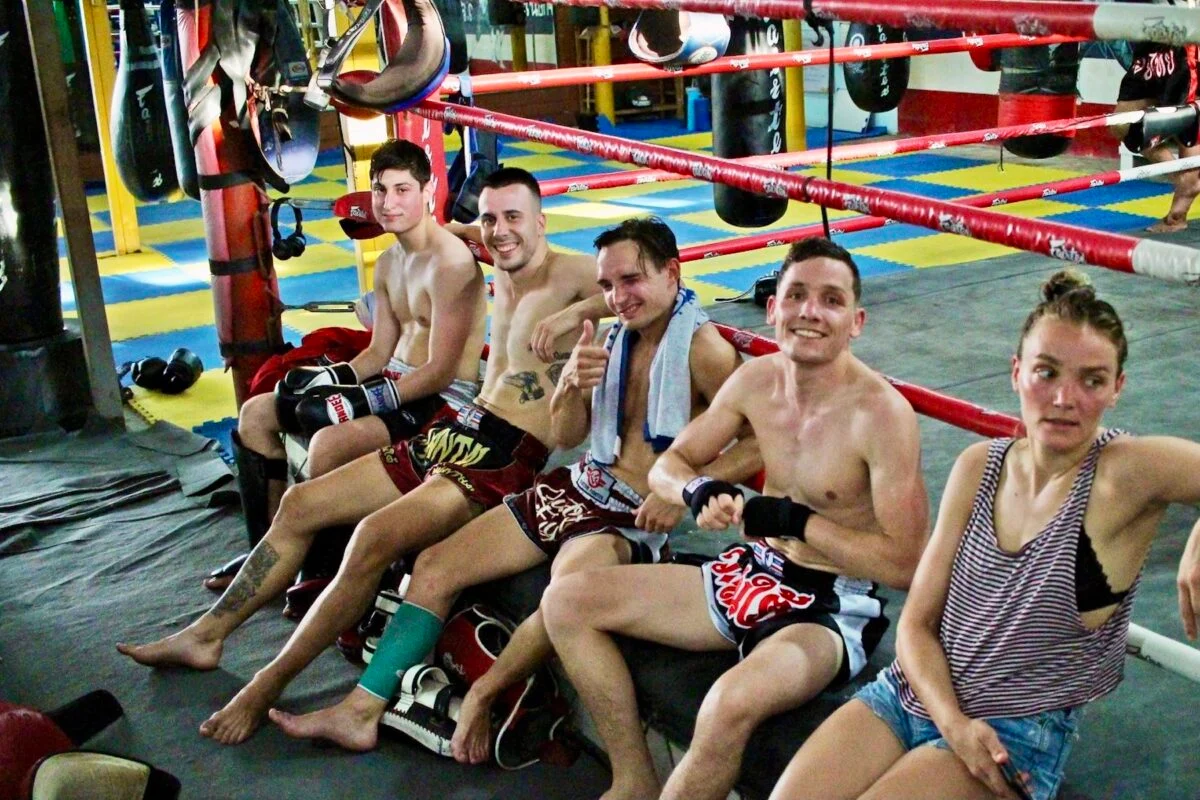
For many Thai fighters, Muay Thai begins in childhood. Training camps become a second family. Days start early with long runs before sunrise, followed by hours of pad work, clinching, and conditioning. The routine is demanding and repetitive, yet deeply purposeful.
These camps are not glamorous. They are places of sweat, discipline, and humility. Yet within them exists a powerful sense of belonging. Fighters eat together, train together, suffer together. Success is shared. Failure is accepted and learned from.
Foreigners who come to train in Thailand often speak about this environment as life changing. Not because it is easy, but because it strips away excuses and ego. Everyone, regardless of background, must earn respect through effort.
The Stadium Experience and the Soul of the Crowd
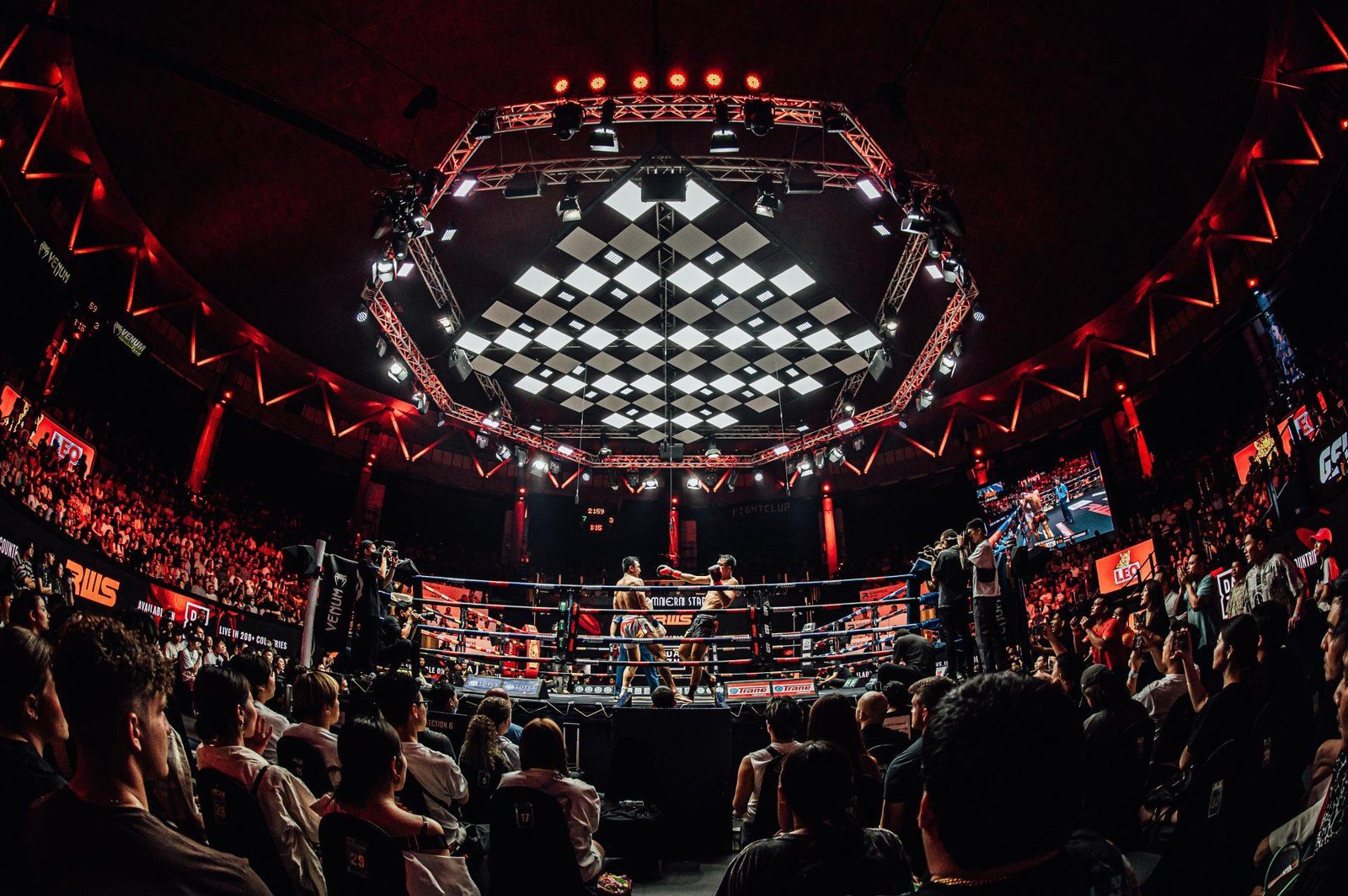
Watching Muay Thai live in Thailand is unlike watching it anywhere else in the world. In stadiums like Rajadamnern or Lumpinee, or in small provincial arenas, the energy is electric. The crowd understands the sport deeply. They react not only to visible strikes, but to balance, control, and psychological dominance.
Betting plays a visible role, with hand signals flashing through the crowd, adding another layer of intensity. Silence can fall suddenly, followed by explosive reactions in seconds. The fight becomes a conversation between fighters, music, and audience.
For visitors, this experience is unforgettable. It is raw, emotional, and deeply authentic.
Why Every Foreigner Should Experience Muay Thai Once
To experience Muay Thai in Thailand is to step into the heart of the country’s culture. Whether through watching a fight or training in a gym, it offers insight into values that define Thai society. Respect for teachers. Patience through hardship. Strength without arrogance.
Many tourists arrive curious about Muay Thai and leave transformed by it. Not because they learned how to fight, but because they learned something about themselves. About limits. About discipline. About resilience. Muay Thai does not promise comfort. It promises growth.
A Living Tradition in a Modern World
Today, Muay Thai is global. Fighters from all over the world come to Thailand to train, compete, and learn. International promotions broadcast fights worldwide. Yet despite this modernization, the soul of Muay Thai remains untouched.
Rituals are still performed. Trainers still emphasize respect before victory. Fighters still bow before stepping into the ring. The balance between ancient tradition and modern sport is what keeps Muay Thai alive and powerful.
More Than a Sport, a Reflection of Thailand
Muay Thai is a mirror of Thailand itself. Strong but gentle. Fierce yet respectful. Rooted in history while moving forward. It carries the stories of warriors, farmers, children, and champions across generations.
To witness Muay Thai is to witness the heartbeat of Thailand. To experience it, even once, is to carry a piece of that spirit with you forever.
มวยไทย
ศิลปะแห่งการต่อสู้ที่ถือกำเนิดจากการเอาชีวิตรอด
มวยไทยไม่ได้ถือกำเนิดขึ้นเพื่อความบันเทิงหรือการแข่งขัน หากแต่เกิดจากความจำเป็นในการเอาชีวิตรอด ย้อนกลับไปหลายร้อยปีก่อน ในยุคที่อาณาจักรสยามต้องเผชิญกับสงครามและการปกป้องแผ่นดิน นักรบจำเป็นต้องใช้ร่างกายของตนเองเป็นอาวุธ เมื่อดาบหรือหอกไม่อาจใช้งานได้อีกต่อไป จากจุดนั้นเอง มวยโบราณได้ถือกำเนิดขึ้น เป็นระบบการต่อสู้ที่โหด แข็งแกร่ง และมีประสิทธิภาพ ทุกการเคลื่อนไหวมีเป้าหมาย ทุกการโจมตีมีความหมาย
เมื่อกาลเวลาผ่านไป สงครามลดน้อยลง มวยโบราณค่อย ๆ เปลี่ยนบทบาทจากสนามรบสู่เวทีการแสดงในงานประเพณี งานบุญ และพระราชพิธี จนพัฒนาเป็นมวยไทยในรูปแบบที่เรารู้จักกันในปัจจุบัน กลายเป็นศิลปะประจำชาติที่สะท้อนตัวตนของคนไทยอย่างแท้จริง
วีรบุรุษในตำนานและจิตวิญญาณนักสู้
ประวัติศาสตร์ไทยเต็มไปด้วยเรื่องราวของนักมวยผู้กล้าหาญ และชื่อของนายขนมต้มยังคงถูกกล่าวขานมาจนถึงทุกวันนี้ หลังจากถูกจับเป็นเชลยศึก เขาถูกบังคับให้ขึ้นชกต่อหน้านักสู้พม่าหลายคน และสามารถเอาชนะได้ทั้งหมดด้วยฝีมือและจิตใจที่แข็งแกร่ง เรื่องราวนี้ไม่ใช่เพียงตำนาน แต่เป็นสัญลักษณ์ของความอดทน ความกล้า และสติปัญญาแบบไทย
ทุกครั้งที่นักมวยไทยก้าวขึ้นสังเวียน พวกเขาแบกรับเรื่องราวเหล่านี้ไว้ในใจ ไม่ใช่เพื่อความรุนแรง แต่เพื่อแสดงศักดิ์ศรีและเกียรติยศของผู้ฝึกฝนศิลปะแห่งนี้
พิธีกรรมที่ทำให้มวยไทยแตกต่างจากทุกกีฬา
ก่อนเสียงระฆังดังขึ้น จะมีช่วงเวลาหนึ่งที่เงียบสงบและศักดิ์สิทธิ์ นั่นคือการไหว้ครูรำมวย นักมวยจะค่อย ๆ เคลื่อนไหวด้วยความตั้งใจ เพื่อแสดงความเคารพต่อครูบาอาจารย์ บิดามารดา บรรพบุรุษ และคู่ต่อสู้ พิธีกรรมนี้ไม่ใช่เพียงการแสดง แต่เป็นการตั้งจิตให้พร้อมและเชื่อมโยงอดีตกับปัจจุบัน
เสียงดนตรีปี่กลองที่บรรเลงประกอบการชกจะค่อย ๆ เร่งเร้าไปตามจังหวะของการต่อสู้ สร้างบรรยากาศที่เข้มข้นและทรงพลัง เป็นเสียงที่ทำให้มวยไทยยังคงมีชีวิตและลมหายใจของวัฒนธรรมดั้งเดิม
ศิลปะแปดอวัยวะและจิตใจนักมวย
มวยไทยถูกขนานนามว่าเป็นศิลปะแห่งแปดอวัยวะ ใช้หมัด ศอก เข่า และแข้ง แต่สิ่งที่สำคัญยิ่งกว่าพละกำลังคือการควบคุมจิตใจ นักมวยไทยถูกสอนให้มีสติ รู้จักอดทน และควบคุมอารมณ์ภายใต้ความกดดัน
ความเจ็บปวดไม่ใช่สิ่งที่ต้องกลัว แต่เป็นสิ่งที่ต้องเรียนรู้และเข้าใจ ความแข็งแกร่งที่แท้จริงจึงไม่ได้อยู่ที่การโจมตี แต่อยู่ที่ความนิ่ง ความสมดุล และการตัดสินใจในเสี้ยววินาที
ชีวิตในค่ายมวยไทย
สำหรับนักมวยไทยหลายคน ค่ายมวยคือบ้านหลังที่สอง เด็กไทยจำนวนมากเริ่มฝึกมวยตั้งแต่อายุยังน้อย ชีวิตประจำวันเต็มไปด้วยวินัย การตื่นเช้าซ้อมวิ่ง การฝึกซ้ำแล้วซ้ำเล่า และการอดทนต่อความเหนื่อยล้า
ค่ายมวยอาจไม่หรูหรา แต่เต็มไปด้วยความผูกพัน นักมวยใช้ชีวิตร่วมกัน ฝึกซ้อมร่วมกัน และเติบโตไปด้วยกัน ความสำเร็จไม่ใช่ของใครคนหนึ่ง แต่เป็นของทั้งค่าย
ชาวต่างชาติที่เข้ามาฝึกมวยในประเทศไทยมักพูดตรงกันว่า ประสบการณ์นี้เปลี่ยนชีวิต ไม่ใช่เพราะความหนักหน่วงของการฝึกเท่านั้น แต่เพราะมันสอนให้รู้จักถ่อมตนและเคารพกระบวนการ
เสน่ห์ของสนามมวยและเสียงเชียร์
การชมมวยไทยสดในประเทศไทยเป็นประสบการณ์ที่ยากจะลืม ไม่ว่าจะเป็นสนามใหญ่ในกรุงเทพฯ หรือสนามเล็กในต่างจังหวัด บรรยากาศเต็มไปด้วยอารมณ์และพลัง ผู้ชมเข้าใจมวยอย่างลึกซึ้ง รับรู้ถึงจังหวะ การคุมเกม และความเหนือชั้นทางจิตใจ
เสียงเชียร์ เงียบงัน และปฏิกิริยาของผู้ชม ทำให้การชกแต่ละยกมีชีวิต เป็นการสื่อสารระหว่างนักมวย ดนตรี และคนดูอย่างแท้จริง
เหตุผลที่ชาวต่างชาติควรสัมผัสมวยไทยสักครั้งในชีวิต
มวยไทยไม่ใช่แค่กีฬาที่ต้องดู แต่เป็นวัฒนธรรมที่ต้องรู้สึก การได้ฝึกหรือชมมวยไทยในประเทศไทยทำให้เข้าใจคุณค่าของความเคารพ ความอดทน และความพยายาม
นักท่องเที่ยวจำนวนมากกลับบ้านพร้อมกับร่างกายที่แข็งแรงขึ้น และจิตใจที่มั่นคงขึ้น มวยไทยไม่ได้สอนให้เป็นนักสู้ในเวทีเท่านั้น แต่สอนให้เป็นนักสู้ในชีวิต
มรดกที่ยังมีชีวิตในโลกสมัยใหม่
แม้มวยไทยจะก้าวสู่เวทีโลก มีการแข่งขันระดับนานาชาติและการถ่ายทอดสดไปทั่วโลก แต่หัวใจของมันยังคงเหมือนเดิม พิธีกรรมยังคงอยู่ ความเคารพยังคงเป็นรากฐาน และครูมวยยังคงเป็นศูนย์กลางของศิลปะนี้
มวยไทยมากกว่ากีฬา คือภาพสะท้อนของประเทศไทย
มวยไทยสะท้อนความเป็นไทยอย่างลึกซึ้ง แข็งแกร่งแต่สุภาพ ดุดันแต่เคารพผู้อื่น ยึดมั่นในรากเหง้าและพร้อมก้าวไปข้างหน้า
การได้สัมผัสมวยไทยแม้เพียงครั้งเดียว คือการได้สัมผัสหัวใจของประเทศไทย และเป็นประสบการณ์ที่จะติดอยู่ในความทรงจำไปตลอดชีวิต
#มวยไทย #MuayThai
#ThaiBoxing #มวยไทยคือชีวิต
#วัฒนธรรมไทย #ThaiCulture
#ศิลปะการต่อสู้ #MartialArts
#WaiKru #ไหว้ครู
#RamMuay #รำมวย
#ArtOfEightLimbs #ศิลปะแปดอวัยวะ
#MuayThaiLife #ชีวิตนักมวย
#MuayThaiCulture #วัฒนธรรมมวยไทย
#MuayThaiThailand #มวยไทยประเทศไทย
#ThaiHeritage #มรดกไทย
#ThaiTradition #ประเพณีไทย

หมวดหมู่
- Art
- Business & Work
- Cost of Living
- Crafts
- Culture & Traditions
- Digital Life
- Expat Life
- Farmer Life
- Festivals & Events
- Finance & Banking
- Food & Drink
- Health & Wellness
- Hidden Gems
- History & Heritage
- ภาษา
- Literature
- Nature & Adventure
- Networking
- Nightlife & Entertainment
- Real Estate
- Religion
- School & Education
- Shopping & Markets
- Social Life
- Sports
- Theater & Shows
- Transport
- Travel
- Visas & Immigration
- อื่นๆ
อ่านเพิ่มเติม
HOW TO EXPERIENCE THE REAL THAILANDA WARM GUIDE FOR TRAVELLERS WHO WANT MORE THAN CHECKLISTS There are two kinds of journeys in life.The first is the one you plan on a screen, where everything is coloured by ratings, reviews, hashtags, top ten charts and someone’s filtered sunset taken fifteen minutes before a tropical rainstorm ruined their hair. The second journey is the one that begins...
Ayutthaya, Nestled along the banks of the Chao Phraya River, Ayutthaya stands as a testament to Thailand's rich cultural and historical legacy. The ancient city, once the capital of the Kingdom of Ayutthaya, was a flourishing center of trade, culture, and power for over four centuries. In this blog post, we will embark on a journey through time to unravel the captivating history of...
The Old Tattoo Masters Who Practice Non Commercial Sak Yant Sacred Traditions Tourists Rarely Witness Thailand is famous worldwide for sak yant tattoos. Images of celebrities getting intricate designs from monks or ajarns appear everywhere online. Tourists travel to temples hoping to receive a spiritual blessing tattoo. Studios in Bangkok and Chiang Mai offer sak yant in hygienic and modern...
Iced Coffee and Chilled DrinksThe Everyday Rhythm of Thailand in a Cup A Country That Drinks Cold, All Day Long In Thailand, iced coffee is not a trend, a lifestyle choice, or a specialty drink. It is simply part of daily life. From the first hours of the morning until late at night, cold drinks are everywhere. They are carried on motorbikes, held in plastic cups with colorful straws, placed...
Chiang Rai beckons travelers with its serene landscapes, rich cultural heritage, and a distinctive charm that sets it apart from its bustling neighbors. In this blog, we embark on a journey to explore the tranquil beauty of Chiang Rai, uncovering its hidden gems, cultural treasures, and the enchanting allure that makes it a must-visit destination. 1. The White Elegance of Wat Rong Khun (The...