Thai Family Traditions: Nurturing the Heart of Thai Culture (🇺🇸/🇹🇭)
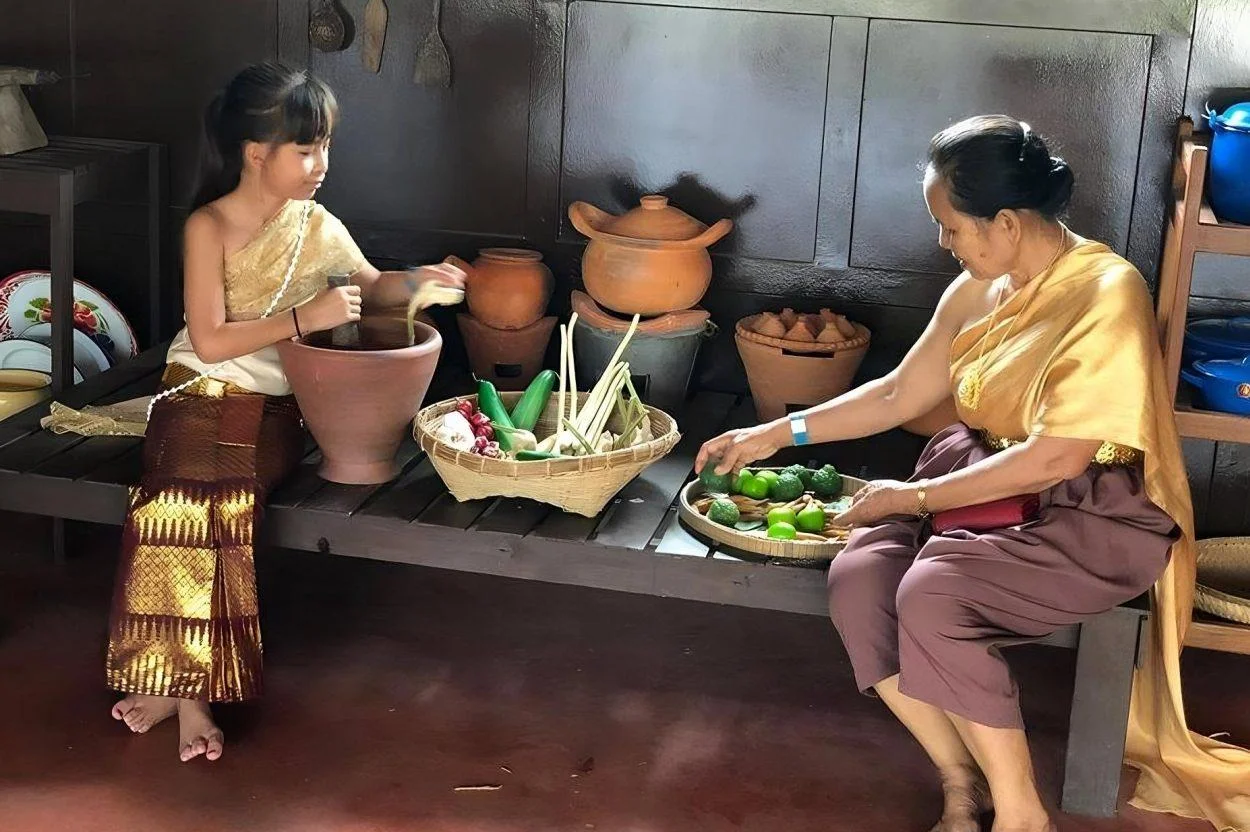
Family Traditions: In the heart of Thailand's rich cultural tapestry lies a set of cherished traditions that have been passed down through generations—Thai family traditions. These customs play a vital role in shaping the identity of Thai families, fostering close-knit bonds, and preserving the values that define the Land of Smiles. In this blog, we will delve into the time-honored Thai family traditions that continue to weave the fabric of familial warmth and togetherness.
- Respect for Elders:
At the core of Thai family values is the deep respect for elders. Children are taught from a young age to honor and care for their parents and grandparents. The traditional gesture of "wai," a slight bow with hands pressed together, is a symbol of respect commonly used to greet elders. Family members often seek advice and guidance from their elders, fostering a sense of wisdom and continuity.
- Family Meals:
Sharing meals is a sacred tradition in Thai families. It goes beyond nourishing the body; it nourishes the soul and strengthens familial bonds. Thai families often gather for meals, enjoying a variety of flavorful dishes. The communal act of sharing food reinforces a sense of unity and provides an opportunity for open communication and connection.
- Annual Family Reunions:
Thais place great importance on family reunions, especially during festivals and holidays. Songkran, the Thai New Year, is a time when families come together to celebrate, pay respects to their elders, and engage in traditional rituals. Loy Krathong, another significant festival, also serves as a time for families to reunite, express gratitude, and float beautifully decorated krathongs in rivers and lakes.
- Spiritual Practices:
Many Thai families engage in spiritual practices, incorporating Buddhism into their daily lives. Making merit, visiting temples, and participating in religious ceremonies are common family activities. These practices instill a sense of morality, compassion, and interconnectedness among family members.
- Ceremonies and Celebrations:
Life events such as weddings, birthdays, and religious ceremonies are celebrated with great joy and festivity. These occasions bring families together, allowing them to share in the joy of significant milestones. Traditional ceremonies often involve rituals that symbolize unity, prosperity, and blessings for the future.
- Sense of Collective Responsibility:
Thai families embrace a strong sense of collective responsibility. Family members support each other through challenges, offering emotional and practical assistance. It is not uncommon for multiple generations to live under one roof, creating a support system that ensures the well-being of all family members.
- Teaching Cultural Values:
Parents play a crucial role in passing down cultural values to the younger generation. Through stories, proverbs, and daily interactions, children learn about the importance of kindness, humility, and gratitude. These values contribute to the harmonious coexistence of individuals within the family and society.
Conclusion:
Thai family traditions are the threads that weave the intricate fabric of Thai culture. Rooted in respect, love, and a strong sense of interconnectedness, these customs have stood the test of time. As Thailand continues to embrace modernity, the preservation of these family traditions remains essential in nurturing the heart of Thai identity and fostering the enduring spirit of familial warmth and togetherness.
__________________
ประเพณีครอบครัวในไทย: การปลูกฝังเส้นใจของวัฒนธรรมไทย
ในกลางใจของลวดลายวัฒนธรรมของประเทศไทยนั้น มีชุดของประเพณีที่เป็นที่รักที่ผ่านมาทางกาลกับการเป็นที่รักของครอบครัวไทย พิธีประเพณีเหล่านี้เล่นหน้าที่สำคัญในการสร้างรูปแบบของครอบครัวไทย, กระตุ้นความสนิทสนม, และสืบสานค่านิยมที่กำหนดระบบแห่งรอยยิ้ม ในบทความนี้, เราจะศึกษาเพิ่มเติมเกี่ยวกับประเพณีครอบครัวที่มีมาอย่างยาวนานของไทยที่ยังคงทอผ้าของความอบอุ่นและความร่วมมือในครอบครัว
- เคารพผู้สูงอายุ:
ที่ใจของค่านิยมของครอบครัวไทยคือความเคารพอย่างลึกซึ้งสำหรับผู้สูงอายุ เด็กๆถูกสอนตั้งแต่น้อยว่าต้องนับถือและดูแลพ่อแม่และปู่ย่า การทำท่าไหว้ ("ไหว้") ที่ให้กว้างเล็กน้อยพร้อมกับมือที่แหวนอยู่กับกันเป็นสัญลักษณ์ของความเคารพที่สามารถใช้ในการทักทายผู้สูงอายุ สมาชิกครอบครัวที่มักจะค้นหาคำปรึกษาและคำแนะนำจากผู้สูงอายุ, เพิ่มเติมความรู้สึกของสติปัญญาและต่อเนื่อง
- มื้ออาหารครอบครัว:
การแบ่งปันมื้ออาหารเป็นประเพณีที่นับถือในครอบครัวไทย มันไม่เพียงทำให้ร่างกายหล่อเลี้ยง, แต่ยังทำให้วิภาวดีและเสริมแกร่งความสัมพันธ์ในครอบครัว ครอบครัวไทยมักจะรวมตัวกันเพื่อทานอาหาร, สนุกกับเมนูอาหารที่หลากหลาย การแบ่งปันอาหารเป็นกิจกรรมที่ส่งเสริมความอบอุ่นและการสื่อสารอย่างเปิดเผยและเชื่อมโยง
- การเจรจาครอบครัวประจำปี:
ครอบครัวไทยให้ความสำคัญมากในการเจรจาครอบครัว, โดยเฉพาะในช่วงเทศกาลและวันหยุด สงกรานต์, ปีใหม่ไทย, เป็นเวลาที่ครอบครัวมารวมตัวกันเพื่อเฉลิมฉลอง, นับถือผู้สูงอายุ, และมีพิธีการแบบดั้งเดิม ลอยกระทง, เทศกาลที่สำคัญอีกเทศกาลหนึ่ง, ยังเป็นเวลาที่ครอบครัวมีโอกาสที่จะพบปะกัน, แสดงความกรุณา, และลอยกระทงที่ตกแต่งอย่างสวยงามในแม่น้ำและทะเล
- ปฏิบัติทางศาสนา:
ครอบครัวมีส่วนสำคัญในการปฏิบัติทางศาสนา, นำพาศาสนาพุทธลงในชีวิตประจำวัน การทำบุญ, การเยี่ยมวัด, และการร่วมพิธีทางศาสนาเป็นกิจกรรมครอบครัวที่ทั่วไป การปฏิบัติเหล่านี้เสริมสร้างความมีนิยม, ความเมตตา, และความเชื่อมโยงระหว่างสมาชิกครอบครัว
- พิธีกรรมและการเฉลิมฉลอง:
เหตุการณ์ในชีวิต เช่น งานแต่งงาน, วันเกิด, และพิธีทางศาสนา มักถูกเฉลิมฉลองด้วยความรื่นเริงและเฉลิมฉลอง โอกาสนี้ช่วยให้ครอบครัวมารวมตัวกัน, ทำให้พวกเขาได้ร่วมสนุกกับความสุขของเหตุการณ์ที่สำคัญ พิธีกรรมแบบดั้งเดิมบ่งชี้ให้เห็นถึงความสามัคคี, ความร่ำรวย, และการให้พรในอนาคต
- ความรับผิดชอบแบบกลุ่ม:
ครอบครัวไทยยอมรับความรับผิดชอบแบบกลุ่มอย่างเข้มงวด สมาชิกครอบครัวสนับสนุนกันผ่านทางท้ายทางหลายด้าน, ให้การช่วยเหลือทั้งในด้านอารมณ์และด้านปฏิบัติ ไม่แปลกใจที่มีบ้านเดียวกันสำหรับหลายพรุ่งนี้, สร้างระบบสนับสนุนที่รักษาความสุขของสมาชิกครอบครัวทุกคน
- การสอนค่านิยมทางวัฒนธรรม:
พ่อแม่เล่นหน้าที่สำคัญในการส่งต่อค่านิยมทางวัฒนธรรมให้กับรุ่นหน้า ผ่านทางนิทาน, สุภาพสู้สุภาพ, และการปฏิวัติประจำวัน, เด็กๆได้เรียนรู้ถึงความสำคัญของความกรุณา, ความเท่, และความขอบคุณ ค่านี้มีส่วนในการเป็นผู้อยู่ร่วมสมัยที่มีความสอดคล้องกันในครอบครัวและในสังคม
สรุป:
ประเพณีครอบครัวไทยคือเส้นใยที่ทอผ้าวัฒนธรรมที่ซับซ้อน ซึ่งซึมซับค่านิยมของความเคารพ, ความรัก, และความเชื่อมโยงอันแข็งแกร่ง แม้ว่าประเทศไทยจะยังคงท้าทายต่อการเปลี่ยนแปลงทางเทคโนโลยี, การรักษาประเพณีครอบครัวเหล่านี้มีความสำคัญในการเสริมสร้างอัตลักษณ์ไทยและในการส่งเสริมจิตวิญญาณที่อบอุ่นและความเป็นกันเองในครอบครัว
Категории
- Art
- Business & Work
- Cost of Living
- Crafts
- Culture & Traditions
- Digital Life
- Expat Life
- Farmer Life
- Festivals & Events
- Finance & Banking
- Food & Drink
- Health & Wellness
- Hidden Gems
- History & Heritage
- Языки
- Literature
- Nature & Adventure
- Networking
- Nightlife & Entertainment
- Real Estate
- Religion
- School & Education
- Shopping & Markets
- Social Life
- Sports
- Theater & Shows
- Transport
- Travel
- Visas & Immigration
- Другое
Больше
Family Traditions: In the heart of Thailand's rich cultural tapestry lies a set of cherished traditions that have been passed down through generations—Thai family traditions. These customs play a vital role in shaping the identity of Thai families, fostering close-knit bonds, and preserving the values that define the Land of Smiles. In this blog, we will delve into the time-honored...
Pattaya, nestled along the Gulf of Thailand, Pattaya beckons travelers with its vibrant blend of coastal charm, electrifying nightlife, and a myriad of recreational activities. Once a quiet fishing village, Pattaya has evolved into a bustling destination that caters to a diverse range of visitors. In this blog post, we'll explore the allure of Pattaya and uncover the reasons why this coastal...

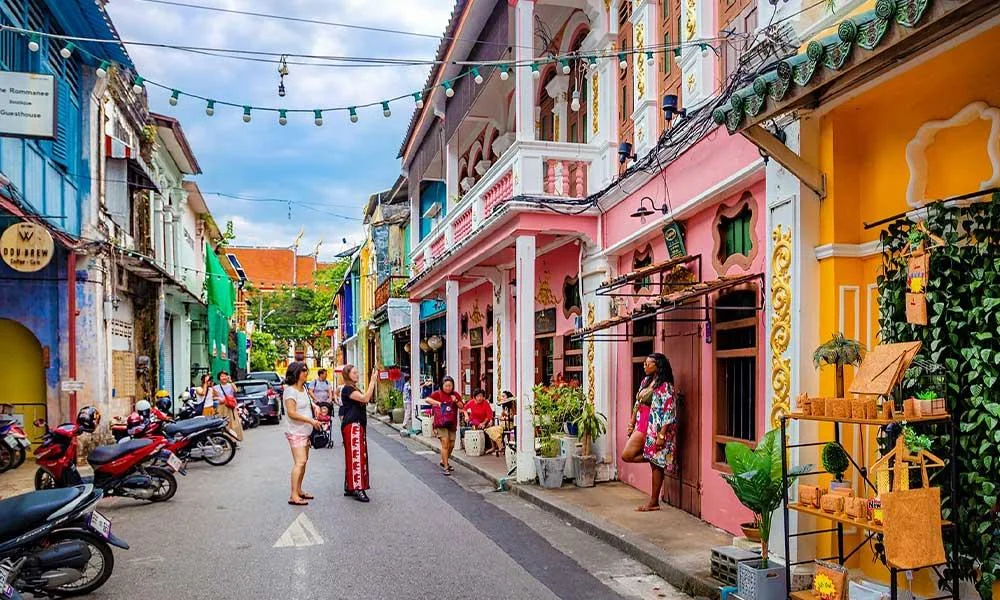
Phuket Town Nestled on the island of Phuket, amidst the azure waters of the Andaman Sea, lies the vibrant and culturally rich Phuket Town. Beyond the renowned beaches and luxury resorts, Phuket Town unveils a different facet of the island—an enchanting blend of history, art, and local charm. In this blog post, let's explore the unique allure of Phuket Town and the experiences it has...
Chiang Mai, with its lush greenery, majestic mountains, and rich cultural heritage, is not only a haven for temple enthusiasts but also an adventure seeker's paradise. If you're looking to add an adrenaline rush to your travel itinerary, Chiang Mai's zipline trips offer a thrilling and unique way to experience the beauty of Northern Thailand. The Thrill of Flight: Embark on an exhilarating...

Top 10 Best Thai Restaurants to Visit in Thailand Thailand is a paradise for food lovers, offering a wide array of Thai cuisine from various regions. This guide covers the top 10 best Thai restaurants across different cities, providing a mix of traditional and contemporary dining experiences. 1. Sorn – Bangkok Overview: Sorn specializes in Southern Thai cuisine, known for its bold and...