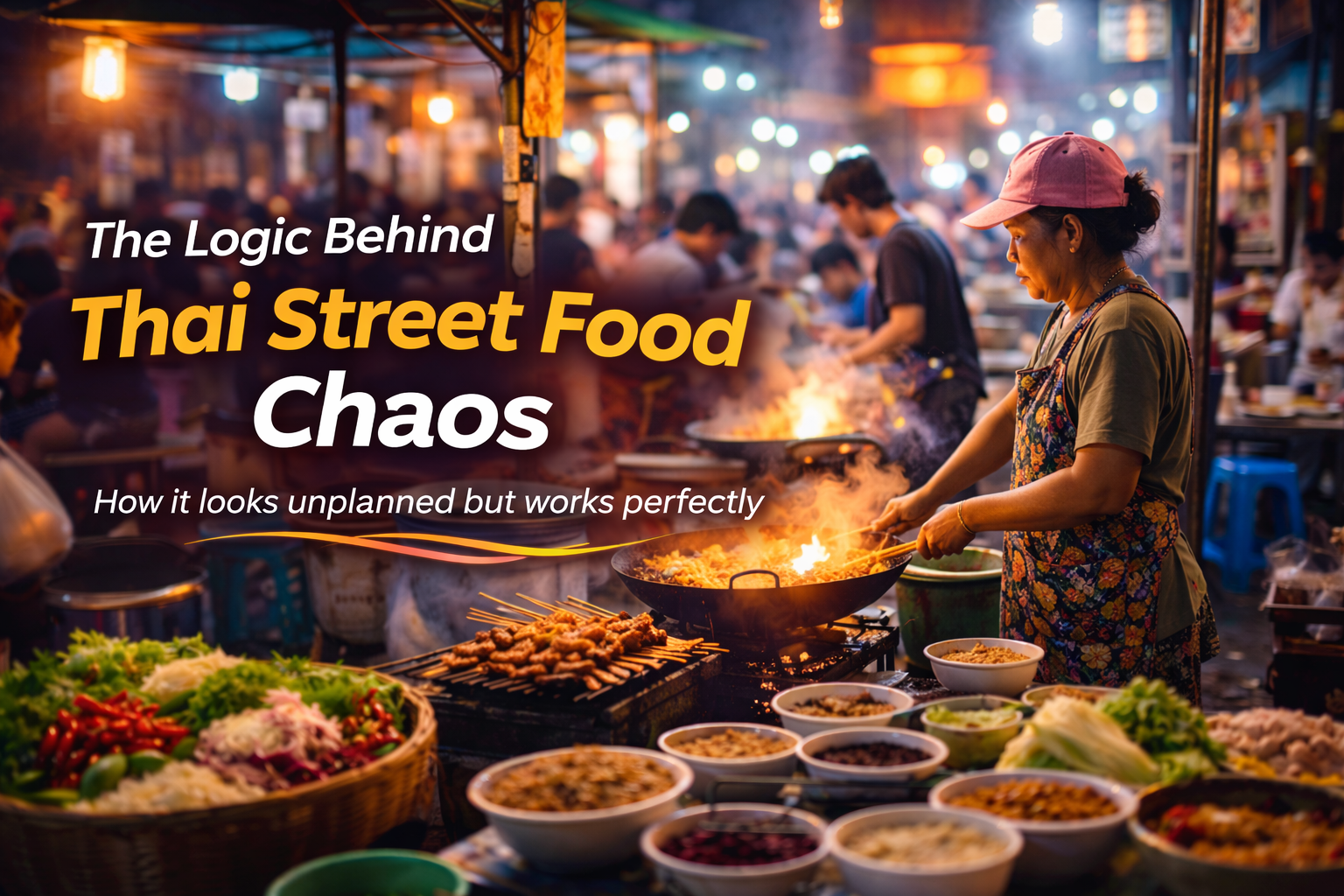

The Logic Behind Thai Street Food Chaos
Why it looks unplanned but works perfectly, based on invisible rules of territory, timing, and respect.
Thai street food is one of the first things foreigners fall in love with and one of the last things they truly understand. At first glance it looks like pure chaos. Carts parked at impossible angles. Smoke drifting into traffic. Vendors occupying sidewalks, alley mouths, even half a road lane. Customers standing wherever they find space. Motorbikes squeezing through gaps that seem too small to exist. And yet, despite all of this apparent disorder, it works. Not just sometimes. Almost always.
Food arrives fast. Lines move smoothly. Conflicts are rare. Vendors coexist for years without visible competition. Nothing collapses. Nothing escalates. The system holds.

What looks like chaos is in fact a highly evolved social choreography governed by invisible rules that most foreigners never notice. Rules of territory, timing, hierarchy, and respect. None of them written. None of them enforced by signs or police. And yet almost everyone follows them.
The first rule is territory, but not in the Western sense of ownership. A street food spot in Thailand is not simply a location. It is a relationship between a person and a place. A noodle cart parked at the same corner every evening for ten years does not own that corner legally, but socially it belongs to them. Other vendors know this. Locals know this. Even new vendors learn this quickly. You do not take someone else’s spot, even if it looks empty during the day. Absence does not mean abandonment. It usually just means the vendor is not working at that time.
Territory in Thai street food is time based. The same physical space can belong to completely different people depending on the hour. A grilled chicken vendor may own a corner from late afternoon until midnight. In the morning the same space might belong to a soy milk cart. At noon it might be a som tam stall. No arguments. No negotiations. Everyone knows when their time begins and ends. This timing is rarely discussed openly. It is absorbed through observation, reputation, and mutual awareness.
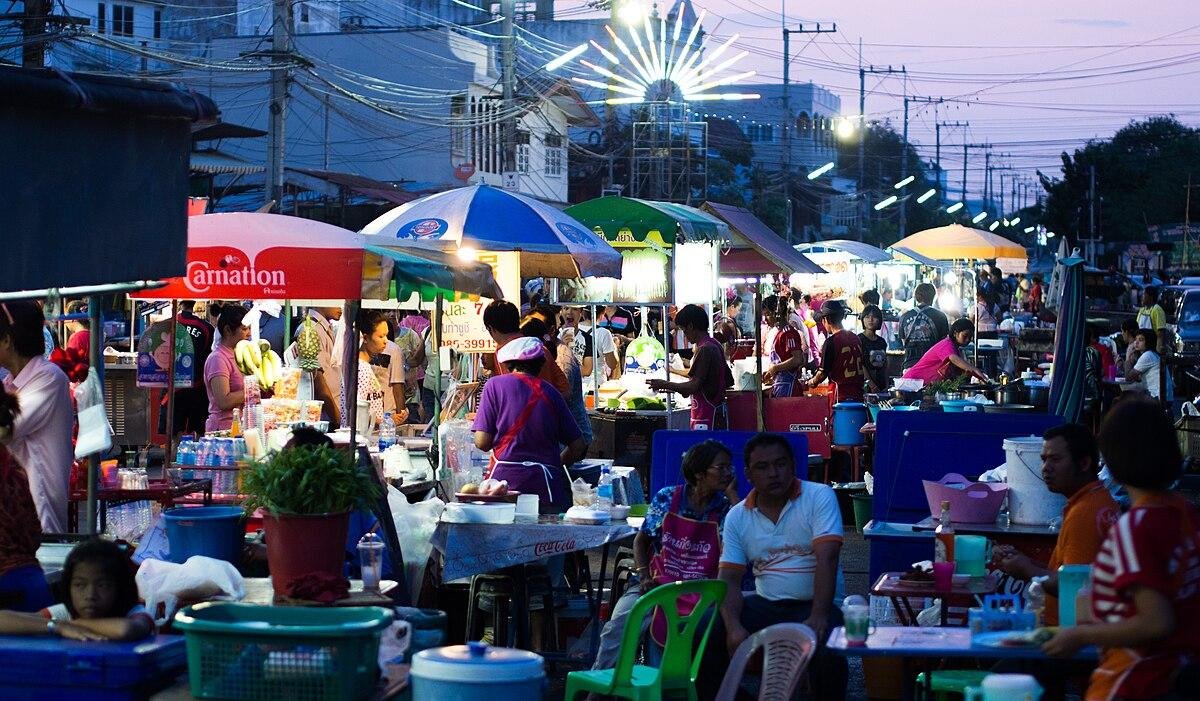
This is why a foreigner opening a random cart in what looks like a free space can unintentionally cause serious tension. From their perspective the space was empty. From the local perspective they have violated an invisible schedule that has existed for years. The reaction is rarely aggressive. More often it is silent disapproval, avoidance, or subtle pressure until the outsider leaves. Thai culture prefers correction without confrontation.
The second rule is respect for specialization. Thai street food vendors do not compete the way Western businesses do. Two vendors selling exactly the same dish side by side is rare, especially if they target the same crowd at the same time. This is not accidental. It is a form of social balance. Each vendor develops a specialty. One does pork noodle soup. Another does beef. Another only fried chicken. Another desserts. Even if demand is high, copying someone else directly is seen as disrespectful and greedy.
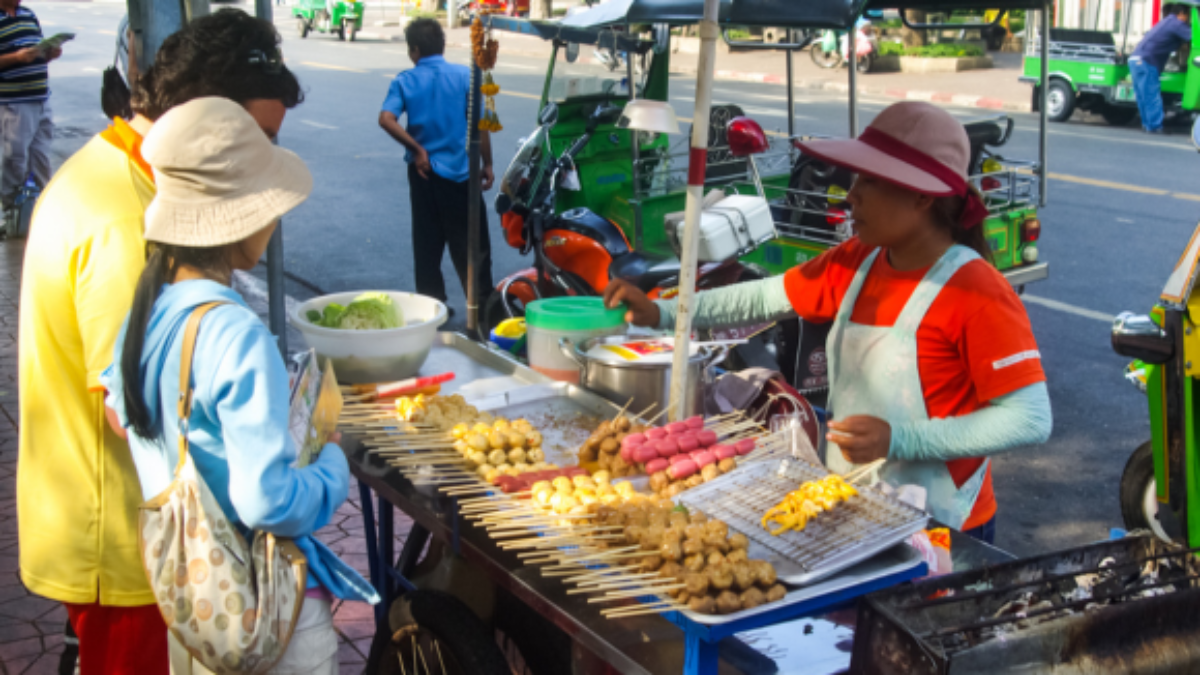
This is also why you often see customers walk past several stalls to reach a specific one. Loyalty matters. Reputation matters. A vendor is not just selling food. They are maintaining a social role. Breaking that balance by aggressively copying another vendor damages trust, not just sales.
The third rule is hierarchy. Not all street vendors are equal. Some have been there for decades. Some are connected to local shop owners. Some are relatives of people who own buildings nearby. Some are newcomers who rent space unofficially. This hierarchy is never announced, but it is deeply felt. Senior vendors are given priority. Their needs are respected. Younger vendors adapt around them.
Hierarchy also affects customer behavior. Locals know which vendors are respected. They know which ones have history. They know which ones you do not rush, argue with, or criticize loudly. Foreigners often miss this entirely and treat all vendors as interchangeable service providers. That is when misunderstandings happen.
The fourth rule is emotional restraint. Thai street food operates on emotional temperature control. Loud arguments, visible frustration, or public embarrassment disrupt the entire ecosystem. That is why conflicts are resolved quietly or not at all. If a mistake happens, the vendor apologizes softly, fixes it, or lets it go. If a customer is unhappy, they usually leave rather than escalate. The system depends on everyone keeping the emotional surface smooth.

This is closely connected to the concept of saving face. A vendor losing face publicly does not just affect them. It affects the street, the neighboring stalls, and the overall atmosphere. That is why you rarely see shouting matches or dramatic scenes. Not because people are not angry, but because anger is managed indirectly.
The fifth rule is spatial flexibility. Thai street food thrives because space is treated as fluid. A sidewalk is not just a sidewalk. It is a potential kitchen, dining area, waiting zone, and traffic path all at once. Everyone constantly adjusts. Customers move without being told. Motorbikes slow down instinctively. Vendors shift carts a few centimeters to allow flow. No one explains this. It is learned through daily repetition.
Foreigners often feel stressed by this because they are used to fixed zones and clear boundaries. In Thailand, boundaries are negotiated in real time. The success of street food depends on everyone reading the environment moment by moment.
There is also an unspoken rule about visibility. Vendors do not aggressively advertise. No shouting menus. No flashing signs. No hard selling. Presence itself is the advertisement. The smell, the smoke, the regular customers, the quiet efficiency. Trying too hard is seen as desperation. Confidence is shown through consistency, not volume.
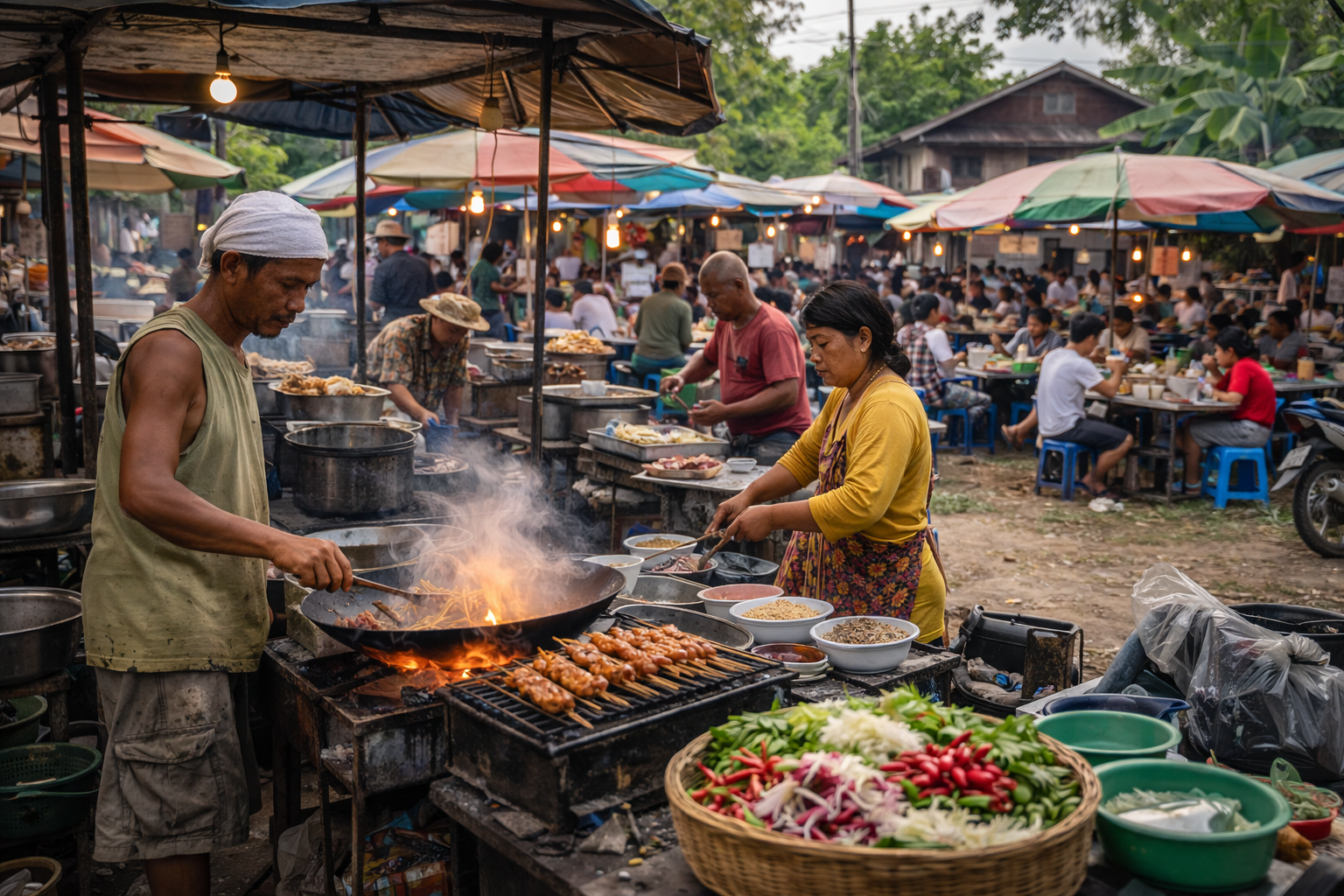
This explains why street food areas feel alive but not chaotic to locals. Everyone knows where to stand, where to wait, where to eat, and when to move on. Even queues often form organically without barriers. People know who arrived first. No one needs a number.
What truly confuses foreigners is that none of this is enforced by law. Technically, much of Thai street food operates in legal gray zones. Yet it is tolerated, protected, and even celebrated because it fulfills a social function. It feeds people cheaply. It supports families. It maintains neighborhood life. The informal order is often more effective than formal regulation.
This invisible logic also explains why attempts to overly regulate or relocate street food often fail. When authorities try to move vendors into organized food courts or remove them from streets entirely, something breaks. The timing no longer works. The customer flow changes. The social balance disappears. What remains looks cleaner but feels empty.

Thai street food chaos is not a lack of rules. It is a system built on shared understanding rather than enforcement. It works because people prioritize coexistence over dominance. Adaptation over control. Relationship over efficiency.
For foreigners who take the time to observe rather than judge, this system slowly reveals itself. The chaos becomes legible. The noise becomes rhythm. The disorder becomes choreography.
And once you see it, you realize something deeper. Thai street food is not just about eating. It is a daily demonstration of how a society can function smoothly without constant confrontation, rigid structure, or visible authority. It is Thailand’s philosophy, cooked and served on a plastic table by the side of the road.
แน่นอน นี่คือ เวอร์ชันภาษาไทยแบบยาว ลึก และละเอียด ถ่ายทอดด้วยน้ำเสียงจริงจัง อ่านลื่น และอธิบายให้ทั้งคนไทยและชาวต่างชาติที่อ่านภาษาไทยเข้าใจ “ตรรกะที่ซ่อนอยู่” ของสตรีทฟู้ดไทยอย่างแท้จริง
สตรีทฟู้ดไทยคือสิ่งแรก ๆ ที่ชาวต่างชาติหลงรัก และในขณะเดียวกันก็เป็นสิ่งที่พวกเขาเข้าใจได้ยากที่สุด ตอนแรกที่เห็น ภาพตรงหน้าดูเหมือนความวุ่นวายไร้ระเบียบ รถเข็นจอดเอียง ๆ ควันลอยคลุ้งเข้าถนน แผงลอยยึดฟุตบาท ปากซอย หรือแม้แต่ครึ่งเลนถนน ลูกค้ายืนกินตรงไหนก็ได้ มอเตอร์ไซค์ลอดผ่านช่องแคบอย่างไม่น่าเชื่อ
แต่สิ่งที่น่าทึ่งคือ ระบบนี้กลับ “ทำงานได้อย่างสมบูรณ์แบบ” อาหารมาเร็ว แถวเดินได้ ไม่มีการทะเลาะรุนแรง พ่อค้าแม่ค้าอยู่ร่วมกันได้เป็นสิบ ๆ ปีโดยไม่เห็นการแข่งขันแบบดุเดือด ไม่มีอะไรพัง ไม่มีอะไรล้ม
สิ่งที่ดูเหมือนความโกลาหล แท้จริงแล้วคือระบบสังคมที่พัฒนามานาน มีตรรกะ มีจังหวะ และมีกติกาที่มองไม่เห็น ควบคุมด้วยเรื่องเขตพื้นที่ เวลา ลำดับชั้น และความเคารพ ไม่มีกฎเขียน ไม่มีป้าย ไม่มีการบังคับใช้แบบเป็นทางการ แต่ทุกคน “รู้” และปฏิบัติตาม
กติกาข้อแรกคือเรื่องพื้นที่ แต่ไม่ใช่ความเป็นเจ้าของแบบตะวันตก พื้นที่ขายของในสตรีทฟู้ดไทยไม่ใช่แค่ตำแหน่งบนแผนที่ แต่มันคือความสัมพันธ์ระหว่างคนกับสถานที่ รถเข็นก๋วยเตี๋ยวที่จอดตรงมุมเดิมทุกเย็นมา 10 ปี อาจไม่มีเอกสารสิทธิ์ใด ๆ แต่ในทางสังคม ตรงนั้น “เป็นของเขา” ทุกคนรู้ พ่อค้าแม่ค้าคนอื่นรู้ คนในพื้นที่รู้ แม้แต่คนใหม่ก็เรียนรู้ได้อย่างรวดเร็ว
สิ่งสำคัญคือ พื้นที่ไม่ได้ผูกกับสถานที่อย่างเดียว แต่ผูกกับ “เวลา” จุดเดียวกันอาจเป็นของคนละคนในช่วงเวลาที่ต่างกัน ตอนเช้าอาจเป็นรถขายโจ๊ก เที่ยงเป็นส้มตำ เย็นเป็นไก่ย่าง กลางคืนเป็นก๋วยเตี๋ยว ไม่มีการแย่ง ไม่มีการโต้เถียง ทุกคนรู้ว่าช่วงไหนเป็นเวลาของใคร แม้ไม่เคยพูดออกมาเป็นคำพูดเลยก็ตาม
นี่คือเหตุผลว่าทำไมชาวต่างชาติที่มาเปิดร้านแบบสุ่มในพื้นที่ที่ “ดูเหมือนว่าง” จึงอาจสร้างความตึงเครียดโดยไม่รู้ตัว สำหรับเขา พื้นที่นั้นว่าง แต่สำหรับคนท้องถิ่น นั่นคือการละเมิดตารางเวลาที่มีมานาน ปฏิกิริยามักไม่ใช่การเผชิญหน้า แต่เป็นความเงียบ การหลีกเลี่ยง หรือแรงกดดันทางอ้อมจนคนแปลกหน้าต้องถอยไปเอง
กติกาข้อที่สองคือความเคารพต่อความเชี่ยวชาญ สตรีทฟู้ดไทยไม่แข่งขันกันแบบธุรกิจตะวันตก การตั้งร้านขายอาหารเหมือนกันติดกันโดยตรงแทบไม่เกิดขึ้น โดยเฉพาะถ้ากลุ่มลูกค้าและช่วงเวลาเดียวกัน เหตุผลไม่ใช่เรื่องกลัวคู่แข่ง แต่เป็นเรื่องสมดุลทางสังคม
แต่ละร้านจะมีของถนัดของตัวเอง ร้านหนึ่งขายก๋วยเตี๋ยวหมู อีกร้านขายเนื้อ อีกร้านทอดไก่ อีกร้านขายของหวาน การลอกเลียนแบบกันตรง ๆ ถูกมองว่าไม่ให้เกียรติและโลภเกินไป ความสำเร็จไม่ได้มาจากการแย่งลูกค้า แต่มาจากการรักษาบทบาทของตนเอง
นี่คือเหตุผลว่าทำไมลูกค้าจำนวนมากยอมเดินผ่านหลายร้านเพื่อไปหาร้านหนึ่งร้านใดโดยเฉพาะ ความภักดีและชื่อเสียงสำคัญมาก พ่อค้าแม่ค้าไม่ได้แค่ขายอาหาร แต่กำลังรักษาตำแหน่งของตนในระบบสังคมเล็ก ๆ บนถนนเส้นนั้น
กติกาข้อที่สามคือลำดับชั้น ไม่ใช่พ่อค้าแม่ค้าทุกคนมีสถานะเท่ากัน บางร้านอยู่มาหลายสิบปี บางร้านมีความสัมพันธ์กับเจ้าของตึกหรือคนในพื้นที่ บางร้านเป็นญาติของร้านอื่น บางร้านเพิ่งมาใหม่ ลำดับชั้นนี้ไม่มีใครบอกตรง ๆ แต่ทุกคนรับรู้ได้
ร้านที่อยู่มานานจะได้รับความเคารพมากกว่า ร้านใหม่จะต้องปรับตัว ไม่ใช่เข้ามาเปลี่ยนกติกา ลูกค้าท้องถิ่นเองก็รู้ว่าร้านไหนควรให้เกียรติ ร้านไหนไม่ควรเร่ง ไม่ควรตำหนิแรง ๆ ชาวต่างชาติมักพลาดจุดนี้ เพราะมองร้านค้าเป็นเพียงผู้ให้บริการที่เท่าเทียมกันทั้งหมด
กติกาข้อที่สี่คือการควบคุมอารมณ์ สตรีทฟู้ดไทยดำรงอยู่ได้เพราะทุกคนรักษาอุณหภูมิทางอารมณ์ให้ต่ำ การโวยวาย เสียงดัง หรือการทำให้ใครเสียหน้าในที่สาธารณะ คือการรบกวนทั้งระบบ นี่คือเหตุผลว่าทำไมความขัดแย้งมักถูกแก้อย่างเงียบ ๆ หรือไม่ถูกพูดถึงเลย
ถ้ามีความผิดพลาด พ่อค้าแม่ค้าจะขอโทษเบา ๆ แก้ไข หรือยอมเสียเล็กน้อยเพื่อให้เรื่องจบ ลูกค้าที่ไม่พอใจมักเลือกเดินจากไปมากกว่าสร้างเรื่อง ความราบเรียบของบรรยากาศสำคัญกว่าการเอาชนะ
ทั้งหมดนี้เชื่อมโยงกับแนวคิดเรื่องการรักษาหน้า การทำให้ใครเสียหน้าในที่สาธารณะไม่ได้กระทบแค่คนนั้น แต่กระทบทั้งถนน ทั้งแผงข้างเคียง และบรรยากาศโดยรวม
กติกาข้อที่ห้าคือความยืดหยุ่นของพื้นที่ ฟุตบาทในไทยไม่ใช่แค่ฟุตบาท แต่เป็นครัว โต๊ะอาหาร พื้นที่รอ และทางสัญจรในเวลาเดียวกัน ทุกคนปรับตัวตลอดเวลา ลูกค้าเลื่อนตัวโดยไม่ต้องมีใครบอก มอเตอร์ไซค์ชะลอโดยอัตโนมัติ ร้านขยับรถเข็นไม่กี่เซนติเมตรเพื่อให้การไหลลื่น
ชาวต่างชาติมักเครียดกับสิ่งนี้ เพราะคุ้นเคยกับเส้นแบ่งพื้นที่ที่ชัดเจน แต่ในไทย เส้นแบ่งถูกเจรจาแบบเรียลไทม์ ระบบนี้อยู่ได้เพราะทุกคนอ่านสถานการณ์เป็น
อีกกติกาหนึ่งที่ไม่ค่อยมีใครพูดถึงคือเรื่องการไม่พยายามขายเกินไป ร้านส่วนใหญ่ไม่ตะโกน ไม่โฆษณาเสียงดัง ไม่ยัดเยียดสินค้า การมีตัวตนอย่างสม่ำเสมอ กลิ่นอาหาร ควัน ลูกค้าประจำ คือการโฆษณาที่ดีที่สุด การพยายามมากเกินไปกลับถูกมองว่าไม่น่าไว้วางใจ
ทั้งหมดนี้คือเหตุผลที่สตรีทฟู้ดไทยดูมีชีวิตชีวาแต่ไม่วุ่นวายในสายตาคนไทย ทุกคนรู้ว่าควรยืนตรงไหน รออย่างไร กินเสร็จเมื่อไรควรไป ไม่มีป้าย ไม่มีเส้น ไม่มีหมายเลข แต่ทุกอย่างเดินไปได้
สิ่งที่ทำให้ชาวต่างชาติสับสนที่สุดคือ ระบบนี้แทบไม่ได้อยู่ภายใต้กฎหมายอย่างเป็นทางการ แต่กลับได้รับการยอมรับและปกป้อง เพราะมันตอบสนองหน้าที่ทางสังคม มันเลี้ยงผู้คน มันสร้างรายได้ มันรักษาชีวิตชุมชน และบ่อยครั้ง ระบบไม่เป็นทางการนี้กลับมีประสิทธิภาพมากกว่ากฎระเบียบแข็ง ๆ
นี่คือเหตุผลว่าทำไมความพยายามจัดระเบียบสตรีทฟู้ดแบบตายตัวมักล้มเหลว เมื่อย้ายร้านไปอยู่ในศูนย์อาหาร ทุกอย่างดูสะอาดขึ้น แต่จังหวะหายไป ลูกค้าหายไป ความสัมพันธ์หายไป
ความวุ่นวายของสตรีทฟู้ดไทยไม่ใช่การไม่มีระเบียบ แต่คือระเบียบที่ตั้งอยู่บนความเข้าใจร่วมกัน ไม่ใช่การบังคับ มันทำงานได้เพราะผู้คนให้ความสำคัญกับการอยู่ร่วมกันมากกว่าการเอาชนะ การปรับตัวมากกว่าการควบคุม
สำหรับชาวต่างชาติที่หยุดตัดสินและเริ่มสังเกต ระบบนี้จะค่อย ๆ เปิดเผยตัวเอง ความโกลาหลจะกลายเป็นจังหวะ ความไม่เป็นระเบียบจะกลายเป็นท่วงท่า
และเมื่อเข้าใจแล้ว จะเห็นว่าสตรีทฟู้ดไทยไม่ใช่แค่เรื่องอาหาร แต่มันคือบทเรียนชีวิต เป็นภาพสะท้อนวิธีที่สังคมหนึ่งสามารถดำรงอยู่ได้อย่างลื่นไหล โดยไม่ต้องพึ่งการเผชิญหน้า โครงสร้างแข็ง หรืออำนาจที่มองเห็นได้
มันคือปรัชญาของไทย ที่ถูกปรุงและเสิร์ฟบนโต๊ะพลาสติกข้างถนน
#สตรีทฟู้ดไทย
#วัฒนธรรมไทย
#วิถีชีวิตไทย
#ชีวิตริมทาง
#เข้าใจคนไทย
#ไทยในมุมลึก
#เรื่องที่นักท่องเที่ยวไม่รู้
#ThaiStreetFood
#ThaiCulture
#UnderstandingThailand
#LifeInThailand
#LocalThailand
#ThailandExplained
#THAIFIZZ