
Tuk-Tuk Driver Life: Inside the Rhythm, Struggles, and Pride Behind Thailand’s Most Iconic Ride (🇺🇸/🇹🇭)
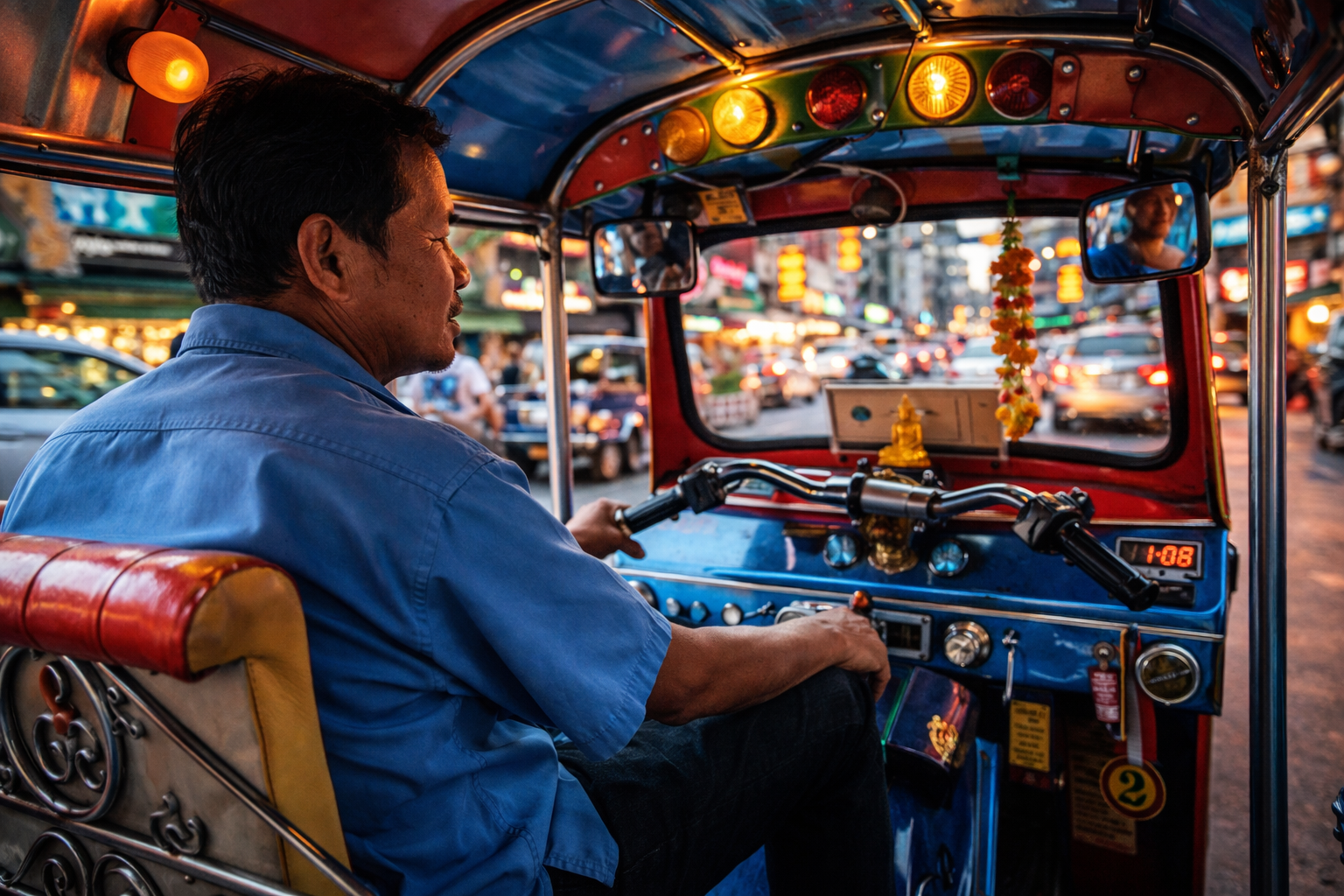
Tuk-Tuk Driver Life: Inside the Rhythm, Struggles, and Pride Behind Thailand’s Most Iconic Ride
The tuk-tuk is one of Thailand’s most recognizable symbols, but the life of the person driving it is rarely understood. To visitors, a tuk-tuk ride is an experience, a photo, a short adventure through traffic and noise. To the driver, it is work, routine, survival, and identity rolled into one. Tuk-tuk driver life sits at the intersection of tradition, tourism, and economic reality, revealing much about how Thailand actually functions on the ground.
Most tuk-tuk drivers do not start their day late. Mornings often begin before the heat sets in, when streets are calmer and local passengers still move through their daily routines. Some drivers work specific areas such as markets, transport hubs, or temples. Others roam, watching traffic, reading body language, listening for opportunity. Every day is different. There is no guaranteed income, no fixed salary, and no certainty beyond what the next ride may bring.
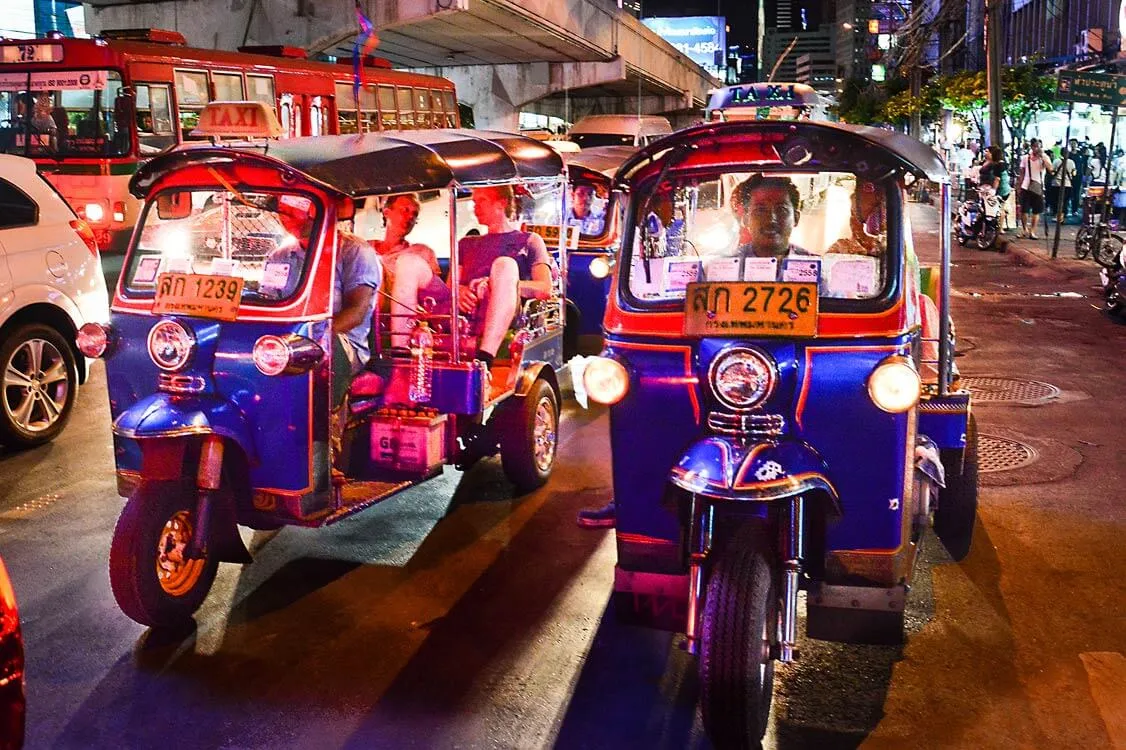
For many drivers, the tuk-tuk is not just a vehicle, but an investment and a responsibility. Some own their tuk-tuk outright, often after years of saving or borrowing. Others rent daily, meaning the first part of their earnings goes straight to covering the vehicle cost before any profit is made. Fuel prices, maintenance, and repairs are constant concerns. A single mechanical issue can erase the income of several days.
The work itself requires constant awareness. Tuk-tuk drivers navigate some of the most chaotic traffic environments in Southeast Asia. They must read the road instinctively, anticipate the behavior of cars, motorbikes, buses, pedestrians, and animals, all while managing passengers who may be unfamiliar with local traffic norms. Safety depends on experience rather than rules. Confidence is built over years, not taught.

Tourism plays a complex role in tuk-tuk driver life. In heavily visited cities, foreign passengers can mean higher fares, but also greater unpredictability. Language barriers, price negotiations, and expectations can create tension. Many drivers develop a sharp sense of psychology, learning how to communicate quickly, when to joke, when to stay quiet, and when to walk away from a potential customer.
At the same time, local passengers are the backbone of consistency. Short rides, errands, regular routes, and familiar faces create stability. These relationships are often based on trust rather than price. A driver who is known in a neighborhood may get steady work without advertising, simply by being present every day.
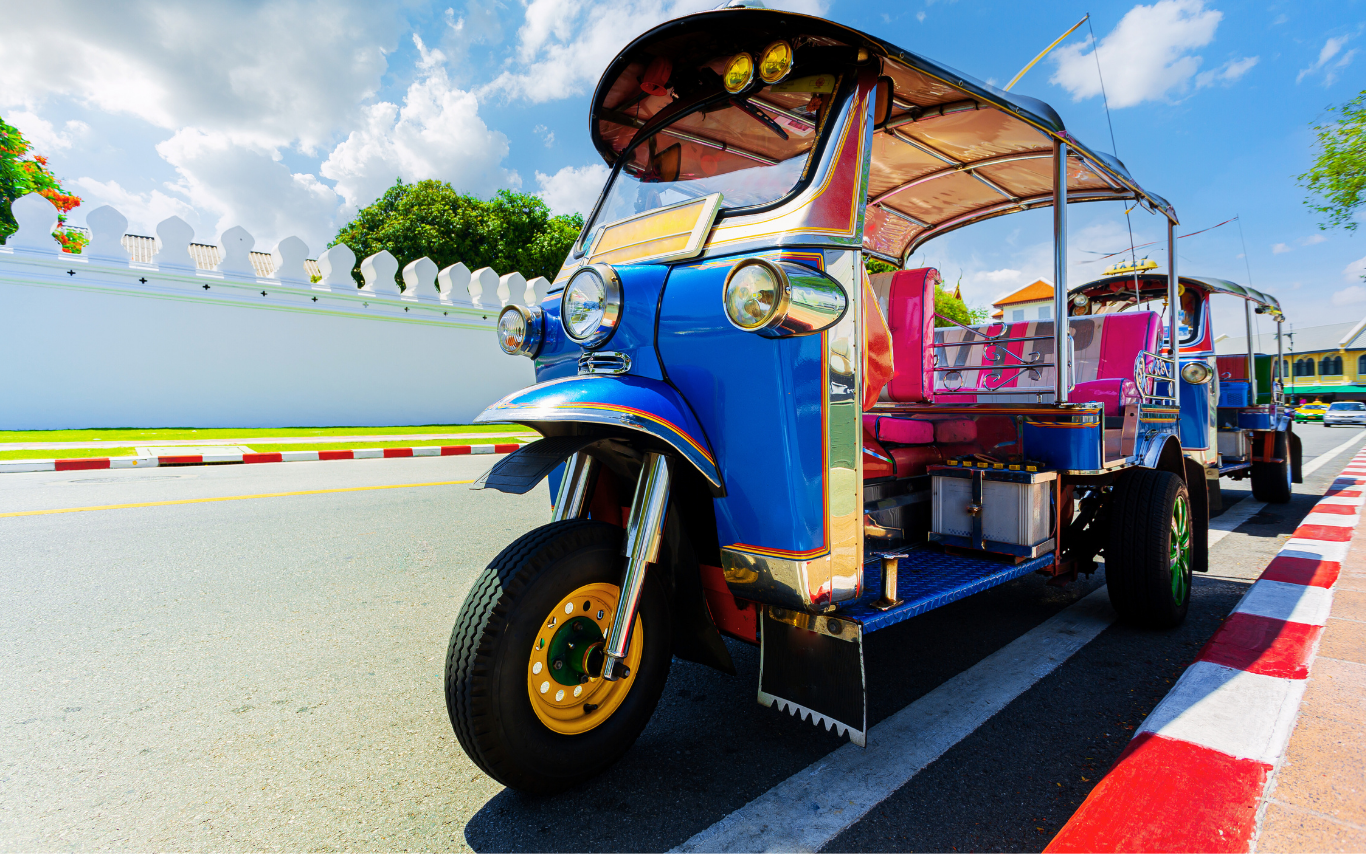
Waiting is a major part of the job. Tuk-tuk drivers spend hours parked under trees, beside food stalls, or near busy intersections. This waiting is not wasted time. It is social time. Drivers talk, share food, exchange news, discuss fuel prices, traffic changes, politics, and family concerns. These informal networks provide support, information, and a sense of belonging in a job that otherwise offers little security.
Income varies widely. Some days are good. Others are disappointing. Weather, festivals, political events, and economic shifts all affect demand. Rain can bring customers or shut down movement entirely. High season can mean long hours with decent earnings, while low season can mean waiting all day for one ride. Budgeting is a skill learned through experience, not spreadsheets.
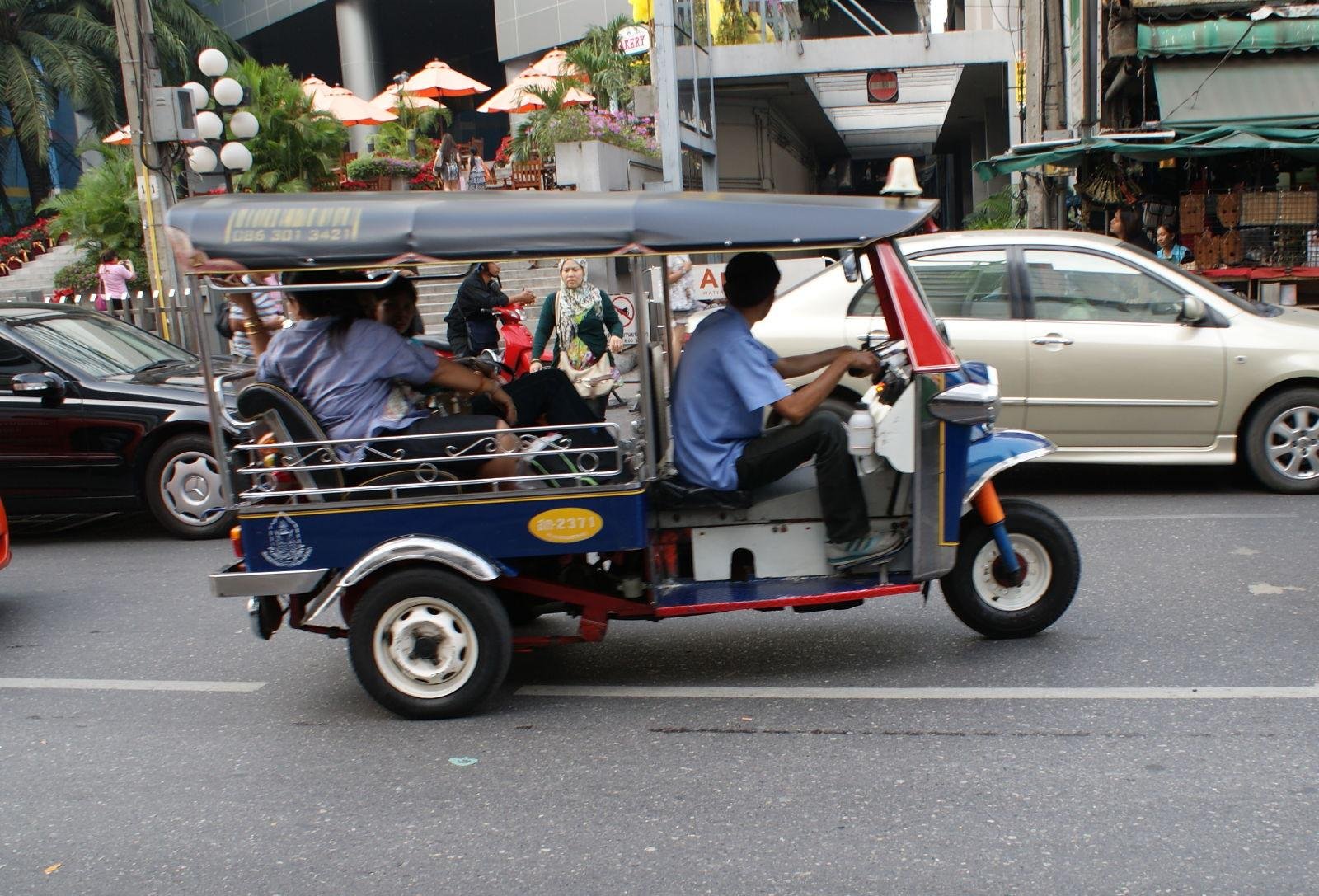
Despite the challenges, many drivers take pride in their work. Driving a tuk-tuk is often a family tradition, passed down through generations. The vehicle becomes an extension of personality, decorated with lights, stickers, amulets, flowers, or personal symbols believed to offer protection and luck. These decorations are not random. They reflect belief, identity, and personal history.
Religion and superstition play an important role. Many drivers carry amulets, bless their vehicles, and pay attention to lucky days and numbers. Accidents are not seen as purely mechanical events, but as moments influenced by timing and unseen forces. This belief does not replace caution. It exists alongside it, offering emotional grounding in an unpredictable profession.
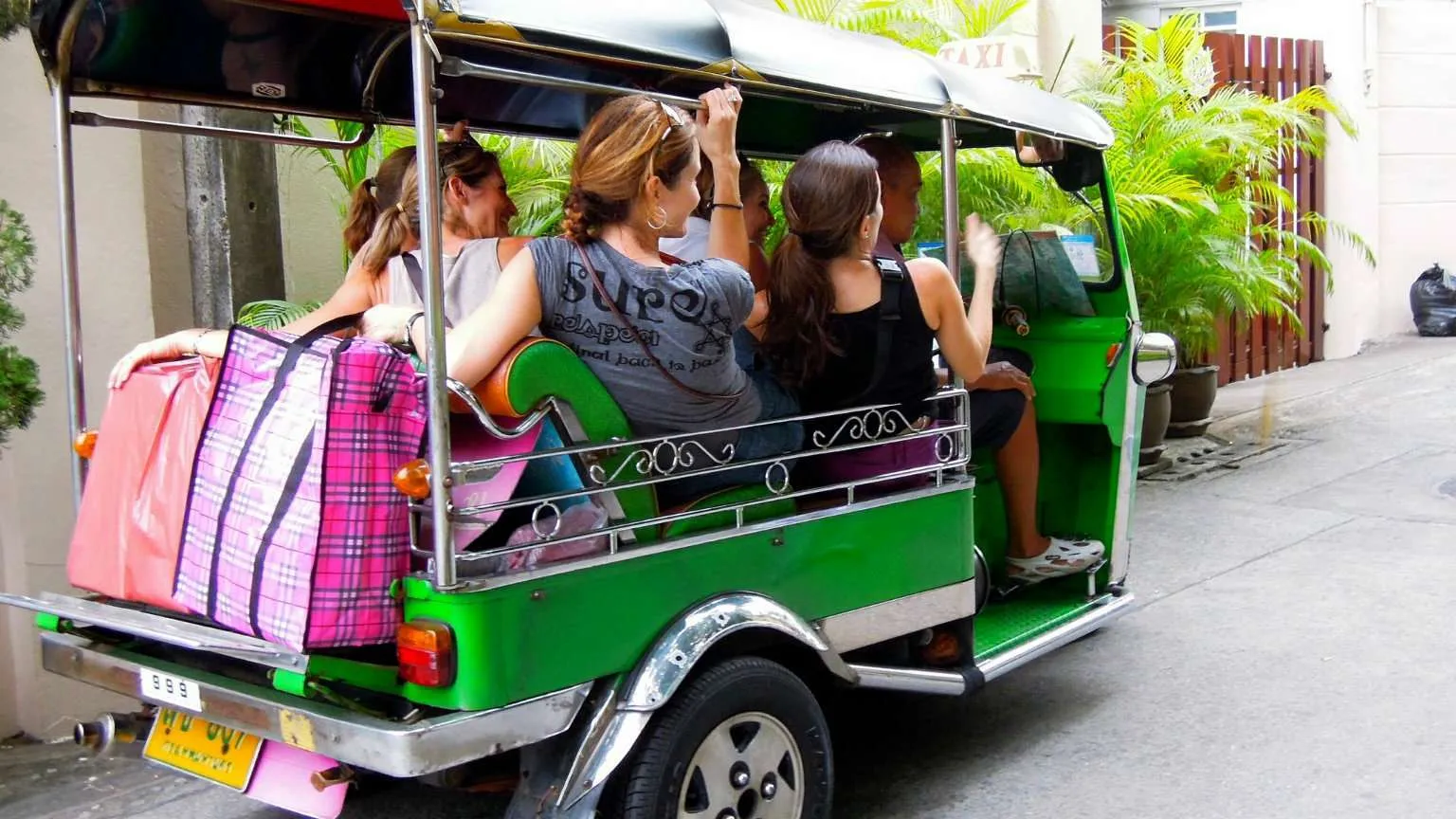
Social perception of tuk-tuk drivers is mixed. They are sometimes stereotyped, misunderstood, or dismissed, especially in tourist narratives. In reality, tuk-tuk drivers are skilled navigators, negotiators, and small scale entrepreneurs. They operate without formal safety nets, relying on adaptability rather than protection.
For drivers, the city is not a destination. It is a workspace mapped by memory. Every shortcut, pothole, traffic pattern, and mood of the road is known intimately. Over time, the city becomes personal. Streets are remembered not by name, but by stories, fares, arguments, laughter, and long days under the sun.
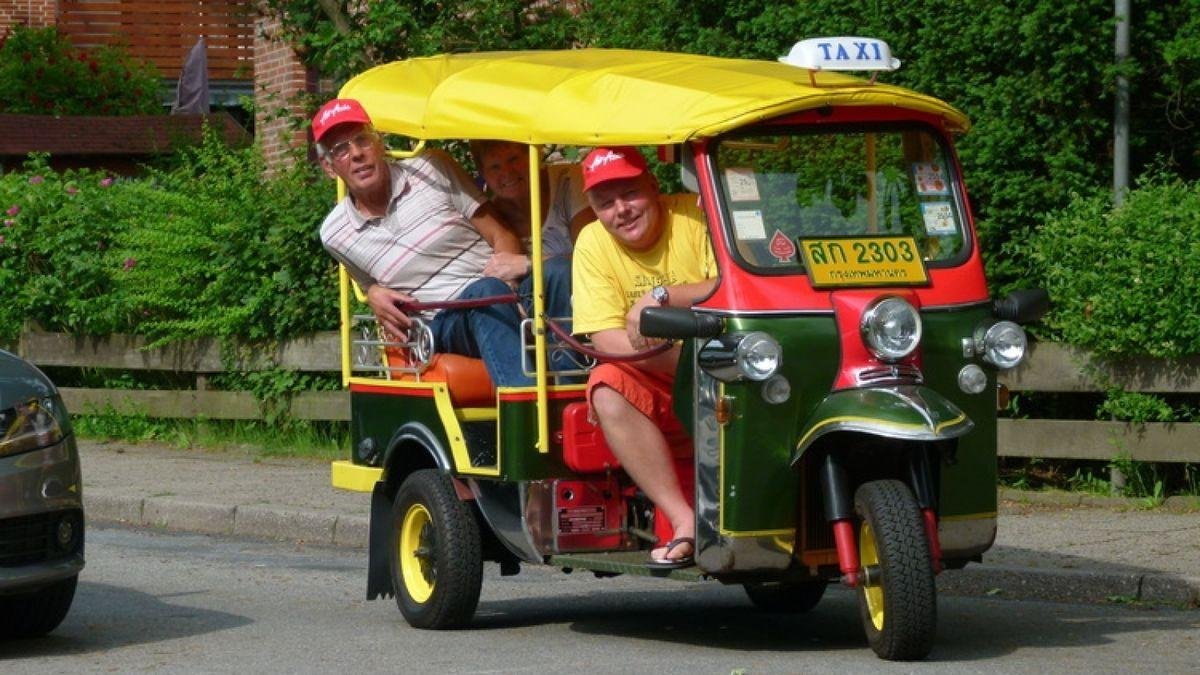
Tuk-tuk driver life is not romantic. It is demanding, uncertain, and physically exhausting. But it is also independent, social, and deeply human. It reflects Thailand’s informal economy, where resilience matters more than planning, and relationships matter more than contracts.
To understand tuk-tuks only as tourist attractions is to miss the point. Behind every ride is a person managing risk, dignity, family responsibility, and pride. Tuk-tuk drivers are not part of the background of Thailand. They are part of its pulse.
ชีวิตคนขับรถตุ๊กตุ๊ก: จังหวะ ความเหนื่อย และศักดิ์ศรีเบื้องหลังสัญลักษณ์ของไทย
รถตุ๊กตุ๊กเป็นหนึ่งในสัญลักษณ์ที่คนทั่วโลกรู้จัก แต่ชีวิตของคนขับกลับไม่ค่อยถูกเข้าใจ สำหรับนักท่องเที่ยว รถตุ๊กตุ๊กคือประสบการณ์ สำหรับคนขับ มันคืออาชีพ ความอยู่รอด และตัวตน ชีวิตคนขับตุ๊กตุ๊กสะท้อนเศรษฐกิจนอกระบบ วัฒนธรรม และความจริงของชีวิตประจำวันในประเทศไทย
คนขับตุ๊กตุ๊กจำนวนมากเริ่มงานตั้งแต่เช้า ก่อนแดดจะแรง บางคนประจำอยู่ตามตลาด สถานี หรือวัด บางคนขับวนไปเรื่อยๆ รอจังหวะ ไม่มีรายได้ประจำ ไม่มีเงินเดือน ทุกวันขึ้นอยู่กับโชค เวลา และสถานการณ์
ตุ๊กตุ๊กไม่ใช่แค่ยานพาหนะ แต่เป็นภาระและการลงทุน บางคนเป็นเจ้าของ บางคนเช่ารายวัน ค่าเชื้อเพลิง ค่าซ่อม และค่าดูแลคือความกังวลตลอดเวลา รถเสียหนึ่งครั้งอาจหมายถึงรายได้หายไปหลายวัน
การขับรถในเมืองไทยต้องใช้ประสบการณ์มากกว่ากฎจราจร คนขับต้องอ่านถนน รู้จังหวะ และคาดเดาพฤติกรรมของรถรอบข้าง การเอาชีวิตรอดบนถนนไม่ใช่เรื่องของความเร็ว แต่เป็นเรื่องของสัญชาตญาณ
นักท่องเที่ยวมีทั้งข้อดีและความท้าทาย ภาษา ความคาดหวัง และการต่อรองราคาเป็นเรื่องปกติ คนขับที่มีประสบการณ์จะรู้ว่าเมื่อไหร่ควรพูด เมื่อไหร่ควรเงียบ และเมื่อไหร่ควรปฏิเสธลูกค้า
ในขณะเดียวกัน ลูกค้าคนไทยคือความสม่ำเสมอ การรับส่งใกล้ๆ งานประจำ และความคุ้นเคยสร้างรายได้ที่มั่นคงกว่า ความไว้ใจสำคัญกว่าราคา
การรอคอยเป็นส่วนหนึ่งของงาน คนขับนั่งคุย กินข้าว แลกข่าวสาร และช่วยเหลือกัน เครือข่ายเล็กๆ เหล่านี้คือระบบสนับสนุนที่ไม่มีอยู่ในเอกสาร
รายได้ขึ้นลงตามฤดูกาล ฝน เทศกาล และเศรษฐกิจ วันดีและวันแย่สลับกันไป การบริหารเงินคือทักษะชีวิต
แม้งานจะหนัก แต่หลายคนภูมิใจในอาชีพนี้ รถถูกตกแต่งด้วยไฟ เครื่องราง ดอกไม้ และสัญลักษณ์แห่งความเชื่อ รถกลายเป็นส่วนหนึ่งของตัวตน
ศาสนาและความเชื่อมีบทบาทสำคัญ เครื่องราง วันดี และเลขมงคลช่วยให้คนขับรู้สึกมั่นคงในอาชีพที่ไม่แน่นอน
ภาพลักษณ์ของคนขับตุ๊กตุ๊กอาจถูกเข้าใจผิด แต่ในความเป็นจริง พวกเขาคือนักนำทาง นักเจรจา และผู้ประกอบการรายย่อยที่พึ่งพาความสามารถของตนเอง
สำหรับคนขับ เมืองไม่ใช่สถานที่ท่องเที่ยว แต่คือแผนที่ชีวิต ถนนแต่ละสายเต็มไปด้วยความทรงจำ
ชีวิตคนขับตุ๊กตุ๊กไม่โรแมนติก แต่มันจริง เหนื่อย ไม่แน่นอน แต่เต็มไปด้วยศักดิ์ศรี และสะท้อนหัวใจของสังคมไทยอย่างแท้จริง
#TukTuk #TukTukDriver #ThailandLife #WorkingInThailand #EverydayThailand #ThaiTransport #LocalLife #StreetLifeThailand #ExpatLife #ThaiCulture

Categories
- Art
- Business & Work
- Cost of Living
- Crafts
- Culture & Traditions
- Digital Life
- Expat Life
- Farmer Life
- Festivals & Events
- Finance & Banking
- Food & Drink
- Health & Wellness
- Hidden Gems
- History & Heritage
- Language
- Literature
- Nature & Adventure
- Networking
- Nightlife & Entertainment
- Real Estate
- Religion
- School & Education
- Shopping & Markets
- Social Life
- Sports
- Theater & Shows
- Transport
- Travel
- Visas & Immigration
- Other
Read More
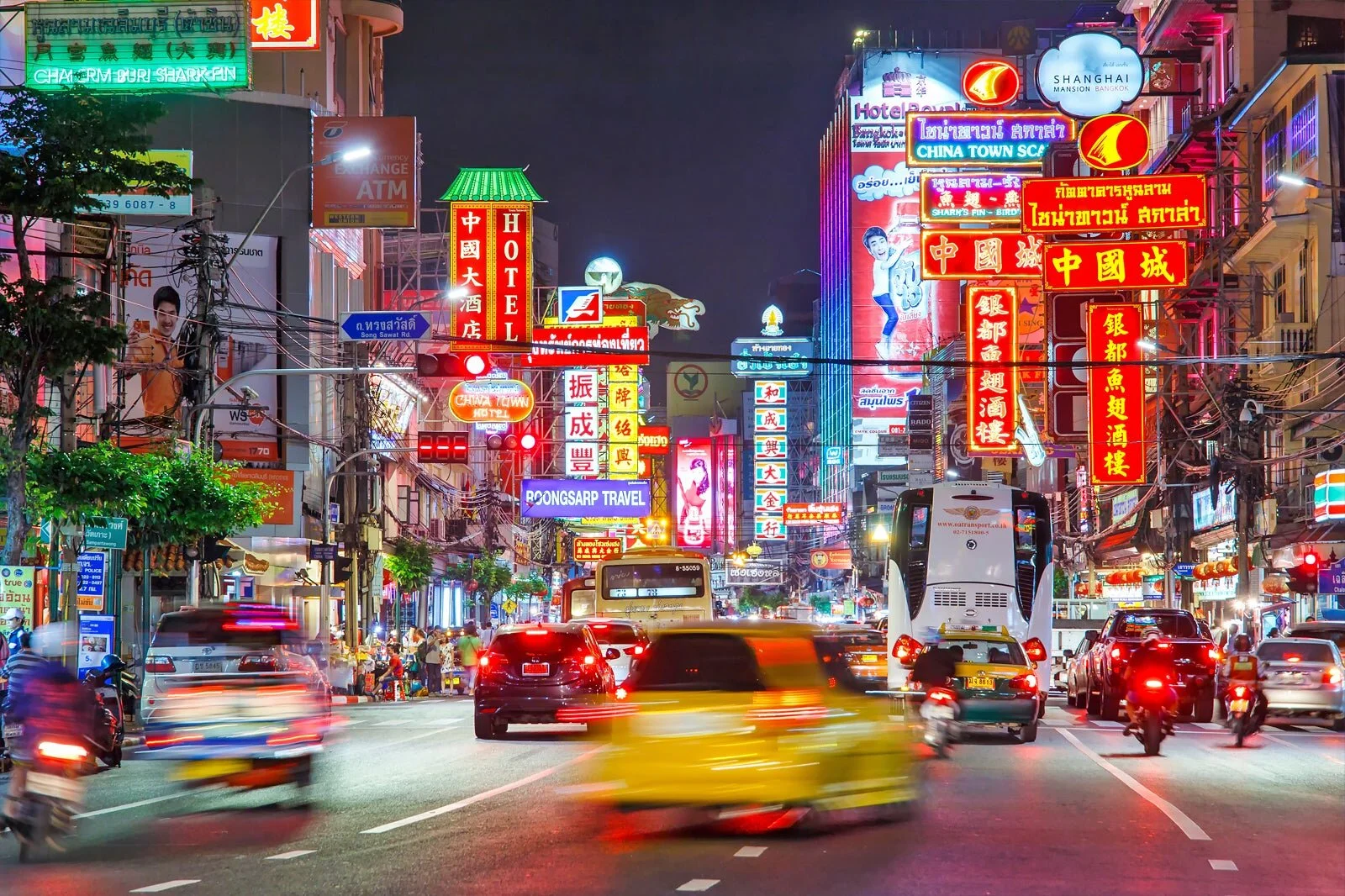
Chinatown - Tucked away in the heart of Bangkok lies one of the city’s most vibrant and historic districts: Chinatown, or as locals call it, เยาวราช (Yaowarat). A neighborhood bursting with color, culture, flavors, and fascinating history, Chinatown is a must-visit for travelers who want to experience a different side of the Thai capital — one where tradition meets chaos, and...
Bangkok is one of the world’s best cities for shopping, offering everything from high-end luxury brands and stylish local designers to bustling street markets filled with bargains. Whether you want to shop in air-conditioned malls, explore trendy night markets, or hunt for souvenirs, Bangkok has it all. 🌟 1. Luxury & High-End Malls These malls are modern, stylish, and filled...

Bangkok, the vibrant capital of Thailand, is a city that seamlessly blends tradition with modernity. One of the key elements contributing to the city's efficient and convenient transportation network is the combination of the BTS (Skytrain) and MRT (Metro) systems. In this blog post, we'll explore the significance of these two mass transit systems, how they connect the sprawling city, and the...
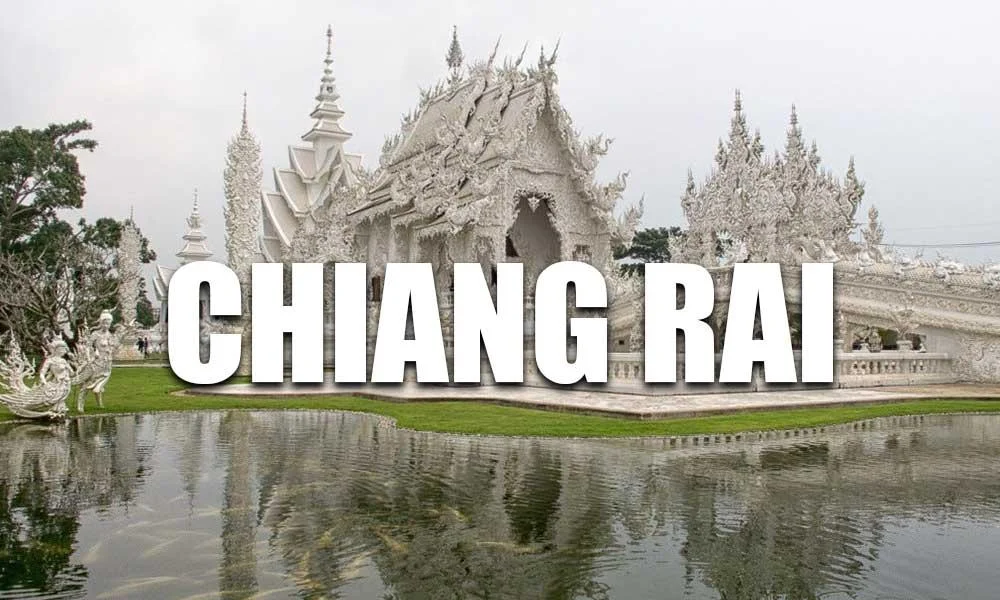
Chiang Rai beckons travelers with its serene landscapes, rich cultural heritage, and a distinctive charm that sets it apart from its bustling neighbors. In this blog, we embark on a journey to explore the tranquil beauty of Chiang Rai, uncovering its hidden gems, cultural treasures, and the enchanting allure that makes it a must-visit destination. 1. The White Elegance of Wat Rong Khun (The...
Transgender - Thailand is often thought of as relatively open to LGBTQ+ identities in Southeast Asia. There is visible presence of transgender people (“kathoey,” “ladyboys,” or more broadly “trans/gender diverse”) in entertainment, media, tourism, and urban life. But visibility alone doesn’t mean full equality. Many transgender people in Thailand live...