
Bangkok’s Chinatown: A Journey Through Yaowarat Road (🇺🇸/🇹🇭)
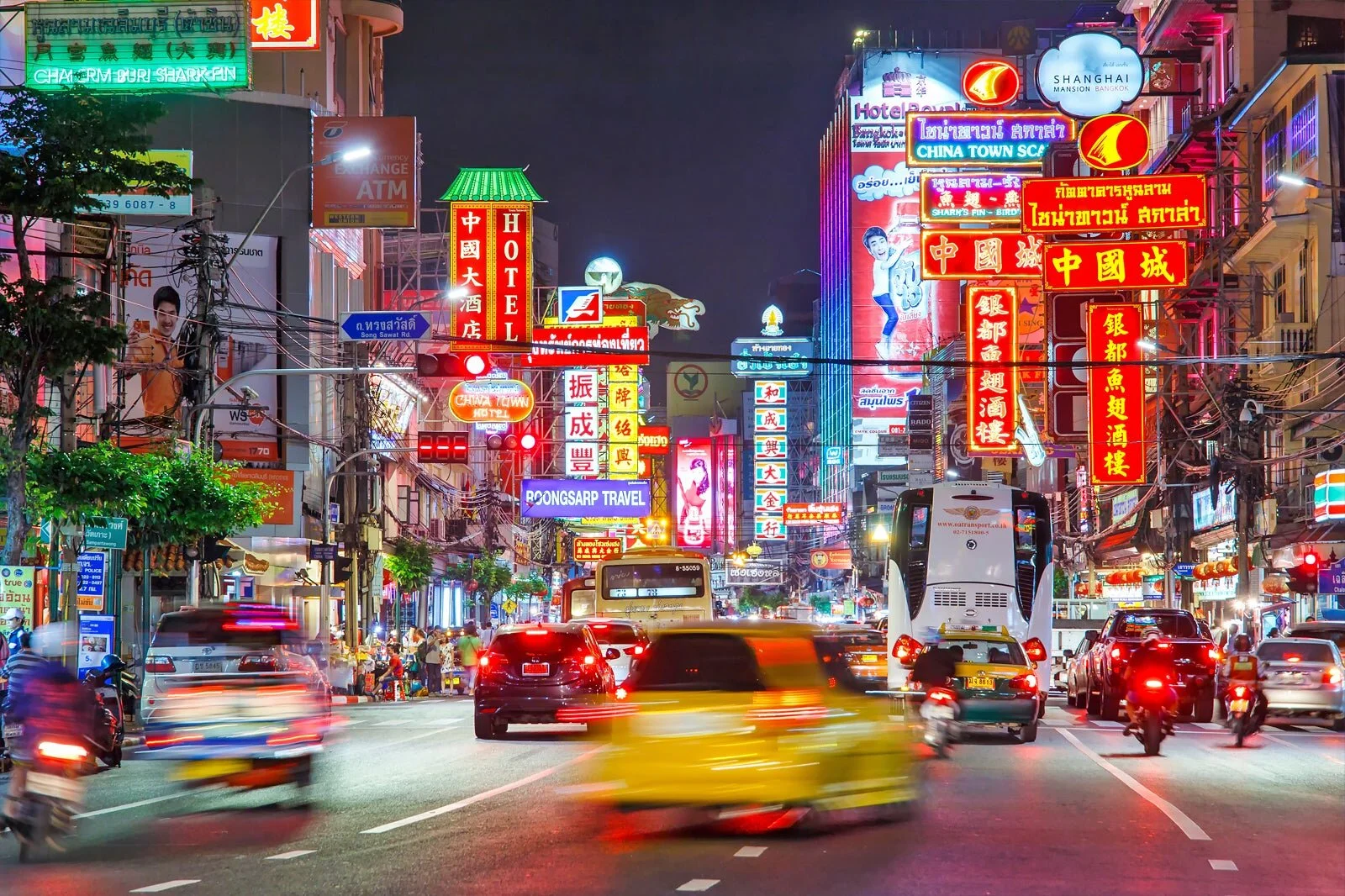
Chinatown - Tucked away in the heart of Bangkok lies one of the city’s most vibrant and historic districts: Chinatown, or as locals call it, เยาวราช (Yaowarat). A neighborhood bursting with color, culture, flavors, and fascinating history, Chinatown is a must-visit for travelers who want to experience a different side of the Thai capital — one where tradition meets chaos, and food meets soul.
Whether you're a foodie, a history buff, a culture enthusiast, or just someone seeking a more authentic Bangkok adventure, Chinatown is a feast for the senses — literally and figuratively.
📜 A Brief History of Bangkok’s Chinatown
Bangkok’s Chinatown is one of the oldest and largest in the world. Its roots date back to 1782, when King Rama I moved the capital to Bangkok and asked Chinese traders living in the area of the Grand Palace to relocate. They settled along the banks of the Chao Phraya River, creating what we now know as Yaowarat Road.
Over the years, this small Chinese trading community blossomed into a full-blown commercial hub. Today, Chinatown is an eclectic mix of the old and new — historic gold shops sit beside modern cafes, and ancient shrines are nestled between skyscrapers and LED signs.
🚶 What to Do in Chinatown (Yaowarat)
🍲 1. Street Food Heaven
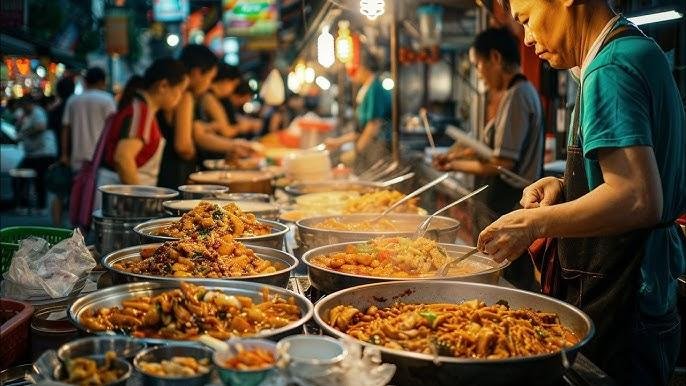
If there’s one thing that puts Bangkok’s Chinatown on the global map, it’s street food. Yaowarat is legendary for its nighttime food scene, drawing locals and tourists alike for everything from Michelin-rated street eats to hidden alleyway snacks.
Here are some must-try dishes and spots:
-
Guay Jub Ouan Pochana (ก๋วยจั๊บ อ้วนโภชนา) – Famous for rolled rice noodle soup in peppery pork broth.
-
Nai Ek Roll Noodle – Iconic spot with crispy pork belly and savory noodles.
-
Sweet Chinese desserts – Try Bua Loy, sesame dumplings in ginger tea, or chestnut in syrup.
-
Seafood stalls – Fresh grilled prawns, crab, squid, and more, served street-side under neon signs.
-
Michelin Bib Gourmand vendors – Yes, you’ll find several right on the street!
🕐 Best time to go: Early evening to late night (5 PM–11 PM)
🛕 2. Visit Temples and Shrines
Chinatown is home to several culturally significant temples and shrines, blending Thai and Chinese Buddhist influences:
-
Wat Traimit (วัดไตรมิตร) – Home of the Golden Buddha, a 5.5-ton solid gold statue and an awe-inspiring sight.
-
Leng Buai Ia Shrine – One of the oldest Chinese shrines in Bangkok, rich in spiritual history.
-
Guan Yin Shrine – Dedicated to the Chinese Goddess of Mercy, popular among worshippers and tourists alike.
These spiritual sites give you a glimpse into how Thai-Chinese culture has preserved its traditions over centuries.
🏮 3. Shop Like a Local
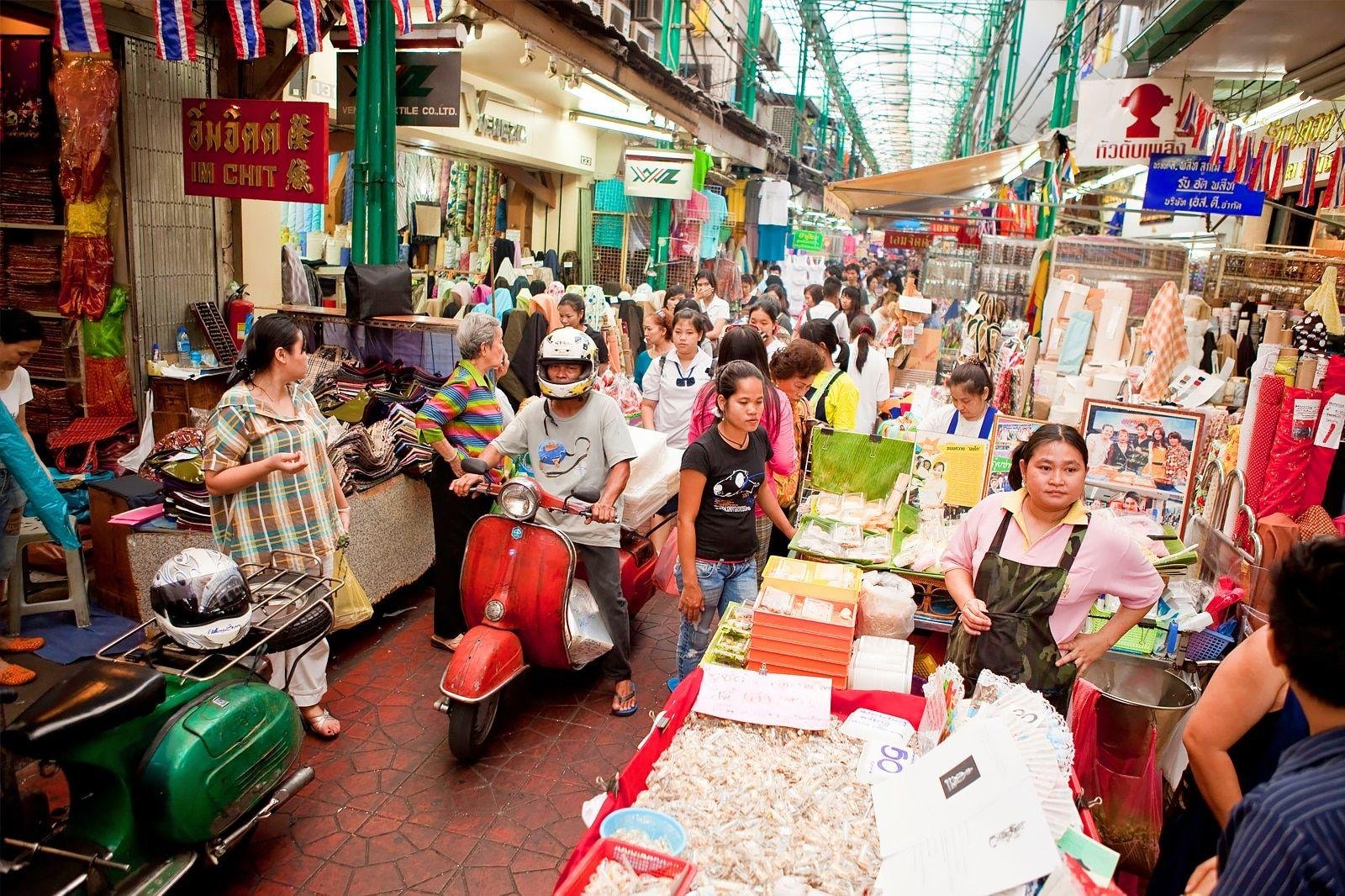
From gold to ginseng, Chinatown is a shopper's paradise, especially if you love haggling and discovering unique finds.
-
Sampeng Lane – A narrow, buzzing alley market selling everything from fabrics and accessories to toys and trinkets.
-
Yaowarat Road gold shops – Bangkok’s go-to place for buying gold jewelry (seriously – this is where Thais go to invest).
-
Chinese herbal medicine stores – Packed with remedies, dried herbs, and curious health tonics.
🧋 4. Sip & Chill in Hidden Cafés
Chinatown is no longer just about tradition — the younger generation has brought in a wave of hip cafés and bars, tucked behind century-old shophouses.
Look out for:
-
TEP Bar – A Thai-inspired cocktail bar with live traditional music and herbal cocktails.
-
Wallflowers Café – An Instagram-worthy, artsy floral café in a restored Chinese house.
-
Lhong 1919 – A bit farther out, this riverside heritage site blends art, food, and Chinese-Thai history beautifully.
🎉 5. Celebrate Chinese Festivals
To really feel the spirit of Chinatown, visit during major Chinese celebrations:
-
Chinese New Year – Dragon dances, firecrackers, red lanterns, and street performances light up Yaowarat like nowhere else in Thailand.
-
Vegetarian Festival (Tesagan Gin Je) – For 9 days in October, Chinatown becomes a meat-free haven with yellow flags flying high and hundreds of stalls serving vegan Thai-Chinese dishes.
🗺️ How to Get There
Easiest way:
Take the MRT (Blue Line) to Wat Mangkon Station. From there, you're just steps away from Yaowarat Road.
🚶 Pro Tip: Wear comfortable shoes — you'll be walking, snacking, and exploring through tight alleys and busy sidewalks.
📸 Tips for Visiting Chinatown
-
Go hungry — seriously.
-
Avoid weekends if you dislike crowds.
-
Keep small cash handy (many vendors are cash-only).
-
Visit both day and night for different vibes — day is more local shopping, night is food heaven.
-
Don’t be shy — follow the locals when choosing where to eat!
✨ Final Thoughts
Bangkok’s Chinatown isn’t just a tourist attraction — it’s a living, breathing cultural hub that has evolved while keeping its roots intact. Whether you're indulging in a bowl of hot noodles, wandering through hidden alleys, or making a spiritual offering at a 200-year-old shrine, Yaowarat will leave an imprint on your senses.
So next time you’re in Bangkok, take a detour from the malls and skyscrapers, and head down to Chinatown. You’ll walk away full, amazed, and probably planning your next visit before you even leave.
Have you been to Chinatown Bangkok? Share your favorite dishes or hidden spots in the comments — or better yet, start a travel blog about it right here on Thaifizz.com!
เปิดโลก “เยาวราช” ไชน่าทาวน์กลางกรุงเทพฯ ที่ไม่เคยหลับไหล
หากพูดถึงย่านที่เต็มไปด้วยสีสัน วัฒนธรรม และของกินอร่อย ๆ แบบไม่มีที่สิ้นสุดในกรุงเทพฯ ชื่อของ “เยาวราช” หรือ Bangkok Chinatown จะต้องติดอันดับต้น ๆ อย่างแน่นอน
นี่ไม่ใช่แค่ย่านของชาวจีน แต่เป็นดินแดนที่เต็มไปด้วยชีวิต ความหลากหลาย และกลิ่นอายของประวัติศาสตร์ที่หลอมรวมกับวิถีชีวิตแบบไทยได้อย่างกลมกลืน เป็นสถานที่ที่ใครก็ตามที่มาเที่ยวกรุงเทพฯ ควรแวะมาอย่างน้อยหนึ่งครั้งในชีวิต!
📜 ประวัติศาสตร์ของ “เยาวราช” ที่หลายคนอาจไม่เคยรู้
ย่านเยาวราชมีจุดเริ่มต้นตั้งแต่ปี พ.ศ. 2325 สมัยรัชกาลที่ 1 เมื่อพระองค์ย้ายเมืองหลวงมายังกรุงเทพฯ และขอให้ชาวจีนที่อาศัยอยู่บริเวณพระบรมมหาราชวังเดิมย้ายไปอยู่ที่อื่น พวกเขาจึงมาตั้งรกรากอยู่บริเวณริมแม่น้ำเจ้าพระยา และเริ่มสร้างชุมชนขึ้นที่นี่
ต่อมาในปี พ.ศ. 2445 มีการตัดถนนเยาวราชขึ้น และพื้นที่นี้ก็กลายเป็นศูนย์กลางการค้าของชาวจีนในกรุงเทพฯ จนถึงปัจจุบัน
🚶♀️ จะไป “เยาวราช” ทำอะไรดี?
🍜 1. ตะลุยกินสตรีทฟู้ดสุดฟิน (สวรรค์ของนักชิม)
เยาวราชเป็นที่รู้จักในฐานะ ย่านสตรีทฟู้ดระดับโลก โดยเฉพาะในช่วงกลางคืนที่ถนนจะเต็มไปด้วยร้านอาหาร รถเข็น และผู้คนที่มาต่อแถวรอชิมเมนูเด็ดต่าง ๆ
เมนูห้ามพลาด:
-
ก๋วยจั๊บญวนอ้วนโภชนา (น้ำซุปพริกไทยจัดจ้าน หมูกรอบฟินมาก!)
-
หมี่ผัดกระเฉด หมูแดง กะเพราทะเล ร้านริมทางแบบบ้าน ๆ แต่รสชาติระดับเหลา
-
ขนมหวานแบบจีน: บัวลอยน้ำขิง แปะก๊วยนมสด เต้าทึง
-
ปลาหมึกย่าง หอยเชลล์อบเนย กุ้งเผา – สายซีฟู้ดต้องลอง
-
ร้านที่ได้ Michelin Bib Gourmand หลายร้านเลย!
🕔 เวลาแนะนำ: เย็นถึงดึก (17.00 – 23.00 น.)
🛕 2. ไหว้พระ ขอพร เสริมดวง
เยาวราชไม่ใช่แค่เรื่องกิน แต่ยังมีวัดและศาลเจ้าศักดิ์สิทธิ์มากมายที่แฝงไว้ด้วยประวัติศาสตร์และความเชื่อของชาวจีน-ไทย:
-
วัดไตรมิตรวิทยาราม – พระพุทธรูปทองคำองค์ใหญ่ที่สุดในโลก (หนักกว่า 5.5 ตัน!)
-
ศาลเจ้าลิ้มบุ๋ยเฮี้ย – ศาลเจ้าเก่าแก่ที่สุดในกรุงเทพฯ
-
ศาลเจ้าแม่กวนอิม มูลนิธิเทียนฟ้า – แหล่งขอพรยอดนิยม
🧧 3. ช้อปปิ้งแบบจุก ๆ
อยากได้ของฝาก ของใช้ หรือแค่เดินดูของแปลก ๆ เยาวราชมีหมด!
-
ตรอกสำเพ็ง – แหล่งขายของราคาส่ง ผ้ากระเป๋า เครื่องประดับ ของตกแต่ง
-
ร้านทองเยาวราช – ถนนที่ขึ้นชื่อเรื่องทองคำคุณภาพ มีหลายร้านให้เลือก
-
ร้านขายยาจีนโบราณ – สมุนไพร ยาดอง น้ำมันนวด และสารพัดของแปลก
☕ 4. นั่งชิลในคาเฟ่ลับ ๆ
เยาวราชยุคใหม่ไม่ได้มีแค่ความเก่าอีกต่อไป คาเฟ่และบาร์แนวฮิปเริ่มผุดขึ้นทั่วพื้นที่:
-
TEP Bar – บาร์ไทยสไตล์ร่วมสมัย มีดนตรีสดและค็อกเทลสมุนไพร
-
Wallflowers Café – คาเฟ่ดอกไม้สุดโรแมนติก เหมาะกับสายถ่ายรูป
-
Lhong 1919 – โกดังเก่าริมน้ำที่กลายเป็นแหล่งรวมร้านอาหาร ศิลปะ และวัฒนธรรมจีน
🎉 5. ร่วมฉลองเทศกาลจีนแบบจัดเต็ม
ช่วงเทศกาลคือเวลาที่เยาวราชจะคึกคักที่สุด!
-
ตรุษจีน – ขบวนแห่มังกรเชิด สิงโต ดอกไม้ไฟ และสีแดงเต็มถนน
-
เทศกาลกินเจ – เยาวราชจะเต็มไปด้วยป้ายธงสีเหลือง และอาหารเจหลากหลายเมนู
🗺️ ไปเยาวราชยังไง?
🚇 เดินทางง่ายมาก! ขึ้น MRT สายสีน้ำเงิน แล้วลงที่สถานี วัดมังกร (Wat Mangkon) ออกมาก็ถึงถนนเยาวราชเลย
🩴 แนะนำให้ใส่รองเท้าสบาย ๆ เพราะคุณจะได้เดินเยอะ กินเยอะ ถ่ายรูปเยอะแน่นอน!
📌 เคล็ดลับเล็ก ๆ ในการเที่ยวเยาวราช
-
มาแบบ “หิว ๆ” จะฟินที่สุด 😋
-
พกเงินสดติดตัว เพราะร้านส่วนใหญ่ยังไม่รับ QR
-
สังเกตร้านที่คนไทยต่อแถวเยอะ ๆ = ของดีแน่นอน
-
แวะทั้งช่วงกลางวันและกลางคืน เพราะบรรยากาศต่างกันมาก!
✨ สรุป: เยาวราชคือย่านที่มีชีวิตของจริง
เยาวราชไม่ใช่แค่ถนนหนึ่งในกรุงเทพฯ แต่มันคือโลกอีกใบที่เต็มไปด้วยเสน่ห์ ความอร่อย ความเก่าแก่ และวัฒนธรรมที่มีชีวิต
หากคุณอยากสัมผัส “ความเป็นกรุงเทพฯ แบบดั้งเดิมผสมความทันสมัย” เยาวราชคือคำตอบที่ดีที่สุด
📸 เคยไปเยาวราชมาแล้วหรือยัง? แบ่งปันประสบการณ์ รูปภาพ หรือร้านโปรดของคุณในคอมเมนต์ได้เลย!
หรือเขียนบล็อกของคุณเองบน Thaifizz.com แล้วชวนเพื่อน ๆ มาอ่านกันก็ได้!
Categorías
- Art
- Business & Work
- Cost of Living
- Crafts
- Culture & Traditions
- Digital Life
- Expat Life
- Farmer Life
- Festivals & Events
- Finance & Banking
- Food & Drink
- Health & Wellness
- Hidden Gems
- History & Heritage
- Idiomas
- Literature
- Nature & Adventure
- Networking
- Nightlife & Entertainment
- Real Estate
- Religion
- School & Education
- Shopping & Markets
- Social Life
- Sports
- Theater & Shows
- Transport
- Travel
- Visas & Immigration
- Other
Read More
Family Traditions: In the heart of Thailand's rich cultural tapestry lies a set of cherished traditions that have been passed down through generations—Thai family traditions. These customs play a vital role in shaping the identity of Thai families, fostering close-knit bonds, and preserving the values that define the Land of Smiles. In this blog, we will delve into the time-honored...
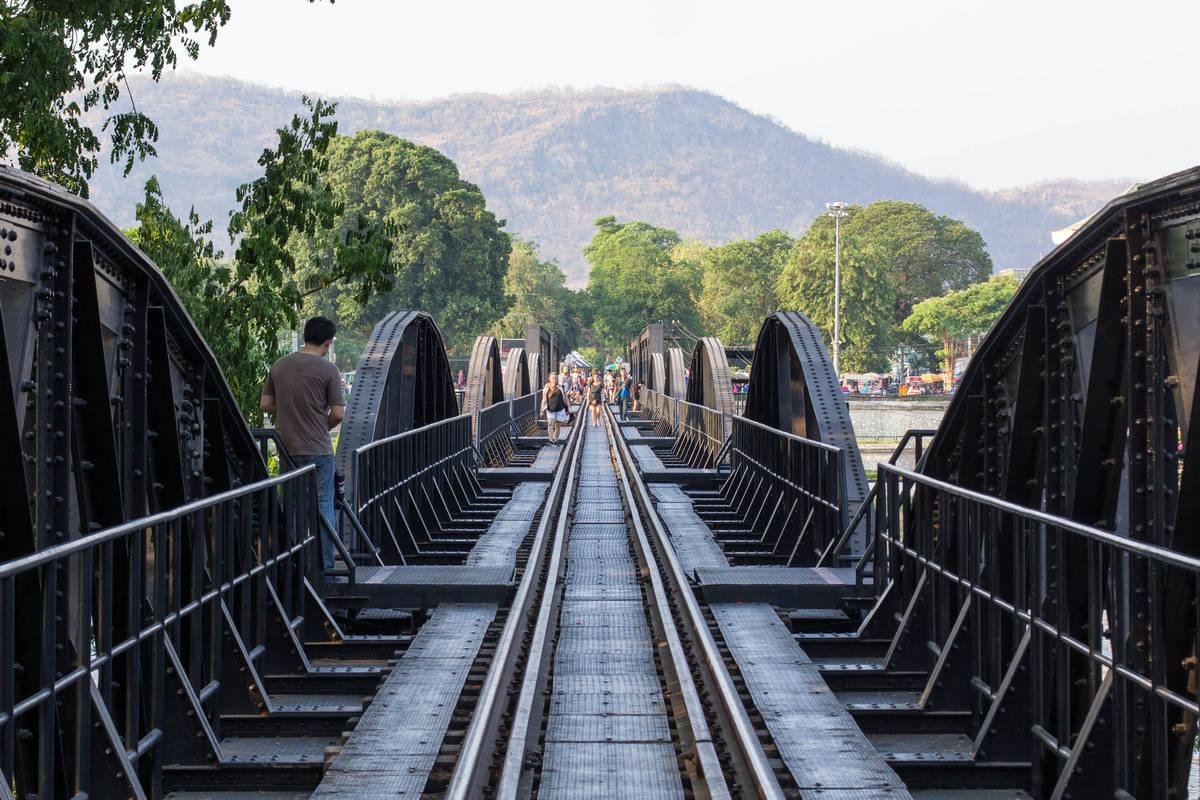
Kanchanaburi - Nestled about 120 km west of Bangkok, Kanchanaburi is a province that quietly surprises. Here, jungle-covered hills meet tragic wartime history, and sleepy river towns echo with stories of resilience. Whether you're drawn to the past, lush nature, or a serene getaway, Kanchanaburi offers something real — less polished than Thailand’s southern beaches but far...
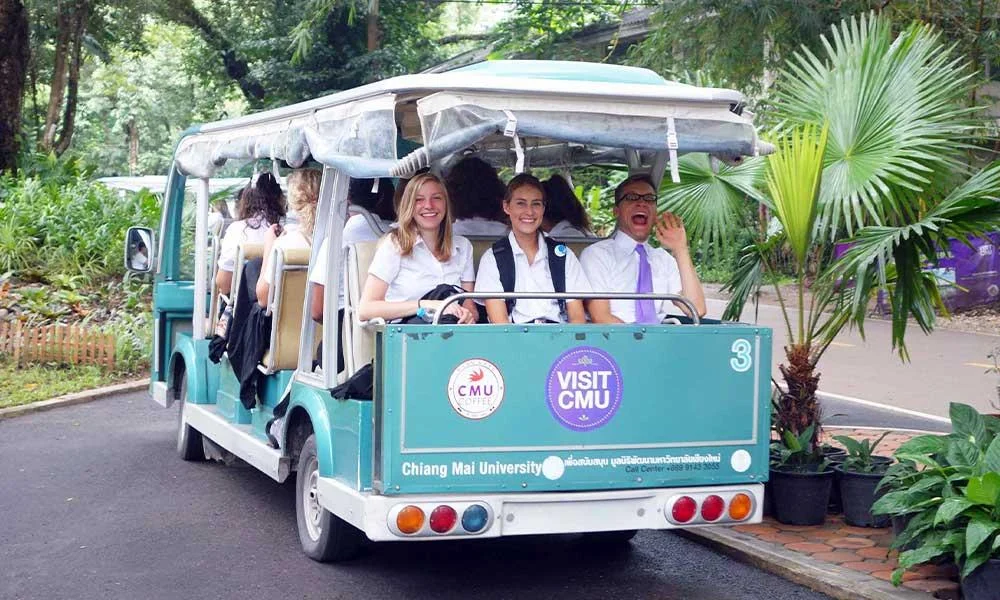
Chiang Mai, known for its cultural richness and stunning landscapes, is also home to a thriving academic community that adds another layer of vibrancy to this enchanting city. In this blog post, we will delve into the world of universities in Chiang Mai, exploring the academic excellence, cultural diversity, and unique experiences that these institutions offer to students from around the...
Thailand, a land of vibrant culture, breathtaking landscapes, and warm hospitality, has become a beloved destination for people from all corners of the globe. The question often arises: what is it about Thailand that captures the hearts of foreigners? Let's delve into the myriad reasons that make this Southeast Asian gem a perennial favorite among international travelers. Cultural Richness:...
Chinatown - Tucked away in the heart of Bangkok lies one of the city’s most vibrant and historic districts: Chinatown, or as locals call it, เยาวราช (Yaowarat). A neighborhood bursting with color, culture, flavors, and fascinating history, Chinatown is a must-visit for travelers who want to experience a different side of the Thai capital — one where tradition meets chaos, and...