The Life of Transgender People in Thailand: Truths, Struggles, and Emerging Hope (🇺🇸/🇹🇭)

Transgender - Thailand is often thought of as relatively open to LGBTQ+ identities in Southeast Asia. There is visible presence of transgender people (“kathoey,” “ladyboys,” or more broadly “trans/gender diverse”) in entertainment, media, tourism, and urban life. But visibility alone doesn’t mean full equality. Many transgender people in Thailand live with conflicting realities: acceptance in some spaces, but often discrimination, legal invisibility, stigma, and barriers in others. This post explores what life is really like the good, the hard, and what needs to change.
Legal, Policy, and Institutional Landscape
These are the key formal frameworks that shape what transgender people in Thailand can and cannot do, what rights they have, and where the gaps are.
What is improving
-
Healthcare access through universal health system
-
In 2025, the Thai government allocated ≈ 145.63 million baht to expand gender‑affirming hormone therapy under the 30‑baht universal healthcare scheme via the National Health Security Office (NHSO). This is meant to benefit about 200,000 transgender individuals.
-
Medications such as estradiol tablets/patches, testosterone injections, some anti‑androgens, etc., are being included in the national procurement list.
-
-
Marriage Equality Law
-
In January 2025, Thailand enacted a same‑sex marriage law. This landmark legal change gives LGBTQ+ couples many rights formerly inaccessible. However, while same‑sex couples now legally marry, this law does not automatically fix all issues facing transgender people (especially legal gender recognition).
-
-
Growing recognition in public dialogue and some protections
-
There is a legal framework in place with the Gender Equality Act (2015) that outlaws discrimination on the basis of gender identity/orientation.
-
Increased public awareness, NGOs and community groups are more active and better organised. Reports and studies (from UNDP, Human Rights Watch, etc.) are more frequent, documenting real experiences, identifying barriers, and pushing for changes.
-
What remains unresolved or challenging
-
Legal Gender Recognition is not yet in place
-
Transgender people cannot legally change their gender markers (on ID cards, passports, etc.) in Thailand. This means many carry ID documents that don’t match their gender identity, which leads to difficulties.
-
Encounters with government bureaucracy can be humiliating e.g. when applying for new IDs, or in official situations where officials compare past photos, ask invasive questions about bodies/transition.
-
-
Discrimination and stigma in daily life
-
In schools: transgender students often face bullying, strict uniform rules (forced to wear the uniform appropriate to the sex assigned at birth), and being singled out for “deviations.”
-
In public and private services: Persons report misgendering, unpleasant encounters with officials, lack of respect or privacy. E.g. hospital wards, government offices.
-
Workplace challenges: Difficulty in getting jobs when appearance or name mismatch with ID, some employers unwilling to hire openly transgender people, or expecting appearance aligned with sex assigned at birth.
-
-
Health risks and barriers
-
While hormone therapy is becoming more accessible via public funding, not all transgender people can access it easily. Some end up using non‑supervised or informal sources of hormones, which can lead to health risks.
-
Mental health issues from stigma, discrimination, family rejection, bullying are common, and services (psychological counseling, support groups) are not always accessible or visible.
-
-
Violence, hate crimes, and legal protection gaps
-
Transgender individuals remain vulnerable to violent attacks, harassment, and abuse. Some cases receive media attention, but many more are unreported or poorly addressed.
-
Lack of specific hate crime laws that explicitly protect gender identity (beyond general anti‑discrimination) means perpetrators are often not punished appropriately. Victims may struggle to seek justice.
-
-
Rural vs Urban disparity
-
People living in big cities (Bangkok, Chiang Mai, Pattaya) usually face fewer hurdles, more accessible health care, more LGBTQ+ friendly social circles.
-
In rural areas, smaller towns, more conservative regions, traditional values often predominate. Trans people may face more family rejection, fewer medical options, more stigma.
-
Lived Experience: What Day‑to‑Day Life Often Looks Like
Here is what many transgender people report experiencing a composite drawn from studies, interviews, and reporting. Every person’s life is unique, but common patterns emerge.
Recent Changes & Emerging Hope
Amidst the challenges, there are signs of progress and reasons for cautious optimism. Some of the recent changes in Thailand have made real difference, even if more remains to be done.
-
Public funding of hormone therapy under universal healthcare is historic. It is a real shift in recognizing the needs of trans people and trying to reduce financial barriers.
-
Same‑sex marriage law gives legal recognition to LGBTQ+ couples, which helps with rights around inheritance, spousal benefits, etc. While legal gender recognition remains unresolved, this is a major step in equality.
-
Growing awareness by officials and in media, more research being done (UNDP, HRW, others) that brings data about discrimination, mental health, barriers. Such data helps inform advocacy.
-
Some institutions have begun reforms: allowing more flexible uniforms in universities, more gender‐inclusive policies in some workplaces, or better training for health providers. (Though these reforms are not yet uniform or universal.)
What Still Needs to Change
To make life significantly better and more equitable, many transgender people and advocates suggest several key reforms:
-
Legal Gender Recognition Laws
-
Allow changing gender markers (on ID cards, passports, other legal documents) based on self‑identity with a reasonable process (not always requiring major surgery or excessive medical proof).
-
Make legal identity reflect lived gender in all official systems (education, employment, travel, health).
-
-
Stronger Anti‑Discrimination Laws & Hate Crime Protections
-
Laws that clearly cover gender identity/expression in employment, education, healthcare, housing.
-
Clearer legal routes and protections for victims of verbal, physical, or institutional discrimination or violence.
-
-
Better Access to Health Services
-
Not just hormones, but surgery, counseling, mental health support.
-
Accessibility outside major cities; reduce cost; reduce stigma among providers; ensure safe, supervised care.
-
-
Education Reform & School Policies
-
Allow students to use restrooms consistent with identity; dress codes that don’t enforce appearance tied strictly to assigned sex at birth.
-
Anti‑bullying programs, teacher training, supportive school environments.
-
-
Social and Cultural Acceptance
-
More representation in media, but in ways that respect complexity (not just stereotypes or entertainment).
-
Public awareness campaigns to reduce stigma, especially in more conservative or rural areas.
-
Supportive families and communities; reducing the shame or hiding that many are forced into.
-
Conclusion: A Mixed Reality
The life of a transgender person in Thailand is not “either completely good or completely bad.” It is often a mixed reality of:
-
Genuine moments of acceptance, joy, self‑expression, community;
-
Legal and social barriers that force many to hide parts of themselves, compromise, or accept indignities;
-
Health challenges both from lack of access and from navigating systems not built for inclusion;
-
Mental and emotional toll from stigma, discrimination, mismatch between identity and legal documents, and social expectations.
But there is much to hope for. The recent policies (marriage equality, hormone therapy funding) are not just symbolic; they represent institutional shifts. Advocacy, visibility, research, and legal activism are moving the needle, slowly but steadily.
ชีวิตของคนทรานส์เจนเดอร์ในไทย: เรื่องจริงที่หลายคนอาจไม่รู้
ชีวิตคนทรานส์ในไทย มีทั้งด้านที่เป็นโอกาส ดีใจ ภูมิใจ — และด้านที่ยังมีอุปสรรค ความเจ็บปวด และความไม่เท่าเทียมอยู่มาก ด้านล่างเป็นภาพรวม + เรื่องราวจริง +สิ่งที่ยังต้องแก้ไข
1. คำศัพท์ / ความเข้าใจพื้นฐาน
-
ทรานส์เจนเดอร์: คนที่อัตลักษณ์ทางเพศ (gender identity) ไม่ตรงกับเพศที่กำหนดให้ตั้งแต่เกิด
-
กะเทย / คะโตอี (kathoey): คำไทยดั้งเดิมที่ใช้กับผู้หญิงทรานส์หรือผู้ที่มีการแสดงออกทางเพศ/เพศภาพที่ไม่เข้มงวดตามแบบเพศชายเต็มตัว คำนี้มีทั้งโอกาสถูกใช้ในเชิงเข้าใจยอมรับ และในบางครั้งถูกใช้ในแง่ลดทอนหรือครหาดูถูก
-
Legal Gender Recognition (การยอมรับเพศตามกฎหมาย): ความสามารถตามกฎหมายที่จะเปลี่ยนนามสกุล หรือตัวระบุเพศในเอกสารราชการให้ตรงกับอัตลักษณ์จริงของตน
2. กฎหมาย &นโยบาย (What the Law Says / Doesn’t Say)
✅ สิ่งที่มี:
-
ประเทศไทยมีกฎหมาย Gender Equality Act (พ.ร.บ. ความเท่าเทียมทางเพศ พ.ศ. 2558) ที่ห้ามการเลือกปฏิบัติบนพื้นฐานของอัตลักษณ์ทางเพศ หรือเพศสภาพ (gender identity) และเพศวิถี (sexual orientation)
-
มีการประกาศและสนับสนุนเรื่องสิทธิ LGBTQ+ มากขึ้น ทั้งการอนุญาตให้คู่เพศเดียวกันแต่งงานได้ (same‑sex marriage) เมื่อมกราคม 2025
❌ สิ่งที่ยังไม่มี / ปัญหาที่ยังค้างอยู່:
-
ไม่สามารถเปลี่ยนเพศในเอกสารราชการ ได้แบบเป็นทางการ (เช่น บัตรประชาชน หนังสือเดินทาง) ให้ตรงกับเพศที่ตัวเองระบุว่าเป็นจริง
-
ร่างกฎหมายที่เสนอให้มีการยอมรับทางกฎหมาย (Legal Gender Recognition) ถูกปฏิเสธในรัฐสภา (Parliament) เมื่อกลางปี 2024 ซึ่งหมายความว่าคนทรานส์/เพศทางเลือกไม่ได้รับสิทธิในส่วนนี้จากรัฐ ณ ตอนนี้
-
กฎหมาย/นโยบายที่มีอยู่ มักถูกบังคับใช้ไม่สม่ำเสมอ หรือมี “ดุลพินิจ” (discretion) ให้เจ้าหน้าที่ราชการตัดสินใจ ซึ่งอาจนำไปสู่การเลือกปฏิบัติหรือความไม่เป็นธรรมได้
3. ชีวิตประจำวัน &ประสบการณ์ส่วนตัว
นี่คือภาพจากการศึกษาจริง /บทสัมภาษณ์ /รายงานต่าง ๆ ที่สะท้อนความเป็นจริงของคนทรานส์ในไทย
👶 ตอนเด็ก / การเติบโต
-
หลายคนเริ่ม “รู้ว่าตัวเองไม่ใช่เพศที่ได้รับตั้งแต่เกิด” ตั้งแต่วัยเด็กหรือวัยรุ่น แต่หลาย ๆ ครอบครัวยังไม่เข้าใจ หรือให้ความกดดันให้เป็นไปตามบทบาทเพศชาย/หญิงที่ “ควรจะเป็น” ตามประเพณี/วัฒนธรรม
-
การโรงเรียน: ต้องใส่เครื่องแบบตามเพศที่กำหนดไว้ตั้งแต่เกิด, ร้องเรียนเรื่องการกลั่นแกล้ง (bullying), เพื่อน นักเรียน ครูบางคนล้อเลียน หรือดูถูกด้านเสียง การแสดงออก น้ำเสียง เสื้อผ้า ฯลฯ
🏢 ที่ทำงาน /สังคมทั่ว ๆ ไป
-
การสมัครงาน: บางแห่งตั้งเงื่อนไขว่าต้อง “หน้าตา /แต่งกาย /แสดงออก” ตามเพศที่ระบุในบัตรประชาชน ทำให้บางคนตกงาน ถูกปฏิเสธงาน หรือจำเป็นต้องปิดบังตนเองเพื่อแค่ให้ผ่านการสัมภาษณ์
-
ในที่สาธารณะ /เดินทาง /ใช้บริการสาธารณะ เช่น รถเมล์ รถไฟฟ้า บีทีเอส/เอ็มอาร์ที คนทรานส์บางคนเล่าว่าต้องเลือกแต่งตัวให้ “กลาง ๆ /ไม่โดดเด่น” เวลาที่ใช้บริการสาธารณะ เพื่อหลีกเลี่ยงสายตา คำพูดล้อเลียน หรือการคุกคาม
🏥 สุขภาพ &การรักษา
-
การเข้าถึงบริการ “gender‑affirming care” (ฮอร์โมน, ผ่าตัดแปลงเพศ ฯลฯ): มีในคลินิกเอกชนหลายแห่ง โดยเฉพาะในเมืองใหญ่ กรุงเทพ เชียงใหม่ พัทยา ฯลฯ แต่ไม่รวมในระบบประกันสุขภาพถ้วนหน้า (Universal Health Coverage) เป็นทางการ และมีค่าใช้จ่ายสูงเมื่อไปเอกชน
-
บางครั้งขาดความเข้าใจจากบุคลากรทางการแพทย์: misgendering (เรียกเพศไม่ถูกต้อง), คำถามส่วนตัวมากเกินไป หรือมีท่าทีเหยียด /ไม่เคารพความเป็นส่วนตัว
😔 ผลกระทบทางจิตใจ &สังคม
-
ซ่อนตัว /ไม่เปิดเผยตัวตน: โดยเฉพาะในครอบครัว หรือในที่ทำงาน เพื่อหลีกเลี่ยงการถูกปฏิเสธ ประจาน หรือโดนทำร้ายทั้งทาง Verbal /กายภาพ
-
การถูกคุกคาม /ล้อเลียน /ถูกรังแก: ไม่ใช่เรื่องแปลก มีทั้งในโรงเรียน ในที่สาธารณะ ในราชการ ฯลฯ
4. เรื่องราวโดดเด่น / ตัวแบบที่สร้างแรงบันดาลใจ
มีทรานส์หลายคนในไทยที่ประสบความสำเร็จ บางรายเป็นคนดัง บางรายทำงานในวงการบันเทิง หรือเป็นแบบอย่างให้กับคนอื่น:
-
Treechada Petcharat (น้องปอยด์): เป็นนางแบบ /ดารา ที่ได้รับการรับรู้ในไทยและต่างประเทศ มีการผ่าตัดแปลงเพศตั้งอายุน้อย และใช้ชีวิตอย่างเปิดเผย เป็นเสียงเรียกร้องสิทธิในหลายเวที
-
Bell Nuntita: นักร้อง /นักแสดงที่เป็นทรานส์ เล่าประสบการณ์และชีวิตในวงการบันเทิง ความยากลำบากและการยอมรับจากสังคม
เรื่องราวเหล่านี้ช่วยให้คนทั่วไปเห็นว่า ทรานส์ไม่ใช่ “คนที่ต้องอยู่ในเงา” เท่านั้น แต่มีงาน มีชีวิต มีความฝัน มีเสียง
5. ความท้าทายที่ยังอยู่ &สิ่งที่ต้องเปลี่ยน
นี่คือสิ่งสำคัญที่หลายคนในวงการ LGBTQ+ /ทรานส์เจนเดอร์ เรียกร้อง /เสนอแนะ
-
กฎหมายยอมรับเพศ (Legal Gender Recognition Law) — ให้ทรานส์สามารถเปลี่ยนเพศในเอกสารราชการได้ตามอัตลักษณ์จริง โดยไม่จำเป็นต้องมีการผ่าตัด /คำรับรองทางแพทย์ที่ยุ่งยากมากเกินไป
-
การบังคับใช้กฎหมายความเท่าเทียม (Anti‑discrimination) อย่างจริงจัง — มีบทลงโทษชัดเจนเมื่อมีการเลือกปฏิบัติ เช่น ในการศึกษา /สถานที่ทำงาน /บริการสุขภาพ ฯลฯ
-
สุขภาพที่ครอบคลุม — ให้บริการแปลงเพศ /ฮอร์โมน /จิตวิทยา /การดูแลหลังการผ่าตัด มีคุณภาพ ราคาที่คนทั่วไปเอื้อมถึง และมีในโรงพยาบาลของรัฐด้วย ไม่ใช่เฉพาะเอกชน
-
การรับรู้ในสังคมตั้งแต่ต้น — ในครอบครัว งานโรงเรียน ควรมีการศึกษาเรื่องอัตลักษณ์ทางเพศ ความหลากหลาย ให้เข้าใจ ไม่บังคับไม่กดดันไม่ล้อเลียนกันตั้งแต่เด็ก
-
สร้างพื้นที่ปลอดภัย — กลุ่มสนับสนุน ทุนช่วยเหลือ สถานที่ปรึกษา/ให้คำแนะนำทางกายและใจ สำหรับคนทรานส์ โดยเฉพาะในพื้นที่ชนบทหรือเมืองเล็ก ที่ทรัพยากรไม่มาก
6. ความหวัง &แนวโน้มในไทย
-
สังคมไทยเริ่มมีการยอมรับมากขึ้นในวงกว้าง โดยเฉพาะในเมืองใหญ่ เช่น กรุงเทพฯ เชียงใหม่ พัทยา ฯลฯ คนทรานส์มีพื้นที่แสดงออกมากขึ้น ทั้งในงานบันเทิง, โซเชียลมีเดีย, beauty pageants เช่น Miss Tiffany’s Universe ฯลฯ
-
นโยบาย/กฎหมายใหม่ ๆ เริ่มถูกเสนอ เช่น same‑sex marriage ผ่านแล้ว, ความพยายามผลักดันกฎหมายเปลี่ยนเพศตามกฎหมายก็ยังมีอยู่ แม้จะถูกปฏิเสธมาแล้ว แต่ก็มีแรงสนับสนุนเพิ่มขึ้น
-
องค์กรภาคประชาสังคม (NGOs, กลุ่ม rights‑based) และเครือข่ายทรานส์ในไทยทำงานหนักเพื่อสร้างการรับรู้ จัดสนับสนุน ติดตามผลกระทบ และเสนอแนะนโยบายที่แท้จริงแก่ภาครัฐ
7. ข้อเท็จจริงที่หลายคนอาจไม่รู้
-
ถึงแม้ไทยจะมีชื่อเสียงว่า “เปิดกว้าง” กับทรานส์เจนเดอร์ แต่ชื่อเสียงนี้ไม่ใช่ภาพรวมแบบครบถ้วน คนทรานส์ยังคงเผชิญการเลือกปฏิบัติในหลายมิติ
-
การมี “ตัวแทนที่ดัง” หรือ “งานบันเทิง” ไม่ได้แปลว่าคนทรานส์ทุกคนได้ชีวิตที่ดี คนที่อยู่ในพื้นที่ชนบท หรือไม่มีทรัพยากร มักเจออุปสรรคหนักกว่า
-
การแต่งตัว แสดงออก อาจได้รับการยอมรับในบางที่ แต่ “การเข้าใจ /ยอมรับภายในใจของคนอื่น” ยังแตกต่างกันมาก ขึ้นกับครอบครัว ชุมชน มาตรฐานสังคม
สรุป
ชีวิตของคนทรานส์เจนเดอร์ในไทยคือการเดินทางที่เต็มไปด้วยความหวังและอุปสรรค บางวันมีความภาคภูมิใจ บางวันโดนลดทอนศักดิ์ศรี
สิ่งที่ควรจำ:
-
ความเท่าเทียมด้านกฎหมายยังไม่สมบูรณ์
-
สิทธิพื้นฐาน เช่น เอกสารราชการ สุขภาพ การศึกษา ยังคงมีช่องว่าง
-
การสนับสนุนจากครอบครัว สังคม และหน่วยงานภาครัฐ เป็นหัวใจสำคัญ
Categorie
- Art
- Business & Work
- Cost of Living
- Crafts
- Culture & Traditions
- Digital Life
- Expat Life
- Farmer Life
- Festivals & Events
- Finance & Banking
- Food & Drink
- Health & Wellness
- Hidden Gems
- History & Heritage
- Lingue
- Literature
- Nature & Adventure
- Networking
- Nightlife & Entertainment
- Real Estate
- Religion
- School & Education
- Shopping & Markets
- Social Life
- Sports
- Theater & Shows
- Transport
- Travel
- Visas & Immigration
- Altre informazioni
Leggi tutto
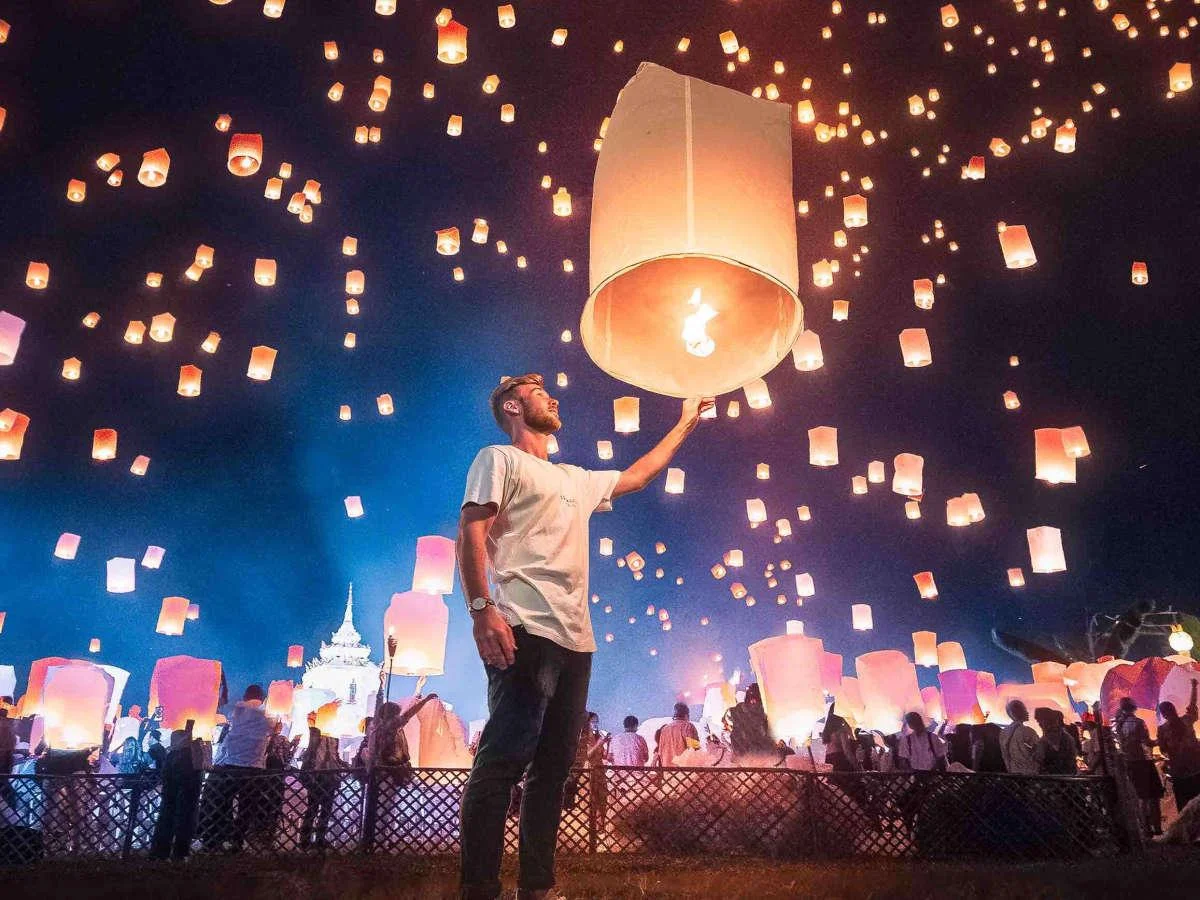
Chiang Mai: Nestled in the heart of Northern Thailand, Chiang Mai is renowned for its rich cultural tapestry and vibrant festivals. One of the most enchanting and captivating celebrations is the Lantern Festival, also known as Yi Peng. This annual event transforms the night sky into a breathtaking canvas of lights and carries profound cultural significance. Join us as we delve into the magic...
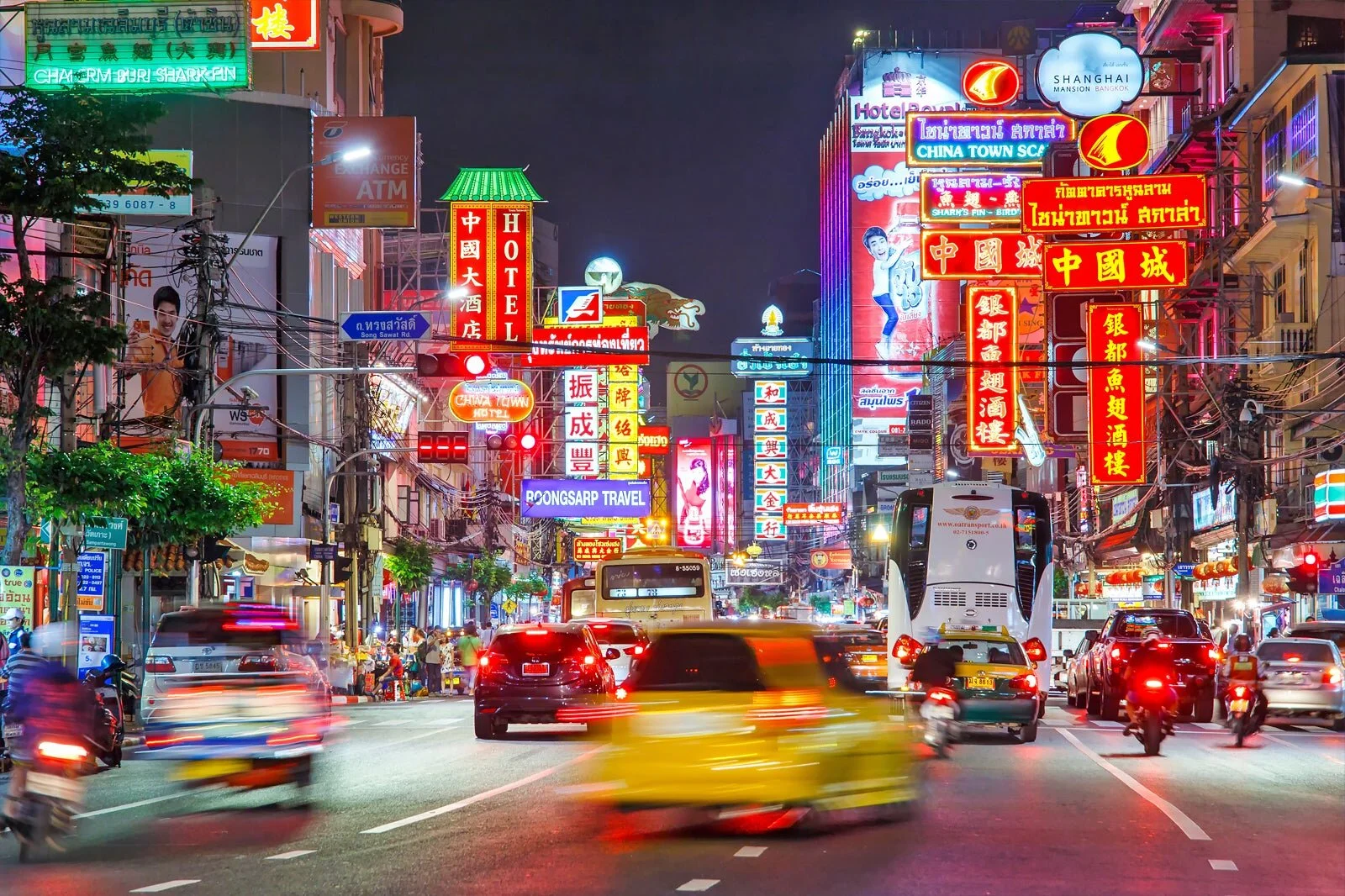
Chinatown - Tucked away in the heart of Bangkok lies one of the city’s most vibrant and historic districts: Chinatown, or as locals call it, เยาวราช (Yaowarat). A neighborhood bursting with color, culture, flavors, and fascinating history, Chinatown is a must-visit for travelers who want to experience a different side of the Thai capital — one where tradition meets chaos, and...
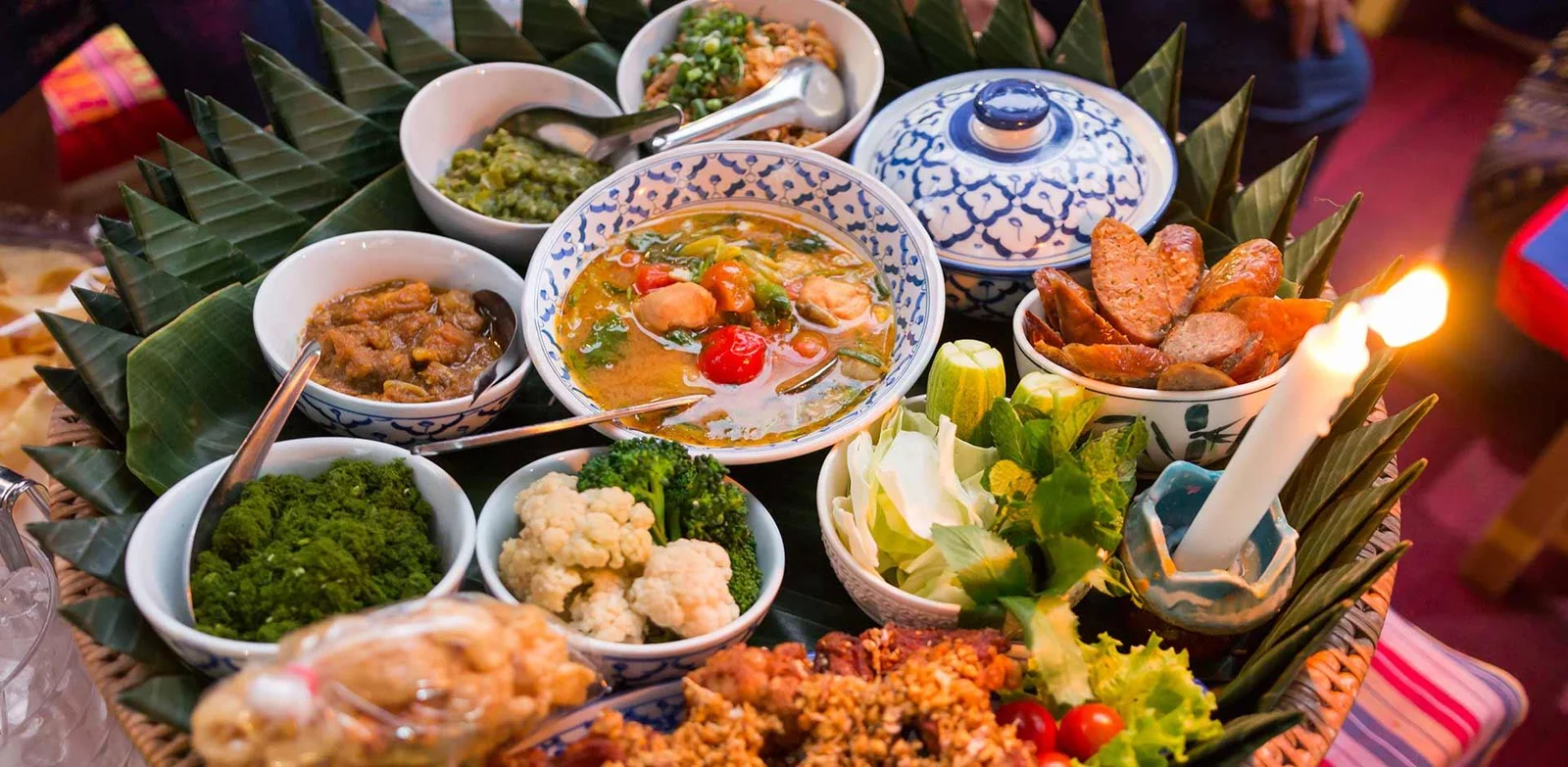
Thailand, a country known for its vibrant culture and breathtaking landscapes, is equally celebrated for its diverse and delectable culinary offerings. The regional variety of Thai cuisine is a culinary kaleidoscope that showcases a rich tapestry of flavors, ingredients, and cooking techniques. In this blog post, we embark on a delightful journey through the various regions of Thailand,...
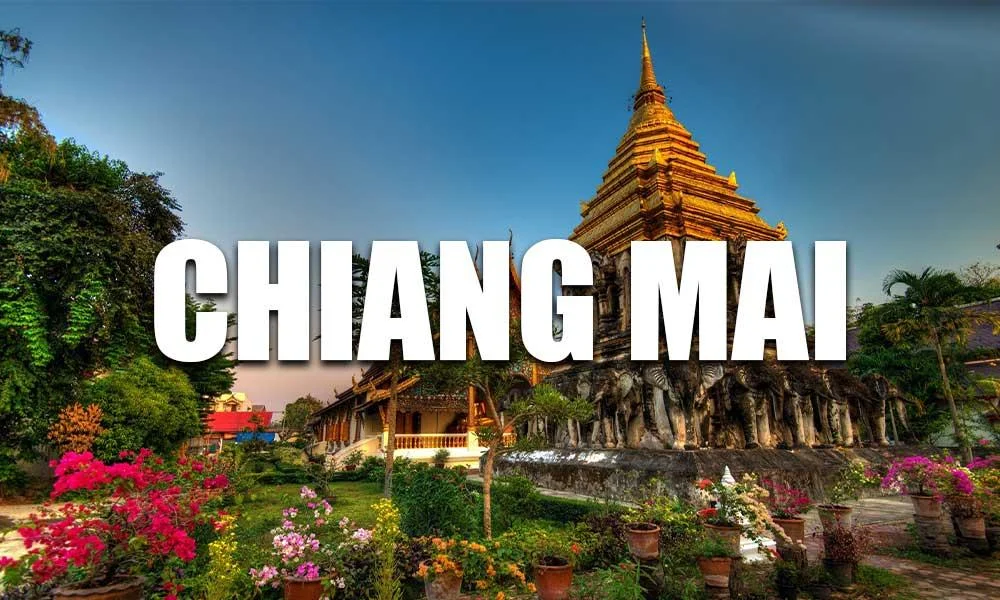
Chiang Mai, Nestled in the mountainous landscapes of Northern Thailand, Chiang Mai is a city that breathes culture at every corner. From its ancient temples to vibrant festivals, the cultural richness of Chiang Mai is a tapestry woven with threads of tradition, spirituality, and modern influences. In this exploration, we embark on a journey through the diverse facets of Chiang Mai's culture,...
Fisher LIfe: Nestled along Thailand's picturesque coastlines and vibrant waterways is a way of life intricately woven with the ebb and flow of the ocean—the life of Thai fishermen. In this blog, we dive into the fascinating world of Thailand's fisher life, exploring the deep connection between these communities and the bountiful seas that surround the Land of Smiles. Coastal...