The Vanishing Art of Thai Spirit Houses (🇺🇸/🇹🇭)

The Vanishing Art of Thai Spirit Houses
The Master Carvers Preserving a Fading Tradition
Across Thailand, it is impossible to walk far without seeing a spirit house. These small shrines, usually placed in front of homes, offices, or hotels, are among the most recognizable symbols of Thai culture. They serve as a dwelling for protective spirits and represent the harmony between humans and the supernatural world. Although spirit houses appear almost everywhere, very few people know how they are made or the craftsmen behind them. The art of carving spirit houses is an ancient practice that is slowly disappearing as modern manufacturing replaces traditional skills.

The Cultural Meaning Behind Spirit Houses
A spirit house is much more than a decorative item. According to Thai belief, every plot of land has a guardian spirit. Building a spirit house gives the spirit a place to reside so that it does not disturb the humans living or working nearby. The house is offered food, flowers, incense, and drinks each day, forming a daily ritual that connects people to the unseen world.
For centuries spirit houses were carved by master artisans who understood both craftsmanship and spiritual symbolism. Every detail from the roof shape to the base structure carries meaning. The overall design reflects Thai identity, with influences from Lanna, Ayutthaya, and Rattanakosin architectural styles depending on the region.
The Master Carvers and Their Hidden Workshops
In the past, nearly every province had a group of skilled carvers who specialized in building spirit houses. Today only a handful remain. These craftsmen work quietly in small workshops, surrounded by teakwood and chisels that have been used for decades. Many learned the craft from their fathers and grandfathers. The knowledge was passed down through practice rather than written instruction.
A traditional spirit house begins with a selection of wood that is believed to be spiritually neutral and suitable for sacred use. Teak is the most common choice because of its durability. The carver studies the wood grain to decide which parts will become walls, door frames, or roof panels.
The carving process is slow and deliberate. Each curve of the roof is shaped by hand. Every pillar is balanced to ensure that the spirit house stands firmly. Decorative elements such as naga serpents, lotus patterns, and celestial motifs are all carved with precision. The carver must maintain symmetry because a spirit house is considered a sacred structure and cannot be built carelessly.
Some senior craftsmen also understand traditional astrology and advise clients on auspicious days and directions for placing the spirit house. In these cases the craft becomes a combination of woodwork and spiritual guidance.

The Threat of Mass Production
Today the biggest challenge facing this traditional art form is the rise of factory produced spirit houses. Molded concrete versions are inexpensive and easy to transport. Many homeowners choose convenience over craftsmanship. As a result wooden spirit houses carved by hand are becoming rare.
Young people in the villages where carving once flourished are no longer interested in learning the skills. The work is difficult, time consuming, and often undervalued. Many carvers say that they cannot find apprentices to continue the trade. Some workshops close when the master carver retires or passes away because nobody is able to take over.
The shift away from handmade spirit houses also affects the cultural depth of the item itself. Factory produced models often lack the symbolic architecture and spiritual design that were once essential. They serve the basic purpose but do not hold the same artistic or historical significance.
Regional Styles That Are Disappearing
Different areas of Thailand once had their own distinct style of spirit house. In the North the Lanna style featured steep roofs and delicate wooden fretwork. In the Central region the houses often resembled miniature Thai temples with multi tiered roofs and golden accents. In the South spirit houses were sometimes influenced by Malay architecture with more curved lines and lighter wood.
These variations showed the diversity of Thai craftsmanship. As the tradition declines many of these styles are becoming harder to find. Younger generations may grow up seeing only concrete versions that do not reflect the full cultural heritage.

A Glimpse Into the Future
There is still hope for the tradition if awareness grows. Some universities and cultural organizations have begun documenting the work of master carvers. A few designers are also collaborating with craftsmen to create modern interpretations that still respect the original meaning.
Specialty workshops in Chiang Mai, Nakhon Pathom, and Nakhon Nayok continue to produce handmade spirit houses for clients who appreciate the artistry. But the reality remains that these craftsmen are aging and the number of apprentices is very small.
The future of this craft will depend on whether Thai society continues to value spiritual and cultural authenticity or turns entirely to convenience.
Why the Story Matters
The vanishing art of spirit house carving reminds us that culture is not just preserved through ceremonies and beliefs but also through the hands of the people who create the objects we use in those rituals. The spirit house is a symbol of protection, respect, and gratitude. Losing the craftsmen who shape it would mean losing part of Thailand’s cultural identity.
By understanding the work behind these shrines and recognizing the dedication of the artisans who build them, we can help keep the tradition alive. Whether through supporting handmade spirit houses, sharing knowledge, or encouraging younger generations to learn the craft, every effort contributes to preserving a beautiful part of Thai heritage.
ศิลปะที่กำลังเลือนหายของศาลพระภูมิไทย
เรื่องราวของช่างแกะสลักผู้สร้างสรรค์งานศักดิ์สิทธิ์ที่กำลังหายไปจากสังคมไทย
ศาลพระภูมิเป็นหนึ่งในสิ่งที่พบเห็นได้ทั่วไปในประเทศไทย ไม่ว่าจะอยู่หน้าบ้าน ร้านค้า สำนักงาน หรือโรงแรม ศาลพระภูมิทำหน้าที่เป็นที่อยู่อาศัยของสิ่งศักดิ์สิทธิ์ตามความเชื่อโบราณ เพื่อคุ้มครองผู้คนและสร้างความสงบร่มเย็นให้แก่พื้นที่ แต่แม้จะพบเห็นได้ทุกที่ ผู้คนส่วนใหญ่กลับไม่รู้ว่าศาลพระภูมิที่งดงามเหล่านี้ถูกสร้างขึ้นอย่างไร หรือใครคือผู้ที่อยู่เบื้องหลังงานศิลปะเหล่านี้
ในความเป็นจริง การทำศาลพระภูมิด้วยมือเป็นภูมิปัญญาที่สืบทอดกันมาหลายชั่วอายุคน และกำลังเผชิญความเสี่ยงที่จะเลือนหายไปเมื่อยุคสมัยเปลี่ยนแปลงอย่างรวดเร็ว
ความหมายทางวัฒนธรรมของศาลพระภูมิไทย
ศาลพระภูมิเป็นสัญลักษณ์ของความเคารพต่อเจ้าที่เจ้าทาง ตามความเชื่อไทยโบราณ ทุกพื้นที่มีวิญญาณผู้ดูแล การตั้งศาลจึงเป็นการมอบที่อยู่ให้ท่าน เพื่อให้ท่านช่วยปกป้องผู้อาศัยและรักษาความเป็นสิริมงคล การบูชาด้วยน้ำ ดอกไม้ และธูปจึงเป็นส่วนหนึ่งของชีวิตประจำวัน
ในอดีตการสร้างศาลพระภูมิต้องอาศัยช่างฝีมือที่เข้าใจทั้งศิลปะ สถาปัตยกรรม และความเชื่อเชิงสัญลักษณ์ ทุกส่วนของศาลตั้งแต่หลังคา เสา ไปจนถึงลวดลายประดับ ล้วนมีความหมายและได้รับการออกแบบอย่างพิถีพิถัน
ช่างแกะสลักผู้สืบทอดงานศิลป์อันศักดิ์สิทธิ์
ช่างไม้ที่ทำศาลพระภูมิแบบดั้งเดิมมักอยู่ในหมู่บ้านเล็กๆหรือเวิร์กช็อปเก่าแก่ พวกเขาทำงานในพื้นที่เงียบๆ รายล้อมด้วยไม้สัก เครื่องมือแกะสลัก และกลิ่นหอมของไม้ที่เพิ่งถูกไส ช่างฝีมือเหล่านี้รับงานต่อจากรุ่นพ่อรุ่นปู่ ถ่ายทอดความรู้แบบปากต่อปาก ไม่ได้บันทึกเป็นตำรา
การเลือกไม้เป็นขั้นตอนสำคัญ ช่างต้องเลือกไม้ที่เหมาะสมสำหรับงานศักดิ์สิทธิ์ เช่น ไม้สักที่ทนทานและมีพลังงานเป็นกลาง จากนั้นจึงเริ่มออกแบบตัวศาลตามลายไทยท้องถิ่น หรือรูปแบบล้านนาหรืออยุธยา ขึ้นอยู่กับพื้นที่และความต้องการของลูกค้า
เมื่อการแกะสลักเริ่มต้น ช่างจะใช้เวลาอย่างมากในการทำเสา หลังคา ลายแกะ และส่วนประกอบเล็กๆ ทุกชิ้นต้องสมมาตร เสริมความสง่างามและความมั่นคงให้แก่ศาล ช่างบางคนยังเป็นผู้เชี่ยวชาญด้านฤกษ์และการวางตำแหน่งศาล ทำให้พวกเขาเป็นทั้งช่างไม้และผู้รู้ทางจิตวิญญาณในเวลาเดียวกัน
การคุกคามจากการผลิตแบบอุตสาหกรรม
ศาลพระภูมิแบบดั้งเดิมกำลังถูกลดความสำคัญลง เมื่อมีศาลพระภูมิแบบคอนกรีตหรือแบบหล่อที่ผลิตได้รวดเร็วและราคาถูกเข้ามาแทนที่ ผู้คนจำนวนมากเลือกซื้อศาลพระภูมิสำเร็จรูป เพราะสะดวกกว่าและหาได้ง่ายกว่า
ผลที่ตามมาคือ ช่างแกะสลักไม้จำนวนมากสูญเสียงานและเลิกอาชีพ ชุมชนที่เคยมีช่างไม้หลายสิบคน วันนี้อาจเหลือเพียงหนึ่งหรือสองคน บางเวิร์กช็อปปิดตัวลงเมื่อช่างรุ่นสุดท้ายเสียชีวิตหรือเกษียณ เพราะไม่มีผู้สืบทอด
นอกจากช่างจะลดลงแล้ว ความลึกซึ้งของศิลปะก็หายไปด้วย ศาลพระภูมิที่ผลิตจากแม่พิมพ์มักขาดความละเอียดทางสัญลักษณ์ ไม่ได้สะท้อนอัตลักษณ์ท้องถิ่น และไม่มีความรู้สึกขลังแบบศาลไม้งานมือที่เคยมีมาแต่ก่อน
เอกลักษณ์ของศาลไม้ในแต่ละภูมิภาค
ในอดีต ภาคเหนือ ภาคกลาง และภาคใต้ ต่างมีรูปแบบศาลพระภูมิเป็นของตัวเอง เช่น
ศาลแบบล้านนาที่มีหลังคาแหลมสูง
ศาลภาคกลางที่คล้ายสถาปัตยกรรมวัดไทย
ศาลภาคใต้ที่มีรูปทรงอ่อนโค้งคล้ายบ้านพื้นเมือง
สไตล์เหล่านี้สะท้อนบุคลิกภาพของแต่ละภูมิภาคอย่างชัดเจน แต่ปัจจุบันแทบจะหาดูได้ยากมาก เพราะศาลแบบสำเร็จรูปได้แทนที่สไตล์โบราณเกือบทุกรูปแบบ
อนาคตของศิลปะศาลพระภูมิไทย
แม้ศิลปะการทำศาลพระภูมิแบบดั้งเดิมจะกำลังลดน้อยลง แต่ก็ยังมีความหวังจากความพยายามของกลุ่มต่างๆ เช่น มหาวิทยาลัยที่เก็บข้อมูลช่างฝีมือเก่าแก่ ศิลปินที่ร่วมงานกับช่างเพื่อออกแบบศาลร่วมสมัย รวมถึงผู้สะสมที่ซื้อศาลไม้แกะสลักเพื่ออนุรักษ์ไว้
ช่างฝีมือในพื้นที่อย่างเชียงใหม่ นครนายก และนครปฐมยังคงทำศาลพระภูมิไม้แบบพรีเมียมให้ลูกค้าบางกลุ่ม แต่จำนวนช่างที่ยังอยู่ในอาชีพนั้นน้อยลงทุกปี
ทำไมเรื่องนี้จึงสำคัญ
ศาลพระภูมิไม่ได้เป็นแค่สถานที่บูชา แต่เป็นภาพสะท้อนของทักษะฝีมือ ความเชื่อ และภูมิปัญญาไทย หากไม่มีผู้สร้าง ก็เท่ากับว่าส่วนหนึ่งของวัฒนธรรมไทยกำลังจางหายไปด้วย
การสนับสนุนช่างแกะสลัก ศึกษาความหมายของศาล และสืบทอดคุณค่าทางจิตวิญญาณที่มาพร้อมกับมัน คือวิธีที่เราจะช่วยรักษาศิลปะแห่งนี้ให้ยังคงอยู่ต่อไป
#ThaiSpiritHouses
#ThaiCulture
#ThaiCraftsmanship
#SpiritHouseArt
#TraditionalThaiArt
#MasterCarvers
#ThaiHeritage
#CulturalPreservation
#ThailandHistory
#HiddenThailand
#ThaiWoodworking
#VanishingTraditions

หมวดหมู่
- Art
- Business & Work
- Cost of Living
- Crafts
- Culture & Traditions
- Digital Life
- Expat Life
- Farmer Life
- Festivals & Events
- Finance & Banking
- Food & Drink
- Health & Wellness
- Hidden Gems
- History & Heritage
- ภาษา
- Literature
- Nature & Adventure
- Networking
- Nightlife & Entertainment
- Real Estate
- Religion
- School & Education
- Shopping & Markets
- Social Life
- Sports
- Theater & Shows
- Transport
- Travel
- Visas & Immigration
- อื่นๆ
อ่านเพิ่มเติม
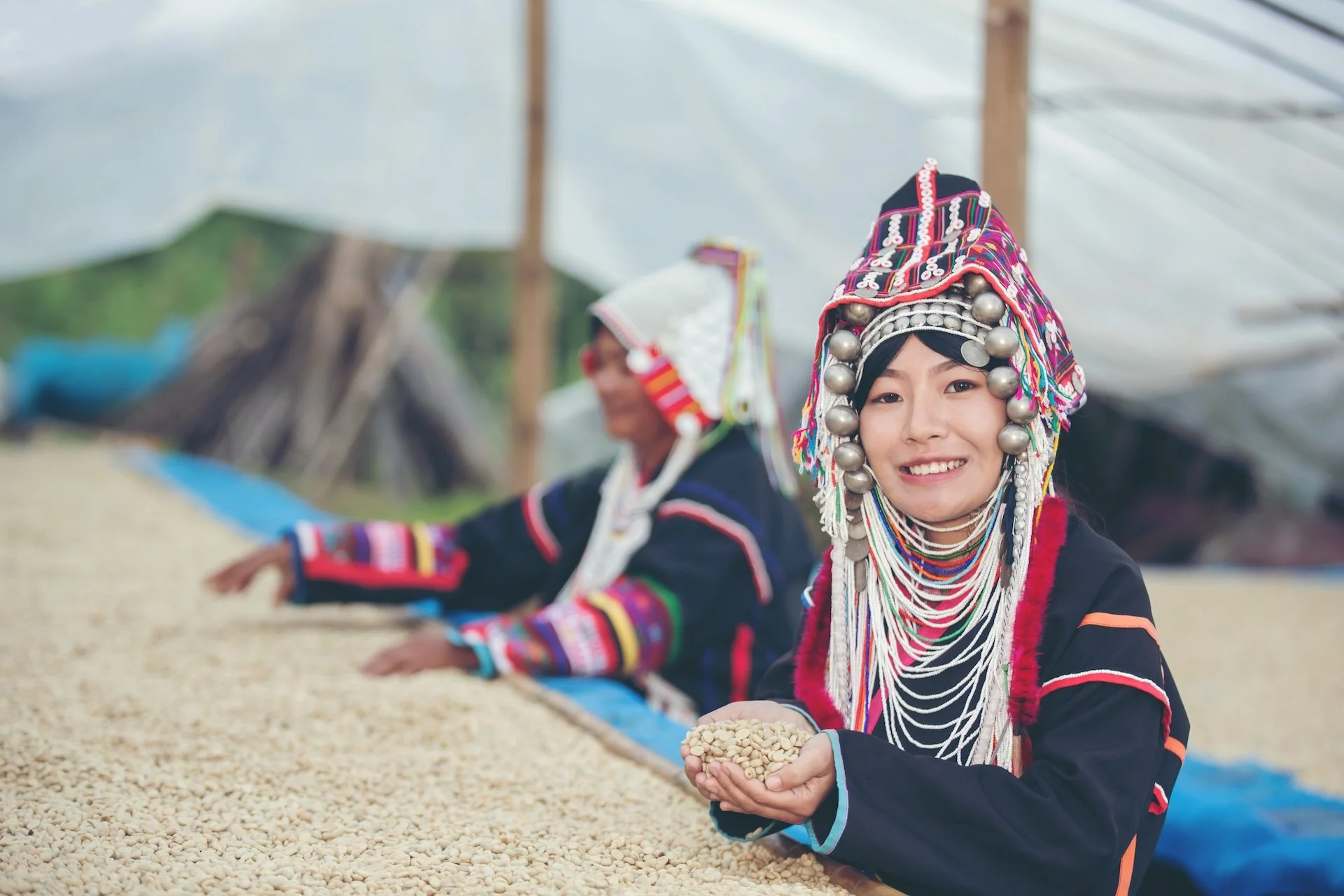
The Hmong and Lahu Coffee Revolution in the Mountains How Thailand’s Hill Tribes Are Becoming the New Leaders of Specialty Coffee In the high mountains of Chiang Mai, Chiang Rai, Mae Hong Son, and the border regions toward Myanmar and Laos, something extraordinary is happening. Far from the tourist cafés and trendy roasters in the cities, the Hmong and Lahu ethnic hill tribes are...
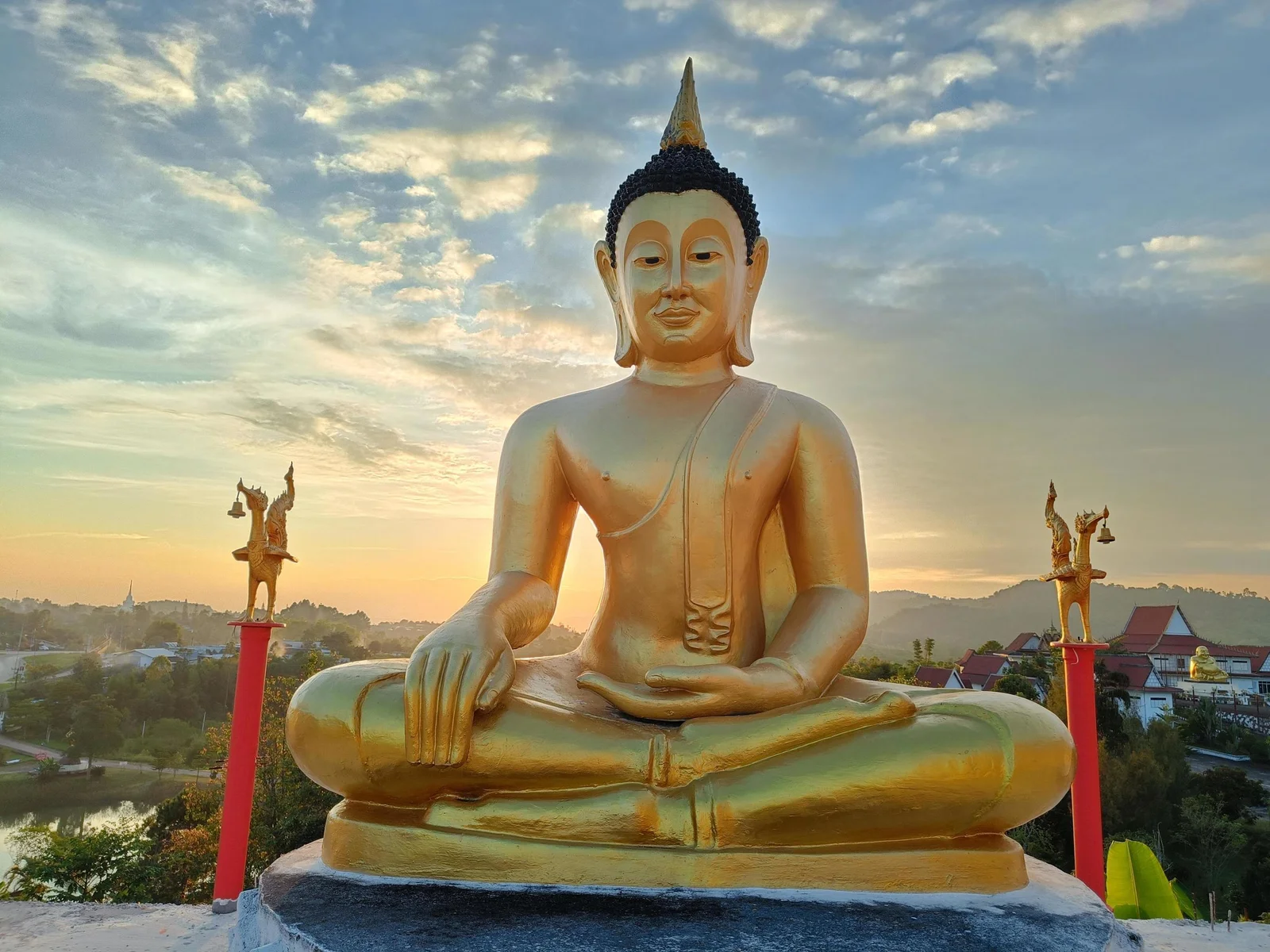
Buddhism, nestled within the heart of Thailand lies a profound spiritual heritage that has shaped the cultural landscape of the nation—the gentle teachings of Buddhism. As the majority religion in Thailand, Buddhism is not just a set of beliefs; it is a way of life that permeates every aspect of Thai society. In this blog, we embark on a spiritual journey to explore the essence of Thai...
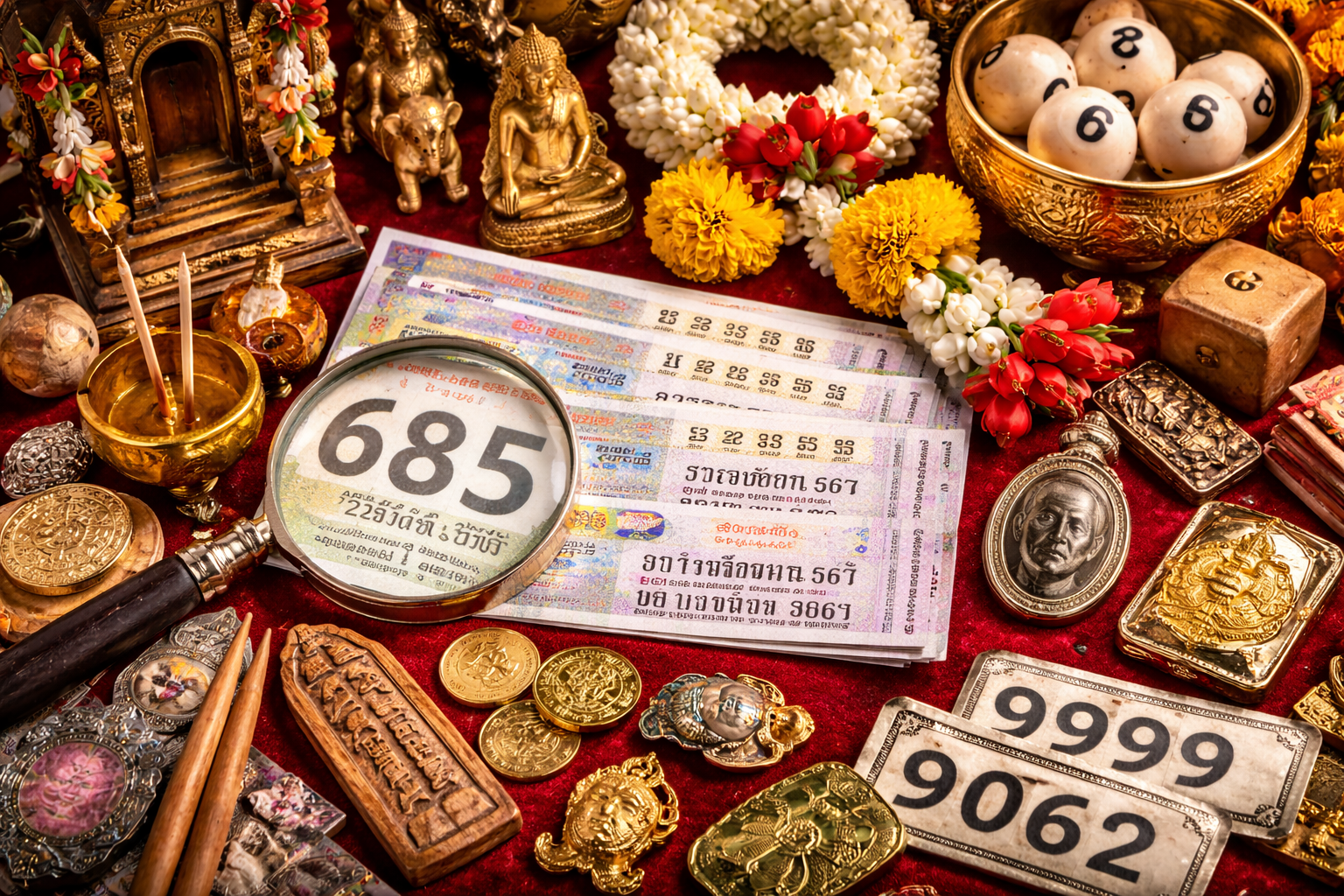
Thailand’s Obsession With Lucky Numbers and Where It Comes From In Thailand, numbers are never just numbers. They carry mood, promise, protection, and sometimes fear. From license plates and phone numbers to house addresses, lottery tickets, hotel rooms, and even timestamps on social media posts, numbers are read as signs. They are interpreted, discussed, avoided, or chased with quiet...
Kanchanaburi - Nestled about 120 km west of Bangkok, Kanchanaburi is a province that quietly surprises. Here, jungle-covered hills meet tragic wartime history, and sleepy river towns echo with stories of resilience. Whether you're drawn to the past, lush nature, or a serene getaway, Kanchanaburi offers something real — less polished than Thailand’s southern beaches but far...
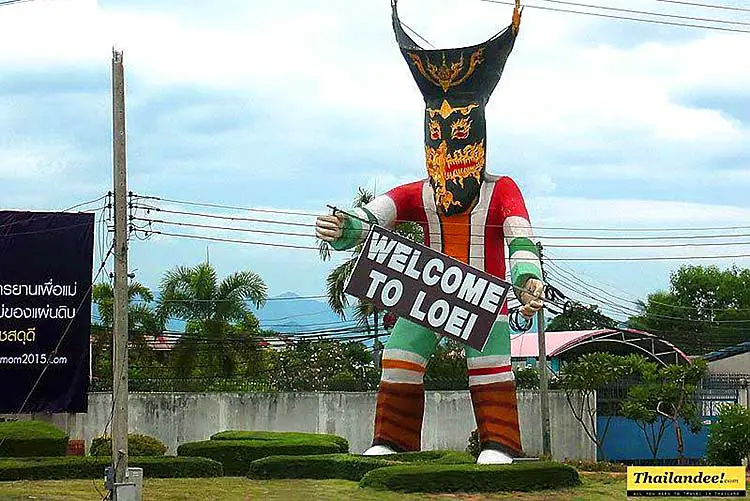
Loei: Thailand’s Quiet Mountain Province Where Time Slows Down When people think of Thailand, they often imagine tropical beaches, crowded islands, or nonstop city life. But in the far northeast of the country lies a province that feels completely different in pace, climate, and soul. Loei is one of Thailand’s most underrated destinations — a land of misty mountains, cool...