Khao Soi - The Soul of Northern Thailand in One Bowl (🇺🇸/🇹🇭)

Khao Soi
The Soul of Northern Thailand in One Bowl
There are dishes you eat and then forget, and there are dishes that stay with you long after the last spoonful. Khao Soi belongs firmly in the second category. For many people who visit Northern Thailand, this rich, aromatic noodle soup becomes more than just a meal. It becomes a memory, a comfort, and often a reason to return.
At first glance, Khao Soi looks simple. Egg noodles resting in a golden curry broth, topped with crispy fried noodles, slices of meat, pickled greens, shallots, lime, and chili oil. But behind this bowl lies centuries of history, migration, trade routes, and cultural blending that shaped Northern Thailand into what it is today.
Khao Soi is not just food. It is identity.
The Origins of Khao Soi and Its Forgotten History
Unlike many Thai dishes that originated in central Thailand, Khao Soi has roots far beyond modern Thai borders. Its story begins along ancient trade routes that connected China, Myanmar, Laos, and Northern Thailand.
The dish is believed to have been introduced by Muslim Chinese traders, often referred to as Chin Haw, who traveled through the region with caravans of goods. These traders brought wheat noodles, spices, and cooking techniques from Yunnan and Central Asia. Over time, their noodle soups blended with local ingredients and flavors, slowly transforming into what we now know as Khao Soi.
The name itself offers clues. Khao refers to rice or food, while soi is believed to relate to sliced or cut noodles. Early versions of Khao Soi were not even served with coconut milk. That rich element was added later as the dish adapted to local tastes and available ingredients in Lanna cuisine.
This evolution makes Khao Soi a perfect example of how Northern Thai food developed not in isolation, but through centuries of cultural exchange.
 Why Khao Soi Is Unique in Thai Cuisine
Khao Soi stands apart from most Thai curries. While central Thai curries are typically eaten with rice, Khao Soi centers around wheat egg noodles. The broth is thick but not heavy, spiced but not aggressively hot, and layered with flavors that unfold slowly.
The contrast in textures is what makes it unforgettable. Soft boiled noodles soak up the curry broth, while the crispy fried noodles on top add crunch. Pickled mustard greens cut through the richness with acidity. Raw shallots add sharpness. Lime brings freshness. Chili oil allows each person to control the heat.
Every bowl is interactive. You do not just eat Khao Soi. You adjust it, personalize it, and make it your own.
Traditionally, Khao Soi is made with chicken or beef, although pork and vegetarian versions are now common. In the past, beef was more typical, especially among Muslim communities. Chicken became dominant later due to availability and cost.
Khao Soi as a Cultural Symbol of the North
In Chiang Mai and surrounding provinces, Khao Soi is deeply tied to daily life. It is eaten for lunch, shared among families, served to guests, and often used as a benchmark to judge a cook’s skill.
Ask any local where to find the best Khao Soi and you will receive a passionate answer. Often followed by a debate.
Unlike dishes that are reserved for special occasions, Khao Soi is everyday food. That is what makes it powerful. It belongs to everyone, from street vendors to long established restaurants.
It is also one of the few Northern Thai dishes that has successfully traveled beyond the region without losing its identity. Yet many argue that Khao Soi outside the North never quite tastes the same. The balance feels off. The broth feels too sweet or too heavy. Something essential is missing.
That something is context. The climate, the ingredients, the water, and the cooking traditions of the North all play a role.
Where People Say the Best Khao Soi Is Found Today
Chiang Mai remains the undisputed capital of Khao Soi. The city is home to legendary shops that have been serving the dish for decades, often with recipes passed down through generations.
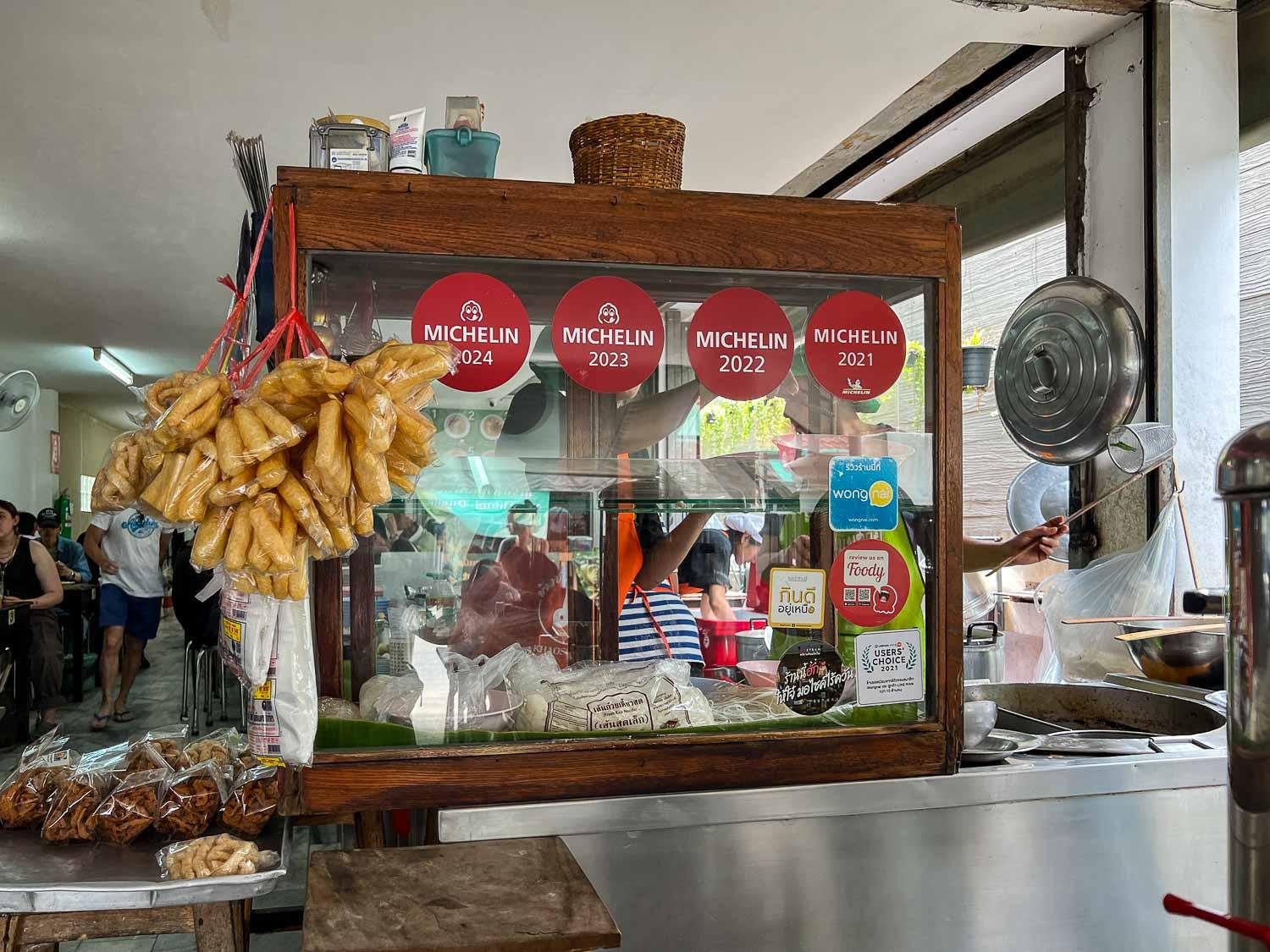
Some places are famous for their rich broth, others for their tender meat, and others for perfect balance. Many of the most respected spots are not fancy restaurants, but humble eateries with plastic chairs, handwritten menus, and loyal customers who return weekly or even daily.
Outside Chiang Mai, excellent Khao Soi can also be found in Chiang Rai, Lampang, and Lamphun. Each area adds subtle variations. Some use more turmeric, others lean more heavily on spices, and some prefer a lighter coconut presence.
In recent years, modern chefs have begun experimenting with Khao Soi, offering upscale versions with slow braised beef, wagyu, or even seafood. While these interpretations can be delicious, many locals still believe the best Khao Soi is found in simple shops that focus on tradition rather than presentation.
The Modern Khao Soi Experience
Today, Khao Soi exists in two worlds at once. One is deeply traditional, rooted in family kitchens and local markets. The other is global, appearing on international menus, food festivals, and social media feeds.
Tourists actively seek it out, often making it the first dish they try upon arriving in Chiang Mai. Food writers rank it among the best noodle soups in the world. Yet for locals, it remains comfort food rather than a trend.
This dual existence has helped preserve the dish while also pushing it into the future. Younger generations continue to eat it, cook it, and reinterpret it, ensuring it does not fade into nostalgia.
Why Khao Soi Endures
Khao Soi has survived centuries of change because it adapts without losing its soul. It welcomes new ingredients and interpretations but remains anchored in its core elements.
It is warm without being heavy. Spiced without being overwhelming. Familiar yet complex.
More importantly, it carries stories. Stories of migration, trade, adaptation, and community. Every bowl connects the present to the past.
To eat Khao Soi in Northern Thailand is to taste history quietly simmered into a broth, shaped by hands that learned from generations before them.
Final Thoughts
Khao Soi is not just a dish you try once. It is a dish you chase. Many people spend years searching for their perfect bowl, comparing flavors, textures, and memories.
And maybe that is the true beauty of Khao Soi. There is no single best version. Only the one that feels right to you, eaten in the right place, at the right time, with the right hunger.
In Northern Thailand, that moment is never far away.
ข้าวซอย
จิตวิญญาณของภาคเหนือที่รวมอยู่ในชามเดียว
มีอาหารบางอย่างที่เรากินแล้วจบลงตรงนั้น และมีอาหารบางอย่างที่ฝังอยู่ในความทรงจำ ข้าวซอยเป็นอาหารประเภทหลัง สำหรับใครก็ตามที่เคยใช้ชีวิตหรือเดินทางในภาคเหนือของประเทศไทย ข้าวซอยไม่ใช่แค่อาหารกลางวัน แต่เป็นความคุ้นเคย เป็นความอบอุ่น และเป็นรสชาติที่ทำให้หลายคนอยากกลับมาอีกครั้ง
เมื่อมองเผินๆ ข้าวซอยอาจดูเรียบง่าย เส้นบะหมี่ไข่วางอยู่ในน้ำแกงสีเหลืองทอง มีเส้นทอดกรอบ โรยหน้าด้วยผักกาดดอง หอมแดง มะนาว และน้ำมันพริก แต่เบื้องหลังชามนี้กลับเต็มไปด้วยเรื่องราวยาวนานหลายร้อยปี เรื่องราวของการเดินทาง การค้าขาย การผสมผสานของวัฒนธรรม และการปรับตัวของผู้คนในดินแดนล้านนา
ข้าวซอยไม่ใช่แค่อาหาร แต่คืออัตลักษณ์ของภาคเหนือ
จุดกำเนิดของข้าวซอยและประวัติศาสตร์ที่หลายคนไม่รู้
ข้าวซอยไม่ได้ถือกำเนิดขึ้นจากครัวไทยภาคกลางเหมือนอาหารไทยหลายชนิด แต่มีรากเหง้าที่เชื่อมโยงกับเส้นทางการค้าโบราณที่ทอดผ่านจีนตอนใต้ พม่า ลาว และภาคเหนือของไทย
มีความเชื่อกันว่าข้าวซอยถูกนำเข้ามาโดยพ่อค้าชาวมุสลิมเชื้อสายจีนยูนนาน หรือที่เรียกกันว่าชาวจีนฮ่อ กลุ่มคนเหล่านี้เดินทางค้าขายด้วยขบวนคาราวาน นำเส้นแป้งสาลี เครื่องเทศ และวิธีการปรุงอาหารจากแดนไกลเข้ามา เมื่อเวลาผ่านไป อาหารของพวกเขาค่อยๆ ปรับเข้ากับวัตถุดิบท้องถิ่นและรสนิยมของชาวล้านนา จนกลายเป็นข้าวซอยในรูปแบบที่เราคุ้นเคย
ในช่วงแรก ข้าวซอยไม่ได้ใช้น้ำกะทิ น้ำแกงจะใสกว่าและเน้นเครื่องเทศแบบจีนมุสลิม การเติมกะทิลงไปเป็นการพัฒนาภายหลังเมื่ออาหารเริ่มผสมผสานเข้ากับครัวล้านนาอย่างเต็มตัว
แม้แต่ชื่อข้าวซอยก็สะท้อนที่มา คำว่า ข้าว ในที่นี้ไม่ได้หมายถึงข้าวสวย แต่หมายถึงอาหาร ส่วนคำว่า ซอย เชื่อกันว่าหมายถึงการตัดเส้นบะหมี่ เป็นหลักฐานของอิทธิพลจากวัฒนธรรมการกินเส้น
ทำไมข้าวซอยถึงไม่เหมือนแกงไทยชนิดอื่น
ข้าวซอยแตกต่างจากแกงไทยทั่วไปอย่างชัดเจน แกงไทยภาคกลางมักกินคู่กับข้าว แต่ข้าวซอยใช้เส้นบะหมี่เป็นหลัก น้ำแกงมีความเข้มข้นแต่ไม่หนัก เครื่องเทศมีความลึกแต่ไม่รุนแรงจนกลบรสอื่น
เสน่ห์สำคัญของข้าวซอยอยู่ที่ความต่างของเนื้อสัมผัส เส้นต้มที่นุ่มดูดซึมน้ำแกง เส้นทอดกรอบที่เพิ่มความกรุบ ผักกาดดองที่ช่วยตัดเลี่ยน หอมแดงที่เพิ่มความฉุน มะนาวที่เติมความสด และน้ำมันพริกที่ปรับระดับความเผ็ดได้ตามใจผู้กิน
ข้าวซอยเป็นอาหารที่เปิดโอกาสให้ผู้กินมีส่วนร่วม ไม่มีชามไหนเหมือนกัน เพราะแต่ละคนปรุงรสในแบบของตัวเอง
ในอดีต ข้าวซอยนิยมใช้เนื้อวัวมากกว่า โดยเฉพาะในชุมชนมุสลิม ต่อมาเนื้อไก่ได้รับความนิยมมากขึ้นเพราะหาง่ายและราคาไม่สูง ปัจจุบันมีทั้งหมูและมังสวิรัติให้เลือกตามยุคสมัย
ข้าวซอยกับวิถีชีวิตของคนเหนือ
สำหรับคนเชียงใหม่และจังหวัดใกล้เคียง ข้าวซอยเป็นอาหารประจำวัน กินได้ทุกช่วงเวลา เป็นอาหารที่ใช้ต้อนรับแขก และเป็นหนึ่งในเมนูที่ใช้วัดฝีมือพ่อครัวแม่ครัว
ถามคนเหนือว่า ร้านข้าวซอยที่อร่อยที่สุดอยู่ที่ไหน คุณจะได้คำตอบที่หนักแน่นและแตกต่างกันเสมอ บางครั้งตามมาด้วยการถกเถียงอย่างจริงจัง
ข้าวซอยไม่ได้เป็นอาหารสำหรับโอกาสพิเศษ แต่มันเป็นส่วนหนึ่งของชีวิตประจำวัน และนั่นคือเหตุผลที่มันมีความหมายลึกซึ้ง
แม้ข้าวซอยจะเดินทางออกนอกภาคเหนือไปสู่เมืองอื่นและต่างประเทศ แต่หลายคนยังเชื่อว่ารสชาติที่แท้จริงต้องกินที่ภาคเหนือเท่านั้น น้ำแกงที่อื่นอาจหวานเกินไป เข้มเกินไป หรือขาดบางอย่างที่อธิบายไม่ได้ สิ่งนั้นคือบริบทของสถานที่และวัฒนธรรม
แหล่งข้าวซอยที่ผู้คนตามหากันในปัจจุบัน
เชียงใหม่ยังคงเป็นศูนย์กลางของข้าวซอย ร้านดังหลายแห่งเปิดมานานหลายสิบปี ใช้สูตรเดิมจากรุ่นสู่รุ่น บางร้านขึ้นชื่อเรื่องน้ำแกง บางร้านเด่นเรื่องเนื้อที่นุ่ม และบางร้านมีความสมดุลที่ลงตัว
ร้านข้าวซอยที่ได้รับความนิยมมากที่สุดมักไม่ใช่ร้านหรู แต่เป็นร้านธรรมดาที่มีเก้าอี้พลาสติก เมนูเขียนด้วยมือ และลูกค้าประจำที่แวะเวียนมาอย่างสม่ำเสมอ
นอกจากเชียงใหม่ จังหวัดอย่างเชียงราย ลำปาง และลำพูนก็มีข้าวซอยที่มีเอกลักษณ์ของตัวเอง บางแห่งเน้นเครื่องเทศ บางแห่งรสนุ่มกว่า และบางแห่งใช้กะทิน้อยกว่า
ในช่วงหลัง เชฟรุ่นใหม่เริ่มนำข้าวซอยไปตีความใหม่ ใช้เนื้อคุณภาพสูง หรือปรับการนำเสนอให้ทันสมัย แม้จะน่าสนใจ แต่สำหรับคนท้องถิ่น ข้าวซอยที่ดีที่สุดยังคงเป็นชามธรรมดาที่ซื่อสัตย์ต่อรากเดิมของมัน
ข้าวซอยในโลกยุคใหม่
ทุกวันนี้ ข้าวซอยมีชีวิตอยู่สองโลกพร้อมกัน โลกหนึ่งคือโลกดั้งเดิมของครัวบ้านและร้านท้องถิ่น อีกโลกหนึ่งคือเวทีระดับโลกที่อาหารจานนี้ถูกพูดถึงในสื่ออาหารนานาชาติ
นักท่องเที่ยวจำนวนมากตามหาข้าวซอยเป็นเมนูแรกเมื่อมาถึงเชียงใหม่ ขณะที่คนท้องถิ่นยังคงกินมันเหมือนเดิม ไม่ได้มองว่าเป็นกระแส แต่เป็นอาหารประจำวัน
ความสมดุลนี้ช่วยให้ข้าวซอยไม่หายไปตามกาลเวลา และยังคงถูกส่งต่อไปยังคนรุ่นใหม่
เหตุผลที่ข้าวซอยยังคงอยู่
ข้าวซอยอยู่รอดมาได้เพราะมันยืดหยุ่นโดยไม่สูญเสียตัวตน มันเปิดรับการเปลี่ยนแปลง แต่ยังคงแก่นแท้ของรสชาติและเรื่องราว
มันอุ่นสบายแต่ไม่หนัก เข้มข้นแต่ไม่รุนแรง คุ้นเคยแต่มีมิติ
ที่สำคัญ ข้าวซอยเป็นอาหารที่พาเราเชื่อมโยงกับอดีต ทุกชามคือผลลัพธ์ของการเดินทางของผู้คน วัฒนธรรม และเวลา
บทสรุป
ข้าวซอยไม่ใช่อาหารที่กินครั้งเดียวแล้วจบ แต่เป็นอาหารที่ทำให้หลายคนตามหา บางคนใช้เวลาทั้งชีวิตเพื่อค้นหาชามที่สมบูรณ์แบบที่สุด
และบางที นั่นคือเสน่ห์ที่แท้จริงของข้าวซอย ไม่มีข้าวซอยที่ดีที่สุดเพียงหนึ่งเดียว มีเพียงข้าวซอยที่ใช่สำหรับคุณ ในสถานที่ที่ใช่ และในช่วงเวลาที่เหมาะสม
สำหรับใครก็ตามที่อยู่ในภาคเหนือ ช่วงเวลานั้นอยู่ไม่ไกลเลย
#KhaoSoi
#NorthernThaiFood
#ThaiCuisine
#LannaCuisine
#ChiangMaiFood
#ThaiNoodles
#ThaiStreetFood
#FoodCultureThailand
#AuthenticThaiFood

Categories
- Art
- Business & Work
- Cost of Living
- Crafts
- Culture & Traditions
- Digital Life
- Expat Life
- Farmer Life
- Festivals & Events
- Finance & Banking
- Food & Drink
- Health & Wellness
- Hidden Gems
- History & Heritage
- Language
- Literature
- Nature & Adventure
- Networking
- Nightlife & Entertainment
- Real Estate
- Religion
- School & Education
- Shopping & Markets
- Social Life
- Sports
- Theater & Shows
- Transport
- Travel
- Visas & Immigration
- Other
Read More
THE REAL ORIGIN OF PATTAYAHow a Silent Shoreline Became Thailand’s Most Famous Tourism City. And Why the Vietnam War Was the Spark That Changed Everything A Quiet Bay Before the World Arrived Before Pattaya became a global name, it existed in a kind of quiet anonymity. The coastline curved softly into the Gulf of Thailand, framed by coconut palms, sandy shallows and a few clusters of...

Bangkok is one of the world’s best cities for shopping, offering everything from high-end luxury brands and stylish local designers to bustling street markets filled with bargains. Whether you want to shop in air-conditioned malls, explore trendy night markets, or hunt for souvenirs, Bangkok has it all. 🌟 1. Luxury & High-End Malls These malls are modern, stylish, and filled...

Chiang Rai beckons travelers with its serene landscapes, rich cultural heritage, and a distinctive charm that sets it apart from its bustling neighbors. In this blog, we embark on a journey to explore the tranquil beauty of Chiang Rai, uncovering its hidden gems, cultural treasures, and the enchanting allure that makes it a must-visit destination. 1. The White Elegance of Wat Rong Khun (The...
Thailand’s Forgotten Railway Lines and Abandoned Stations Exploring the Lost Tracks, Silent Platforms, and Mysteries They Left Behind Thailand’s railway system is more than a network of steel tracks. For over a century, it connected remote villages, carried soldiers during wartime, transported rice across provinces, and served as a lifeline for communities before roads existed....
Discovering Ubon Ratchathani Tucked away in the northeastern corner of Thailand, Ubon Ratchathani is a province that often escapes the radar of many travelers. While places like Bangkok, Chiang Mai, and Phuket draw the majority of tourists, Ubon Ratchathani offers a quieter, yet equally enriching experience. Known for its rich cultural heritage, stunning natural beauty, and warm-hearted locals,...