
Thai Freelance Girls - Lives Between Necessity, Choice, and Quiet Hope (🇺🇸/🇹🇭)

Thai Freelance Girls - Lives Between Necessity, Choice, and Quiet Hope
Thailand is often presented to the world through simple images that feel easy to understand. Warm hospitality, bright streets, beaches, temples, nightlife, a country that seems to smile through everything. But real lives are never simple, and some of the most visible people in the most photographed districts are also the least understood. Thai freelance girls are talked about constantly, yet their reality is commonly flattened into stereotypes, jokes, accusations, or fantasies. If you want to understand this world without harming the dignity of the women inside it, you have to begin with one rule. Do not reduce people into a single explanation. Do not treat a woman as a symbol of anything. Treat her as a person navigating a specific life inside a specific economy, culture, and set of constraints.
The term freelance is used in many ways, and it matters how we understand it. In everyday talk it often describes women who are not permanently attached to one venue and who appear to work independently, choosing when they work and whom they meet. In reality the spectrum is wide. Some women are fully independent. Some move between venues and informal networks. Some are tied to a place through commissions, debts, or rules that limit freedom. Some are in arrangements that feel voluntary at first and later become difficult to exit. The same label gets applied to very different situations, and that is one reason conversations about this topic often become unfair. When people paint everyone with one brush, the women who truly have agency are misjudged, and the women who are being exploited become harder to notice.
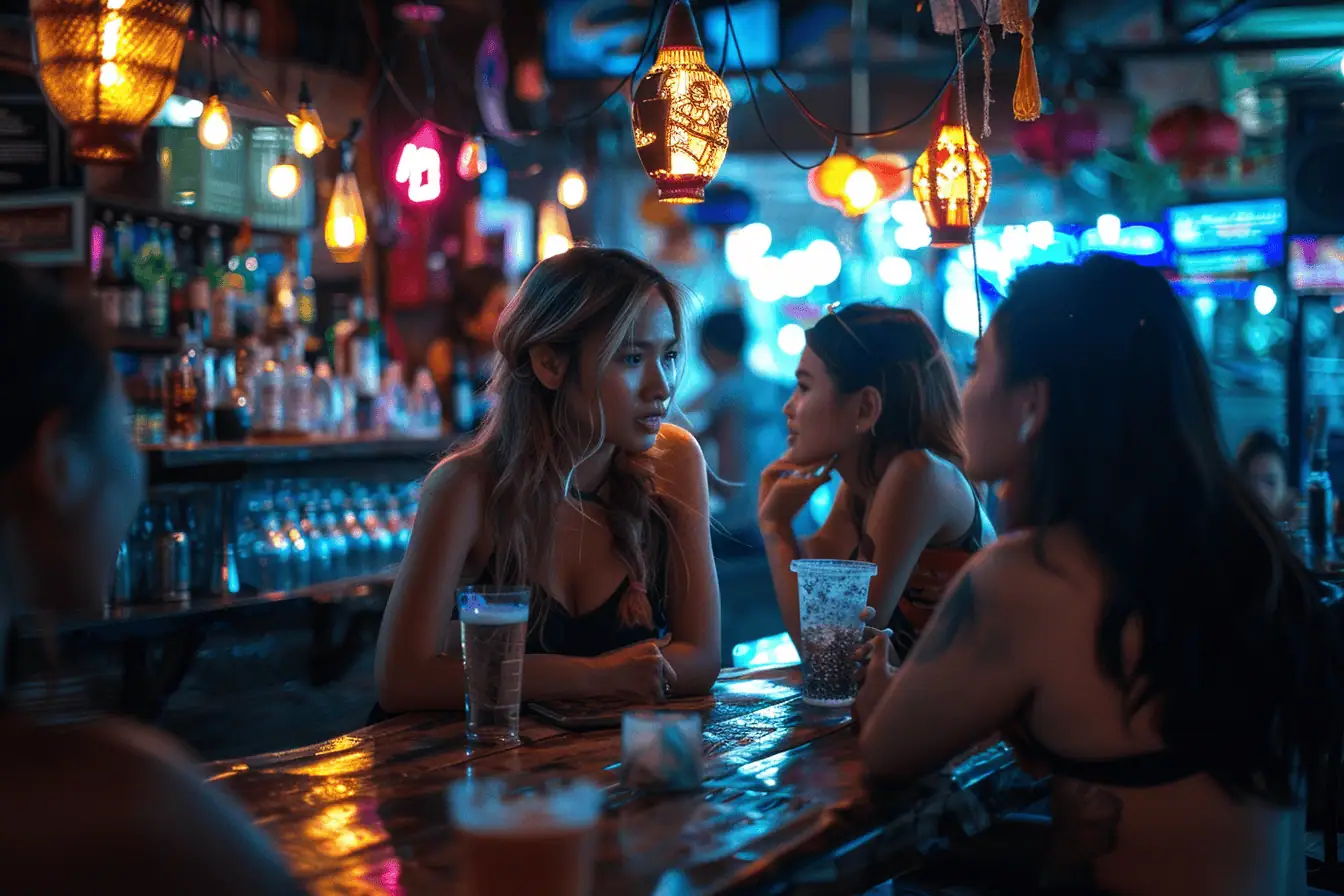
A large part of the story starts far from the tourist districts where outsiders first encounter it. Many women come from rural provinces where wages are low and opportunities are narrow. When you grow up in an area where agricultural income depends on unpredictable weather, where factory work is long hours for little pay, and where service jobs offer stability but rarely enough to support extended families, money becomes a constant pressure. It is not just about having extra cash. It is about repairing a roof before rainy season, paying for a parent’s medicine, clearing a debt that has been rolling forward for years, supporting younger siblings, or covering school costs for a child. In those circumstances, the attraction of nightlife money is not mystery or moral weakness. It is arithmetic. If a woman can earn in a night what would otherwise take a week or a month, the decision becomes less about dreams and more about survival and responsibility.
Family duty is one of the most misunderstood forces behind this life. In Thailand, caring for parents is not merely a nice gesture. It is part of social identity. Many adult children feel deep responsibility to send money home and to protect the family from instability. Daughters in particular often carry the heavier expectation that they will be the steady support, the reliable provider, the one who does not complain. A woman may be living in Bangkok, Pattaya, Phuket, or another city, but her heart and obligations may still be anchored in a village. She might send money every month and keep a strict budget so that parents can eat well, pay electricity, keep a motorbike running, and avoid borrowing from neighbors. That is why many women describe themselves not as party people, not as thrill seekers, but as workers with a mission. They are not trying to impress anyone. They are trying to hold a family together.

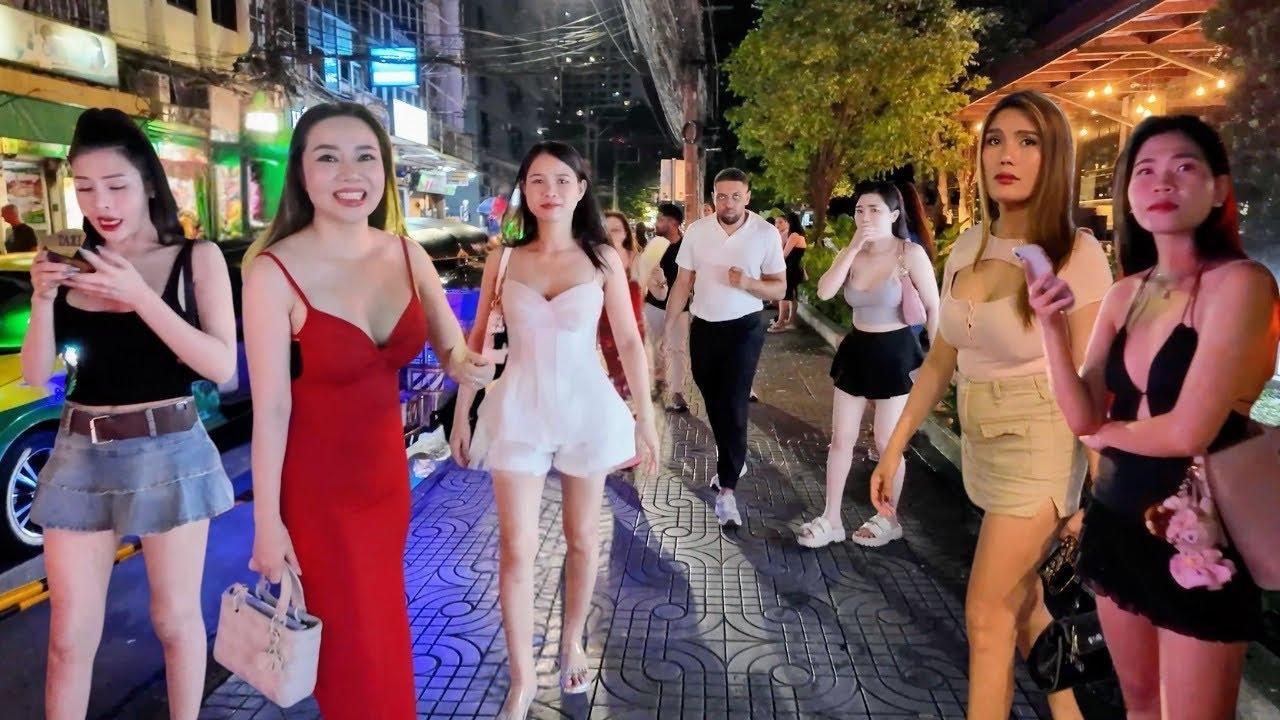
The cities where freelance work is visible have their own geography and logic. Tourist heavy zones create a perfect combination of anonymity and demand. Foreign visitors bring spending power, short stays, and less connection to local social networks, which lowers the risk of a woman being recognized by someone from her home community. That anonymity matters. Social stigma is real, and many women fear gossip reaching their parents, siblings, or children. In places like Bangkok, certain well known entertainment districts on Sukhumvit have become globally famous, and they concentrate nightlife because hotels, transport, bars, and late night venues sit close together. These areas are not just a collection of bars. They are mini economies where taxi drivers, street vendors, security staff, venue owners, and informal intermediaries all benefit from the flow of money. In Pattaya, the nightlife ecosystem is even more openly structured around tourism, with long established streets and venues that many visitors already know by name before they arrive. Phuket, particularly Patong, follows a strong seasonality. High season brings dense crowds and higher earnings. Low season brings uncertainty and forces many women to adjust their expectations, reduce spending, or move to another city temporarily. In Chiang Mai, the scene is quieter and more dispersed. The city’s mood is more conservative, and freelance connections often happen through private channels, regular social circles, and online communication rather than being displayed openly in the street.

There is also a parallel nightlife that tourists rarely see, and it matters because it breaks the myth that this world exists only for foreigners. Thai only venues can be significant, including karaoke lounges, hostess clubs, private rooms attached to restaurants, and local bars that cater primarily to Thai men and long term regulars. In these spaces, the dynamic can look different. It may be less direct, more wrapped in social ritual, more connected to repeated visits and longer arrangements. Some women prefer Thai only environments because they feel culturally easier, the language is natural, and the expectations are familiar. Others avoid them because the social control can be heavier and because intermediaries may play a larger role. Either way, it is important to understand that this is not a single market aimed at one nationality. It is a layered industry tied to broader patterns of urban income and male spending culture, both local and international.
In recent years, the digital layer has become impossible to ignore. Messaging apps and social media create a discreet channel where introductions can happen without a woman standing in a visible nightlife zone. Profiles and posts often use coded language, indirect signals, and carefully chosen photos. Some women use this to increase privacy and reduce stigma. Some use it to screen people more carefully. But online work can also increase vulnerability. Without the semi public environment of a venue, there may be fewer informal safeguards, fewer people around to notice danger, and more pressure to navigate risk alone. This is one reason many women develop strong routines, strict boundaries, and rules about where and when they will meet anyone. It is also one reason that emotional exhaustion can become intense over time.

The emotional reality of freelance life is often the most invisible part. Outsiders see a woman smiling, teasing, flirting, laughing. They assume she feels carefree. In truth, much of the work is emotional labor. A woman must present warmth and interest while remaining alert, cautious, and self protective. She has to read intentions quickly, manage conversations, defuse tension, and sometimes escape uncomfortable situations without provoking anger. Over time, many women learn to separate what they show from what they feel. This separation can be a survival tool, but it can also create loneliness. Some women describe it as living behind glass. You are present, you are charming, you are attentive, but you are not fully reachable.
Compartmentalization becomes a daily practice. One life belongs to the city, the late nights, the fast money, the temporary connections, the constant calculation of safety and income. Another life belongs to family, phone calls, responsibility, and the desire to appear normal. Many women live with the pressure of maintaining a clean image for the people they love, not because they are ashamed of themselves, but because they know how harsh society can be. Shame is often imposed from the outside. A woman may feel proud of providing for her parents, proud of paying off a debt, proud of supporting a child, yet still hide the source of her income because judgment would harm the very family she is trying to protect.

Agency is a complicated concept here, and it deserves careful handling. Some women do choose freelance work over other jobs because the income is higher and the schedule is more flexible. A factory job may demand long hours and give very little. A restaurant job may offer stability but keep a worker trapped in exhaustion with no realistic path to saving. Freelance work can feel like a way to compress time. Earn more now, finish a goal sooner, exit faster. For these women, the work is seen as temporary, a hard chapter with a clear purpose. But agency can shift. A woman who feels in control at the start may later discover that leaving is harder than expected, especially if family needs never end, if debts reappear, or if new responsibilities arrive. Time can stretch, and a temporary plan can become a lifestyle without anyone intending it.
Dreams are often practical and quietly held. Many women are saving toward something tangible. A small business, a beauty salon, a food stall, a coffee shop, a piece of land, a simple home for parents, education for a child, a motorbike, a chance to study, an escape from loan interest, a future where money is not a daily fear. These dreams are not always glamorous. They are rooted in dignity and stability. Some women speak about wanting a life that feels calm, where sleep is regular and the heart is not constantly on guard. That desire for calm is a dream in itself.

Relationships are another area where outsiders often project simplistic stories. Some women avoid emotional involvement as a rule, believing it is safer. Some hope for a stable partner, whether Thai or foreign, not as a rescue fantasy but as a normal human desire for companionship and security. Some enter long term arrangements that sit in a grey space between romance and transaction. Some have relationships outside the nightlife world, including partners who may or may not know the full story. Human lives rarely fit into clean boxes. The respectful approach is not to mock or romanticize, but to acknowledge that women make choices within a landscape of constraints, and that emotions do not obey the rules outsiders want to impose.
Now comes the part that must be said clearly, because ignoring it protects the wrong people. There is a bad side of organization behind women in some cases, and it can be serious. Not all women are independent. Some are connected to systems that profit from control. This control can be informal, hidden behind normal business language, or enforced through social pressure and economic dependence. Venue owners, managers, recruiters, intermediaries, and unofficial protectors can extract money through commissions and fees. Some impose fines for refusing clients, missing shifts, or breaking rules. Some encourage drinking to increase sales, even when it harms health and safety. Some create an illusion of choice while quietly limiting a woman’s ability to leave.
Debt can be a tool of control. A woman may borrow money to cover rent, help family, or manage an emergency, and the repayment terms can keep her tied to a venue or an intermediary. Room costs can be inflated. Transport can be controlled. Social pressure can be used to isolate women from support. In more severe cases, coercion crosses the line into exploitation. Young women, migrants, and those with unstable legal status can be particularly vulnerable, because fear of police, deportation, or public exposure makes it harder to seek help. The cruel paradox is that stigma does not protect society. It protects exploiters. When women are shamed into silence, abuse becomes easier.
This is why it is essential to distinguish between a woman and the system around her. Moral judgment is often aimed at the women, while the people who profit from pressure and control remain invisible. If society wants to reduce harm, the target must be exploitation, coercion, and the networks that monetize vulnerability. Blaming women for surviving does not fix the conditions that created the survival strategy in the first place.

Health is another layer that deserves more attention than it usually receives. The risks are not only physical. Stress, disrupted sleep, alcohol exposure, emotional exhaustion, and chronic anxiety can erode wellbeing. Access to healthcare may exist in big cities, but stigma can still keep women away from services they need. Mental health support is often limited, and many women carry trauma quietly without language or space to process it. Some develop strong coping strategies and supportive friendships. Others become isolated. The long term cost can be invisible until it becomes heavy.
It is also worth noting that the public image of nightlife often erases the reality that many women are exceptionally capable. They manage money carefully, negotiate complex social situations, speak multiple languages, support extended families, and plan long term goals. Some are excellent entrepreneurs in the making. Some already run side businesses. Some invest in training, beauty work, or skills to transition later. This competence is rarely recognized because society prefers simple stories. But competence exists, and it deserves respect.

What does respectful understanding look like in practice. It looks like speaking about these women as humans rather than as entertainment, cautionary tales, or stereotypes. It looks like recognizing that a woman can be both strong and tired, both practical and emotional, both independent and constrained. It looks like acknowledging that choice exists, but choice is shaped by opportunity, and opportunity is not evenly distributed. It looks like directing anger toward exploitation rather than toward women who are trying to keep families afloat.
Thailand is changing, like every society. Education expands, urban jobs evolve, digital work grows, and some women find more pathways than earlier generations had. But structural pressures remain. Rural inequality, debt cycles, limited social safety nets, and the heavy expectation of family support continue to push women toward income sources that society then judges them for. Until those foundations change, freelance work will continue to exist, because it answers a financial need that many other jobs do not.

When we speak about Thai freelance girls with respect, we do not need to pretend the work is easy or purely empowering. We also do not need to shame the women who do it. We can hold the full truth at the same time. Many women are making rational choices in difficult conditions. Some are navigating systems that limit them. Some are caught in exploitative structures that deserve condemnation. Most are carrying responsibilities that outsiders never see. And many are holding onto quiet dreams of a calmer life where they can breathe without calculating survival.
To see them fully is not to approve or disapprove. It is to recognize humanity where society prefers labels. It is to understand the life behind the visibility, the silence behind the smile, and the hope behind the hard choices.
หญิงฟรีแลนซ์ไทย: ชีวิตระหว่างความจำเป็น การเลือก และความหวังที่เงียบงัน
ประเทศไทยมักถูกเล่าให้โลกฟังผ่านภาพจำที่เข้าใจง่าย รอยยิ้ม ความเป็นมิตร อาหารอร่อย วัดสวย ทะเลใส และสีสันยามค่ำคืน แต่ชีวิตจริงไม่เคยเรียบง่าย และในย่านที่คนถ่ายรูปมากที่สุด กลับมีผู้หญิงจำนวนหนึ่งที่ถูกมองเห็นมาก แต่ถูกเข้าใจน้อยที่สุด หญิงฟรีแลนซ์ไทยถูกพูดถึงเสมอ ถูกตีความ ถูกตัดสิน ถูกล้อเลียน หรือถูกทำให้เป็นเพียงจินตนาการของคนอื่น หากเราจะพูดถึงเรื่องนี้อย่างรับผิดชอบและไม่ทำลายศักดิ์ศรีของผู้หญิงเหล่านี้ เราต้องเริ่มจากหลักการเดียว คืออย่าลดทอนมนุษย์ให้เหลือเพียงคำอธิบายเดียว อย่าทำให้ผู้หญิงคนหนึ่งกลายเป็นสัญลักษณ์ของอะไรทั้งนั้น ให้มองเธอเป็นคนคนหนึ่งที่กำลังใช้ชีวิตอยู่ในเศรษฐกิจ วัฒนธรรม และข้อจำกัดเฉพาะของเธอ
คำว่า ฟรีแลนซ์ ถูกใช้ในหลายความหมาย และความหมายนี้สำคัญมาก เพราะมันกำหนดวิธีที่สังคมมองผู้หญิง ในภาษาพูดทั่วไป ฟรีแลนซ์มักหมายถึงผู้หญิงที่ไม่ได้ผูกติดกับสถานที่เดียว และดูเหมือนทำงานอย่างอิสระ เลือกเวลาทำงานและเลือกคนที่จะพบ แต่ในความจริง ภาพนี้มีหลายระดับ บางคนอิสระจริง บางคนเคลื่อนที่ไปตามเครือข่าย บางคนถูกผูกไว้ด้วยค่าคอมมิชชั่น หนี้ หรือกฎที่ลดทอนเสรีภาพ บางคนเริ่มต้นด้วยความสมัครใจแล้วค่อย ๆ พบว่าการออกจากระบบนั้นยากขึ้นเรื่อย ๆ ป้ายชื่อเดียวกันถูกแปะให้กับสถานการณ์ที่ต่างกันมาก นี่คือเหตุผลที่การพูดคุยเรื่องนี้มักกลายเป็นความไม่ยุติธรรม เพราะเมื่อคนเหมารวมทุกคนเป็นแบบเดียวกัน ผู้หญิงที่มีอิสระก็ถูกตัดสินผิด และผู้หญิงที่ถูกเอาเปรียบก็ยิ่งถูกมองไม่เห็น
เรื่องราวจำนวนมากเริ่มต้นไกลจากย่านท่องเที่ยวที่คนนอกเห็นเป็นครั้งแรก ผู้หญิงจำนวนไม่น้อยมาจากต่างจังหวัดหรือพื้นที่ชนบทที่โอกาสน้อย ค่าแรงต่ำ รายได้ไม่แน่นอน รายได้จากเกษตรขึ้นอยู่กับฝนและหนี้ งานโรงงานทำงานหนักแต่ได้เงินน้อย งานบริการมีความมั่นคงกว่าแต่ไม่พอจะดูแลครอบครัวใหญ่ ในบริบทนี้ การเข้าสู่ชีวิตกลางคืนจึงไม่ใช่เรื่องลึกลับหรือความเสื่อมทางศีลธรรม แต่มักเป็นการคำนวณเพื่ออยู่รอด ไม่ใช่แค่ต้องการเงินเพิ่ม แต่ต้องซ่อมหลังคาก่อนหน้าฝน ต้องจ่ายค่ายาให้พ่อแม่ ต้องเคลียร์หนี้ที่สะสมมาหลายปี ต้องช่วยน้องเรียน ต้องส่งลูกเข้าโรงเรียน เมื่อผู้หญิงคนหนึ่งเห็นว่าเธอสามารถหาเงินในคืนเดียวเท่ากับรายได้หลายวันหรือหลายสัปดาห์ การตัดสินใจนั้นจึงกลายเป็นเรื่องของความรับผิดชอบมากกว่าความฝัน
แรงผลักดันที่ถูกเข้าใจผิดมากที่สุดคือภาระครอบครัว ในสังคมไทย การดูแลพ่อแม่ไม่ใช่แค่ความกตัญญูแบบสวยงาม แต่เป็นหน้าที่ที่ฝังอยู่ในตัวตน และระบบสวัสดิการที่คอยรองรับวัยชราก็ไม่ได้ครอบคลุมทุกคน ค่าใช้จ่ายเรื่องสุขภาพ ค่าไฟ ค่าอาหาร การซ่อมบ้าน และหนี้สิน มักตกอยู่กับลูก โดยเฉพาะลูกสาว ผู้หญิงจำนวนมากรู้สึกว่าตนเองต้องเป็นเสาหลัก ต้องเป็นคนส่งเงินกลับบ้านสม่ำเสมอ ต้องเป็นคนที่ไม่บ่น ไม่ล้มง่าย เธออาจอยู่ในกรุงเทพ พัทยา ภูเก็ต หรือเมืองอื่น แต่หัวใจและภาระยังผูกกับบ้านเกิด เธออาจส่งเงินกลับทุกเดือน วางแผนค่าใช้จ่ายอย่างเข้มงวด เพื่อให้พ่อแม่ไม่ต้องยืมคนอื่น เพื่อให้บ้านยังมีไฟใช้ มีอาหารกิน มียารักษา นี่คือเหตุผลที่ผู้หญิงจำนวนไม่น้อยมองตัวเองเป็นคนทำงาน ไม่ใช่คนเที่ยว ไม่ใช่คนแสวงหาความตื่นเต้น แต่เป็นผู้หาเลี้ยง
เมืองที่เห็นฟรีแลนซ์ได้ชัดมีภูมิศาสตร์ของมันเอง ย่านท่องเที่ยวสร้างเงื่อนไขที่เหมาะกับความไม่เปิดเผยตัวตนและมีความต้องการสูง นักท่องเที่ยวต่างชาติอยู่ระยะสั้น มีเงินใช้ และไม่มีความเชื่อมโยงกับเครือข่ายสังคมท้องถิ่นมากนัก ซึ่งลดความเสี่ยงที่ผู้หญิงจะถูกคนบ้านเดียวกันพบเห็น ความไม่เปิดเผยตัวตนนี้สำคัญ เพราะตราบาปทางสังคมยังหนัก ผู้หญิงจำนวนมากกลัวข่าวลือไปถึงพ่อแม่ พี่น้อง หรือแม้แต่ลูก ในกรุงเทพ ย่านบันเทิงบางส่วนของสุขุมวิทเป็นที่รู้จักในระดับโลก และมันรวมตัวของบาร์ โรงแรม การเดินทาง และสถานที่เปิดดึกไว้ใกล้กัน กลายเป็นเศรษฐกิจขนาดย่อมที่คนหลายกลุ่มได้ประโยชน์ ตั้งแต่คนขับรถ คนขายของ รปภ เจ้าของสถานที่ ไปจนถึงคนกลาง ในพัทยา ระบบนี้ยิ่งเปิดเผยและฝังลึกกับการท่องเที่ยวมานาน ภูเก็ตโดยเฉพาะป่าตองมีลักษณะตามฤดูกาล ช่วงไฮซีซันคนแน่น รายได้สูงขึ้น ช่วงโลว์ซีซันความไม่แน่นอนเพิ่มขึ้น ผู้หญิงจำนวนหนึ่งต้องปรับตัว ลดค่าใช้จ่าย หรือย้ายเมืองชั่วคราว ส่วนเชียงใหม่มีบรรยากาศที่เงียบกว่า กระจายกว่า และมีความเป็นส่วนตัวมากกว่า เพราะสังคมท้องถิ่นค่อนข้างอนุรักษ์นิยม ทำให้หลายอย่างเกิดขึ้นผ่านช่องทางส่วนตัวและออนไลน์มากกว่าการแสดงตัวในพื้นที่เปิด
นอกจากพื้นที่ท่องเที่ยว ยังมีโลกอีกด้านที่นักท่องเที่ยวแทบไม่เห็น และมันทำลายความเข้าใจผิดที่ว่าโลกนี้มีไว้เพื่อชาวต่างชาติเท่านั้น สถานที่ที่เน้นลูกค้าคนไทย เช่น คาราโอเกะ เลาจน์ โฮสเตสคลับ ห้องส่วนตัวตามร้านอาหาร หรือบาร์ท้องถิ่นที่มีลูกค้าประจำ มักดำเนินไปด้วยเครือข่ายและความคุ้นเคยมากกว่าการเปิดเผยแบบตรง ๆ ในพื้นที่เหล่านี้ ความสัมพันธ์บางแบบดูเหมือนนุ่มนวลกว่า ไม่พูดตรงมากนัก และมักเชื่อมโยงกับการมาใช้บริการซ้ำหรือการจัดรูปแบบความสัมพันธ์ระยะยาว ผู้หญิงบางคนชอบเพราะรู้สึกคุ้นวัฒนธรรม ภาษา และกติกา บางคนไม่ชอบเพราะความควบคุมทางสังคมแน่นกว่า และการมีคนกลางอาจมากกว่า ไม่ว่าจะแบบไหน สิ่งสำคัญคือมันไม่ใช่ตลาดแบบเดียว ไม่ได้มุ่งไปที่สัญชาติใดสัญชาติหนึ่ง แต่มันเป็นระบบหลายชั้นที่เชื่อมกับการใช้จ่ายของผู้ชายทั้งไทยและต่างชาติในเมืองใหญ่
ชั้นดิจิทัลคือสิ่งที่เปลี่ยนเกมอย่างชัดเจน แอปแชทและโซเชียลทำให้การรู้จักกันเกิดขึ้นได้โดยไม่ต้องยืนอยู่ในพื้นที่ที่คนเห็น ผู้หญิงบางคนใช้เพื่อความเป็นส่วนตัว ลดความเสี่ยงของการถูกจำได้ หรือเพื่อคัดกรองคนให้มากขึ้น แต่การทำงานผ่านออนไลน์ก็เพิ่มความเปราะบางเช่นกัน เพราะขาดสภาพแวดล้อมกึ่งสาธารณะที่อย่างน้อยก็มีคนอื่นอยู่ใกล้ ไม่มีใครเห็นสัญญาณอันตรายง่าย ๆ และความกดดันในการรับมือทุกอย่างคนเดียวอาจหนักขึ้น นี่เป็นเหตุผลว่าทำไมผู้หญิงจำนวนมากต้องสร้างกติกาชีวิตของตัวเองอย่างเข้มงวด ตั้งแต่เวลา สถานที่ ความปลอดภัย ไปจนถึงการตั้งขอบเขตในบทสนทนา
ความจริงด้านอารมณ์มักเป็นส่วนที่มองไม่เห็นที่สุด คนนอกเห็นรอยยิ้ม เห็นการหยอกล้อ เห็นความเป็นกันเอง แล้วคิดว่าเธอสบายใจ แต่จริง ๆ แล้วแรงงานจำนวนมากคือแรงงานทางอารมณ์ ผู้หญิงต้องแสดงความอบอุ่นและความสนใจ ขณะเดียวกันต้องระวังตัว อ่านสถานการณ์ คุมเกมสนทนา ลดความตึงเครียด และบางครั้งต้องถอยออกจากสถานการณ์ที่ไม่ปลอดภัยโดยไม่ทำให้เกิดความโกรธ เมื่อเวลาผ่านไป ผู้หญิงจำนวนมากเรียนรู้ที่จะแยกสิ่งที่แสดงออกจากสิ่งที่รู้สึก การแยกนี้ช่วยให้รอด แต่ก็ทำให้เกิดความโดดเดี่ยวได้ บางคนอธิบายเหมือนอยู่หลังผนังกระจก คุณอยู่ตรงนั้น คุณพูดดี คุณดูใกล้ชิด แต่ไม่มีใครเข้าถึงตัวตนข้างในได้ง่าย
การแบ่งชีวิตเป็นสองโลกกลายเป็นเรื่องปกติ โลกหนึ่งคือเมือง กลางคืน เงินเร็ว ความสัมพันธ์ชั่วคราว และการคำนวณความปลอดภัยกับรายได้อีกโลกหนึ่งคือครอบครัว โทรศัพท์ ความรับผิดชอบ และความพยายามจะดูปกติ ผู้หญิงจำนวนมากไม่อยากให้คนที่รักเจ็บปวดจากคำตัดสินของสังคม ความอายจำนวนมากไม่ได้เกิดจากตัวผู้หญิงเอง แต่มาจากสายตาคนอื่น ผู้หญิงอาจภูมิใจที่ดูแลพ่อแม่ ภูมิใจที่จ่ายหนี้ได้ ภูมิใจที่ส่งลูกเรียน แต่ยังต้องปิดบังเพราะรู้ว่าสังคมจะทำร้ายครอบครัวเธออย่างไร
คำว่า การเลือก หรือ agency ในเรื่องนี้เป็นสิ่งที่ซับซ้อนและต้องพูดอย่างระมัดระวัง ผู้หญิงบางคนเลือกงานนี้เพราะรายได้สูงกว่าและเวลายืดหยุ่นกว่า งานโรงงานอาจทำให้หมดแรงทั้งวันทั้งคืนแต่ยังไม่สามารถเก็บเงินได้ งานร้านอาหารอาจมั่นคงแต่ติดอยู่กับความเหนื่อยล้าและไม่มีทางออก งานฟรีแลนซ์อาจเหมือนการบีบเวลาให้สั้นลง หาเงินได้มากขึ้นตอนนี้ เพื่อไปให้ถึงเป้าหมายเร็วขึ้น แล้วออกให้เร็วขึ้น สำหรับผู้หญิงกลุ่มนี้ งานนี้ถูกมองเป็นช่วงเวลาชั่วคราว บทที่หนักแต่มีเหตุผล แต่การเลือกสามารถเปลี่ยนรูปได้ ผู้หญิงที่รู้สึกคุมเกมได้ในวันแรก อาจพบว่าออกจากวงจรยากขึ้นเมื่อภาระครอบครัวไม่จบ หนี้กลับมา หรือความรับผิดชอบใหม่เกิดขึ้น แผนชั่วคราวอาจยืดเยื้อโดยไม่มีใครตั้งใจ
ความฝันของผู้หญิงจำนวนมากเป็นความฝันที่เรียบง่ายและจับต้องได้ ร้านเล็ก ๆ ร้านเสริมสวย ร้านอาหาร แผงขายของ ร้านกาแฟ ที่ดิน บ้านให้พ่อแม่ การศึกษาของลูก รถมอเตอร์ไซค์ การได้เรียนต่อ หรือแค่การหลุดจากดอกเบี้ยเงินกู้ บางคนฝันถึงชีวิตที่สงบ นอนเป็นเวลา ไม่ต้องระแวง ไม่ต้องคำนวณทุกคืน ความสงบแบบนั้นสำหรับบางคนคือความฝันที่สุด
เรื่องความสัมพันธ์ก็เป็นอีกจุดที่คนนอกมักชอบเอาเรื่องง่าย ๆ ไปปะใส่ บางคนตั้งกฎว่าจะไม่ผูกพันเพราะมันอันตราย บางคนหวังถึงคู่ชีวิตที่มั่นคงไม่ว่าจะไทยหรือต่างชาติ ไม่ใช่เพราะอยากให้ใครมาช่วยชีวิต แต่เพราะมนุษย์ทุกคนต้องการความรัก ความปลอดภัย และการยอมรับ บางคนอยู่ในความสัมพันธ์ระยะยาวที่อยู่ในพื้นที่สีเทาระหว่างความรู้สึกกับความเป็นข้อตกลง บางคนมีคนรักนอกวงการที่อาจรู้หรือไม่รู้เรื่องทั้งหมด ชีวิตมนุษย์ไม่เข้ากรอบสะอาด ๆ ได้ง่าย การมองอย่างเคารพคือไม่เยาะเย้ยและไม่โรแมนติกเกินจริง แต่ยอมรับว่าผู้หญิงกำลังตัดสินใจในภูมิประเทศที่มีข้อจำกัด และอารมณ์ไม่ได้เชื่อฟังความคาดหวังของคนนอก
ส่วนที่ต้องพูดให้ชัดเจน เพราะการไม่พูดจะปกป้องคนผิด คือในบางกรณีมีด้านมืดของการจัดการและองค์กรเบื้องหลัง และมันร้ายแรงได้ ไม่ใช่ผู้หญิงทุกคนอิสระ บางคนอยู่ในระบบที่ทำกำไรจากการควบคุม การควบคุมนี้อาจซ่อนอยู่หลังคำสวย ๆ หรือธุรกิจปกติ แต่ถูกบังคับผ่านแรงกดดันทางเศรษฐกิจและสังคม เจ้าของสถานที่ ผู้จัดการ คนรับงาน คนชักชวน หรือผู้มีอิทธิพลแบบไม่เป็นทางการอาจเรียกค่าคอมมิชชั่นและค่าธรรมเนียม บางที่มีค่าปรับเมื่อปฏิเสธลูกค้า ขาดงาน หรือทำผิดกฎ บางที่สนับสนุนให้ดื่มเพื่อเพิ่มยอดขายแม้จะทำลายสุขภาพและความปลอดภัย บางระบบสร้างภาพเหมือนมีอิสระ แต่จริง ๆ แล้วจำกัดทางออก
หนี้เป็นเครื่องมือควบคุมที่พบได้ ผู้หญิงอาจกู้เงินเพื่อจ่ายค่าเช่า ช่วยครอบครัว หรือแก้เหตุฉุกเฉิน แล้วเงื่อนไขการชำระอาจทำให้ต้องผูกติดกับสถานที่หรือคนกลาง ค่าเช่าห้องอาจสูงเกินจริง การเดินทางอาจถูกควบคุม การโดดเดี่ยวจากเพื่อนหรือความช่วยเหลืออาจเกิดขึ้นอย่างเงียบ ๆ ในกรณีที่หนักกว่านั้น ความสมัครใจอาจกลายเป็นการถูกบังคับอย่างแท้จริง ผู้หญิงอายุน้อย ผู้ย้ายถิ่น หรือคนที่สถานะเอกสารไม่มั่นคงมีความเสี่ยงสูง เพราะความกลัวตำรวจ การถูกส่งกลับ หรือการถูกประจานทำให้ขอความช่วยเหลือยาก สิ่งที่โหดร้ายคือการตีตราไม่ได้ปกป้องสังคม มันปกป้องผู้เอาเปรียบ เพราะเมื่อผู้หญิงถูกทำให้อายจนเงียบ ความรุนแรงก็ทำงานง่ายขึ้น
นี่จึงเป็นเหตุผลว่าทำไมเราต้องแยกผู้หญิงออกจากระบบรอบตัว การตัดสินทางศีลธรรมมักพุ่งไปที่ผู้หญิง ขณะที่คนที่ทำกำไรจากแรงกดดันและการควบคุมกลับล่องหน ถ้าสังคมอยากลดอันตราย เป้าหมายต้องเป็นการเอาเปรียบ การบังคับ และเครือข่ายที่ทำเงินจากความเปราะบาง ไม่ใช่การโทษผู้หญิงที่พยายามพยุงครอบครัวให้รอด
สุขภาพเป็นอีกชั้นที่ควรได้รับความสนใจมากกว่าที่เป็นอยู่ ความเสี่ยงไม่ได้มีแค่ทางกาย แต่รวมถึงความเครียด การนอนผิดเวลา การสัมผัสแอลกอฮอล์ ความเหนื่อยล้าทางอารมณ์ และความกังวลสะสมที่กัดกินใจ การเข้าถึงบริการสุขภาพในเมืองใหญ่มีอยู่ แต่ตราบาปอาจทำให้ผู้หญิงไม่กล้าไปใช้บริการ สุขภาพจิตยังมีช่องว่าง และผู้หญิงจำนวนมากแบกบาดแผลไว้เงียบ ๆ โดยไม่มีพื้นที่หรือภาษาในการเยียวยา บางคนมีเพื่อนที่ช่วยกันประคอง บางคนโดดเดี่ยว และต้นทุนระยะยาวอาจค่อย ๆ หนักขึ้นโดยไม่มีใครสังเกต
ในอีกด้านหนึ่ง ภาพจำของชีวิตกลางคืนมักลบความจริงที่ว่าผู้หญิงจำนวนมากมีความสามารถสูง พวกเธอบริหารเงินเป็น ต่อรองเก่ง อ่านคนเป็น พูดได้หลายภาษา ดูแลครอบครัวใหญ่ วางแผนเป้าหมายระยะยาว บางคนมีความเป็นผู้ประกอบการอย่างชัดเจน บางคนทำธุรกิจเล็ก ๆ ควบคู่ บางคนลงทุนในทักษะเพื่อเปลี่ยนเส้นทางในอนาคต ความเก่งเหล่านี้ไม่ค่อยถูกยอมรับเพราะสังคมชอบเรื่องเล่าแบบง่าย แต่ความเก่งมีอยู่จริง และควรถูกมองด้วยความเคารพ
การเข้าใจอย่างเคารพในทางปฏิบัติคืออะไร คือการพูดถึงผู้หญิงเหล่านี้ในฐานะมนุษย์ ไม่ใช่วัตถุความบันเทิง ไม่ใช่เรื่องตลก ไม่ใช่คำเตือนแบบหยาบ ๆ และไม่ใช่ภาพโรแมนติกเกินจริง คือการยอมรับว่าผู้หญิงคนหนึ่งอาจทั้งเข้มแข็งและเหนื่อยล้า อาจทั้งมีเหตุผลและมีความรู้สึก อาจทั้งอิสระและถูกจำกัด คือการยอมรับว่าการเลือกมีอยู่ แต่การเลือกถูกหล่อรูปด้วยโอกาส และโอกาสไม่ได้เท่ากัน คือการส่งความโกรธไปยังการเอาเปรียบ ไม่ใช่ไปยังผู้หญิงที่พยายามทำให้ครอบครัวมีชีวิตที่ดีขึ้น
ประเทศไทยกำลังเปลี่ยนไป การศึกษาเปิดกว้างขึ้น งานเมืองพัฒนาขึ้น งานออนไลน์มากขึ้น ผู้หญิงบางคนมีทางเลือกมากกว่ารุ่นก่อน แต่แรงกดดันเชิงโครงสร้างยังอยู่ ความเหลื่อมล้ำชนบท วงจรหนี้ ระบบคุ้มครองทางสังคมที่ยังไม่ครอบคลุม และความคาดหวังหนักหน่วงเรื่องการดูแลครอบครัว ยังคงผลักผู้หญิงจำนวนหนึ่งไปสู่รายได้ที่สังคมกลับตัดสินพวกเธอเอง จนกว่าโครงสร้างพื้นฐานเหล่านี้จะดีขึ้น ฟรีแลนซ์จะยังคงมีอยู่ เพราะมันตอบโจทย์ทางการเงินที่งานจำนวนมากยังตอบไม่ได้
การมองเห็นผู้หญิงเหล่านี้อย่างเต็มคน ไม่ใช่การเห็นด้วยหรือไม่เห็นด้วย แต่คือการยอมรับความเป็นมนุษย์ในที่ที่สังคมชอบใช้ป้ายชื่อ คือการเข้าใจชีวิตที่อยู่หลังความโดดเด่น ความเงียบที่อยู่หลังรอยยิ้ม และความหวังที่อยู่หลังการตัดสินใจที่หนักหน่วง และเมื่อเราเริ่มจากความเคารพ เราจะพูดเรื่องนี้ได้โดยไม่ทำร้ายใคร และโดยไม่ปกป้องคนที่ควรถูกตรวจสอบจริง ๆ
#Thailand #ThaiWomen #HumanStories #SocialReality #LifeInThailand #Respect #Understanding #WomenInEconomy #DignityMatters #BeyondStereotypes
Categories: Thailand Society, Human Stories, Culture


หมวดหมู่
- Art
- Business & Work
- Cost of Living
- Crafts
- Culture & Traditions
- Digital Life
- Expat Life
- Farmer Life
- Festivals & Events
- Finance & Banking
- Food & Drink
- Health & Wellness
- Hidden Gems
- History & Heritage
- ภาษา
- Literature
- Nature & Adventure
- Networking
- Nightlife & Entertainment
- Real Estate
- Religion
- School & Education
- Shopping & Markets
- Social Life
- Sports
- Theater & Shows
- Transport
- Travel
- Visas & Immigration
- อื่นๆ
อ่านเพิ่มเติม
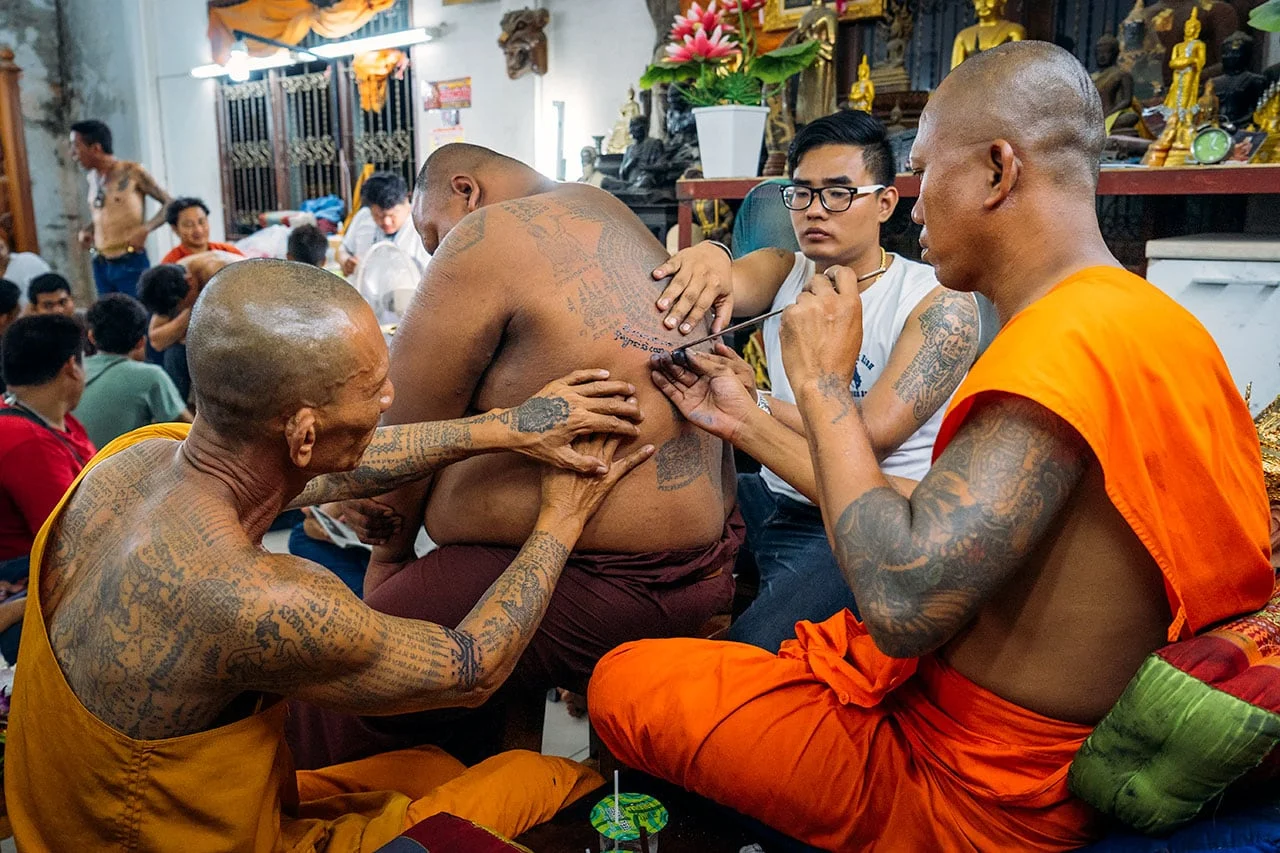
The Old Tattoo Masters Who Practice Non Commercial Sak Yant Sacred Traditions Tourists Rarely Witness Thailand is famous worldwide for sak yant tattoos. Images of celebrities getting intricate designs from monks or ajarns appear everywhere online. Tourists travel to temples hoping to receive a spiritual blessing tattoo. Studios in Bangkok and Chiang Mai offer sak yant in hygienic and modern...
Chiang Mai, Nestled in the mountainous landscapes of Northern Thailand, Chiang Mai is a city that breathes culture at every corner. From its ancient temples to vibrant festivals, the cultural richness of Chiang Mai is a tapestry woven with threads of tradition, spirituality, and modern influences. In this exploration, we embark on a journey through the diverse facets of Chiang Mai's culture,...
SUKHOTHAI: Thailand's First Kingdom of Balance and Beauty Sukhothai is not a place that tries to impress you. It does not shout its importance, nor does it dress itself up for modern expectations. Instead, it remains calm, grounded, and quietly confident, like someone who knows exactly who they are and no longer feels the need to prove it. To understand Sukhothai is to understand the emotional...

Thai Hi-So Society: Inside Thailand’s Elite World of Wealth, Status, and Influence In Thailand, the term “Hi-So” is more than just slang. It is a cultural label, a social marker, and in many ways a lifestyle identity that separates the visible elite from the rest of society. Derived from the English phrase “high society,” Hi-So refers to individuals who belong to...

Thailand Entry Rules Explained ClearlyThe Real Story Behind Air Entries, Land Borders, Myths, Facebook Panic, and What Thai Immigration Actually Confirms Updated 19 December 2025 There is something special about Thailand. People come for a holiday and somehow end up returning again and again. The beaches pull you back. The food brings you back. The lifestyle brings you back. Before long,...